Iran's Oil Smuggling to China Taps Crypto Amid Sanctions
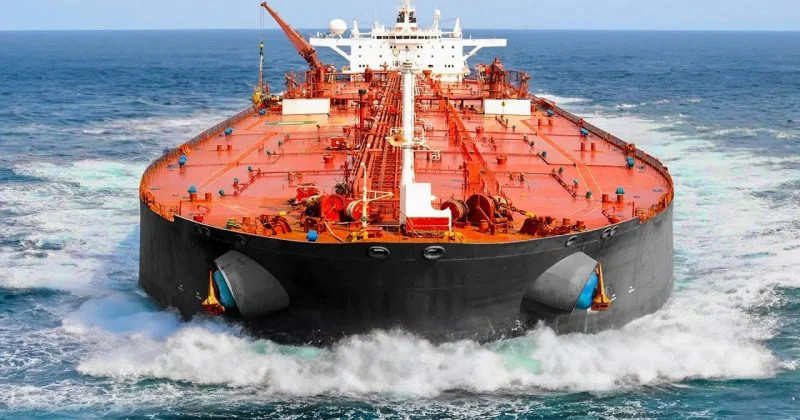
Iran has successfully smuggled approximately $6 billion worth of oil to China during a brief ceasefire, leveraging cryptocurrency to navigate sanctions. This trade is primarily conducted with independent Chinese refiners, known as "teapot" refineries, which purchase sanctioned crude at significant discounts. The logistics of this operation rely on a shadow fleet of tankers that utilize ship-to-ship transfers, obscuring the oil's origin and complicating tracking efforts for sanctions enforcers.
In the past year, crypto trading associated with Iranian entities has surged to $7.8 billion, facilitating payments for various expenses, including maritime passage fees and direct oil transactions. The U.S. government has taken action by sanctioning crypto platforms Zedcex and Zedxion, which are alleged to have ties to Iran's Islamic Revolutionary Guard Corps. Another platform, Nobitex, has also come under scrutiny for its connections to Iranian crypto activities.
The Strait of Hormuz, a critical maritime route, carries about 20% of the world's oil supply. The volatility of Bitcoin and other cryptocurrencies has been notable in response to geopolitical developments in this region. The ability of a heavily sanctioned nation like Iran to generate substantial crypto activity raises significant questions about the effectiveness of current enforcement measures. The recent sanctions on Zedcex and Zedxion indicate that U.S. regulators are increasingly viewing crypto-enabled sanctions evasion as a pressing national security concern rather than just a financial crime issue.