China Condemns Trump for Releasing Election Documents
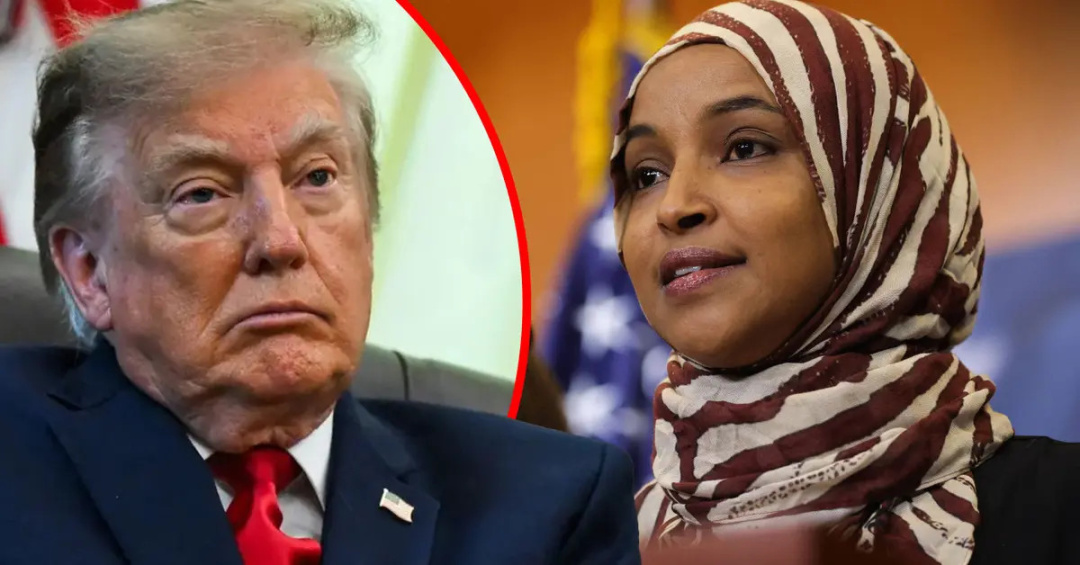
The Chinese Foreign Ministry expressed strong condemnation of President Donald Trump on Friday, demanding that the U.S. government cease its accusations against China following the release of declassified intelligence documents. These documents, made public by Trump during a nationally televised address, allege that China attempted to manipulate the outcome of the 2020 presidential election by leveraging various domestic and foreign elements opposed to Trump.
The documents, now accessible on the White House website, include assessments from intelligence officials who claim that the Chinese government sought to undermine Trump’s re-election efforts. They also suggest that the Chinese Communist Party had acquired extensive voter intelligence files, potentially affecting around 220 million Americans. However, the documents do not provide evidence that China actively swayed the election results.
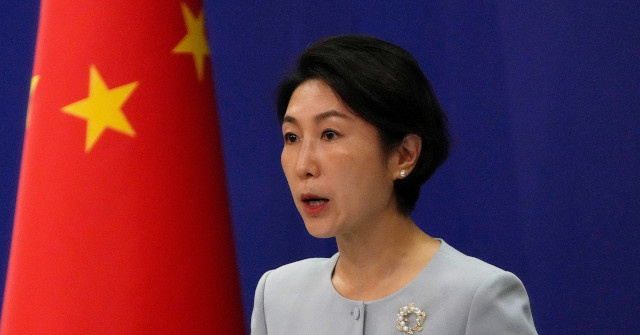
In response to Trump's claims, Foreign Ministry spokesman Lin Jian labeled the allegations as “false” and a serious smear against China. He reiterated that China adheres to a policy of non-interference in other countries' internal affairs, stating, “We never interfere in U.S. elections and have zero interest in that.” Lin further accused the United States of engaging in widespread surveillance and interference in other nations’ matters, urging Washington to reconsider its actions.
Lin's comments were more pointed than the initial response from the Chinese embassy in Washington, which emphasized China's non-interference principle and described the U.S. election as an internal matter. The embassy's statement asserted that the outcome of the election is determined solely by American voters.
To mitigate the impact of Trump's speech, Chinese state-controlled social media platforms reflected sentiments of skepticism and mockery towards the allegations. Posts on Weibo, a major micro-blogging site, included accusations that Trump was scapegoating China and highlighted the notion that the U.S. is experiencing internal chaos, contrasting it with the stability of the Chinese regime.
During his address, Trump warned of vulnerabilities in the American election system and accused “deep state” actors of downplaying these threats. He specifically pointed to the Chinese Communist Party's efforts to sabotage his election prospects, claiming that CIA documents indicated a strategy to reduce his votes and facilitate his resignation or defeat.
The documents released by Trump also included a CIA assessment from mid-2018, which purportedly outlined the Chinese Communist Party's policy to leverage opposition against Trump. Additionally, they alleged that China compromised voter data in 18 states, leading to what Trump described as “the largest compromise of election data in history.”
As the situation unfolds, the planned visit of Chinese leader Xi Jinping to the United States in September looms, raising questions about the potential ramifications of this diplomatic spat on U.S.-China relations.