Rubio's Antifa Summit Highlights Shift in US National Security Policy
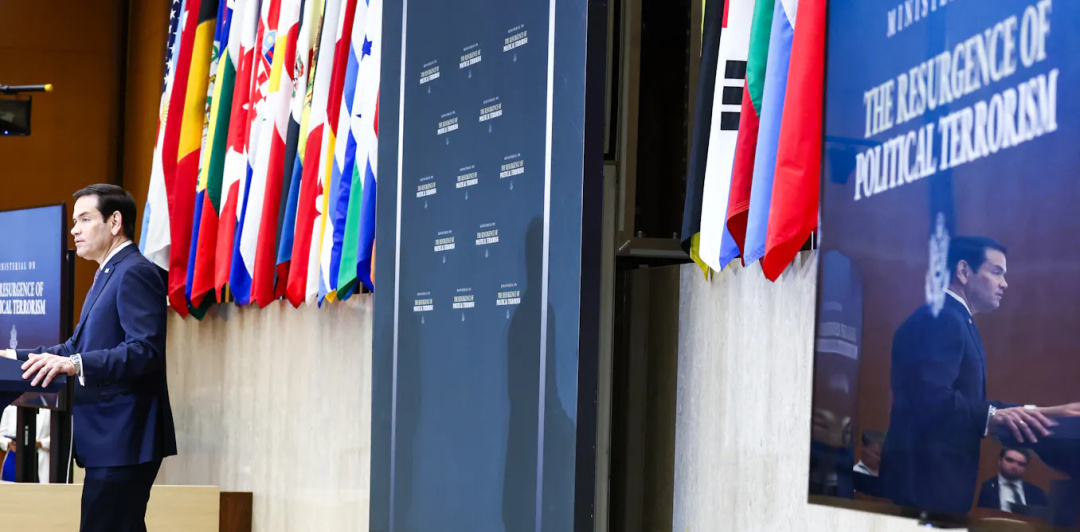
A recent national security directive has become the foundation for a surge in terrorism prosecutions against left-wing activists in the United States. On July 16, 2026, Secretary of State Marco Rubio convened an international summit in Washington, informally referred to as the 'Antifa summit,' which brought together representatives from over 65 countries. During the summit, Rubio characterized antifa-aligned networks as having cross-border connections and accused nations like Iran and Cuba of financially supporting these movements, although he did not provide evidence to substantiate these claims. The White House announced that this summit marked the beginning of an 'unprecedented global offensive' against what it terms 'radical left terrorism.' This initiative is rooted in the National Security Presidential Memorandum/NSPM-7, issued on September 25, 2025, which for the first time authorized preemptive law enforcement measures against individuals based on their political or ideological beliefs rather than any intent to commit violence.
Since the issuance of NSPM-7, the Justice Department has established task forces staffed with counterterrorism prosecutors, and the FBI has created a mission center to oversee investigations into left-wing movements. This has led to the conviction of several activists, with some receiving lengthy prison sentences. NSPM-7, a presidential memorandum rather than a law passed by Congress, allows the president to direct law enforcement agencies with minimal congressional oversight. It identifies certain ideological beliefs, such as anti-Christianity and anti-capitalism, as potential indicators of domestic terrorism.
The memorandum empowers multiagency task forces to investigate groups and individuals before they engage in violent acts, marking a significant shift in U.S. counterterrorism policy. Previous administrations primarily focused on foreign threats, but NSPM-7 emphasizes the policing of ideological beliefs. Critics, including members of Congress and civil liberties organizations, have raised alarms about the potential for this directive to infringe upon First Amendment rights. They argue that it risks criminalizing individuals based on their beliefs rather than their actions.
Despite the rise in left-wing violence over the past decade, data indicates that it remains significantly lower than right-wing or jihadist violence. NSPM-7's focus on left-wing ideologies has led to concerns about the chilling effect on free speech and political dissent. The directive has prompted fears that individuals and organizations may self-censor to avoid scrutiny or prosecution. As the legal landscape evolves, the implications of NSPM-7 continue to unfold, raising critical questions about the balance between national security and civil liberties in the United States.