China Rejects Trump’s Claims of Election Interference as Fabricated
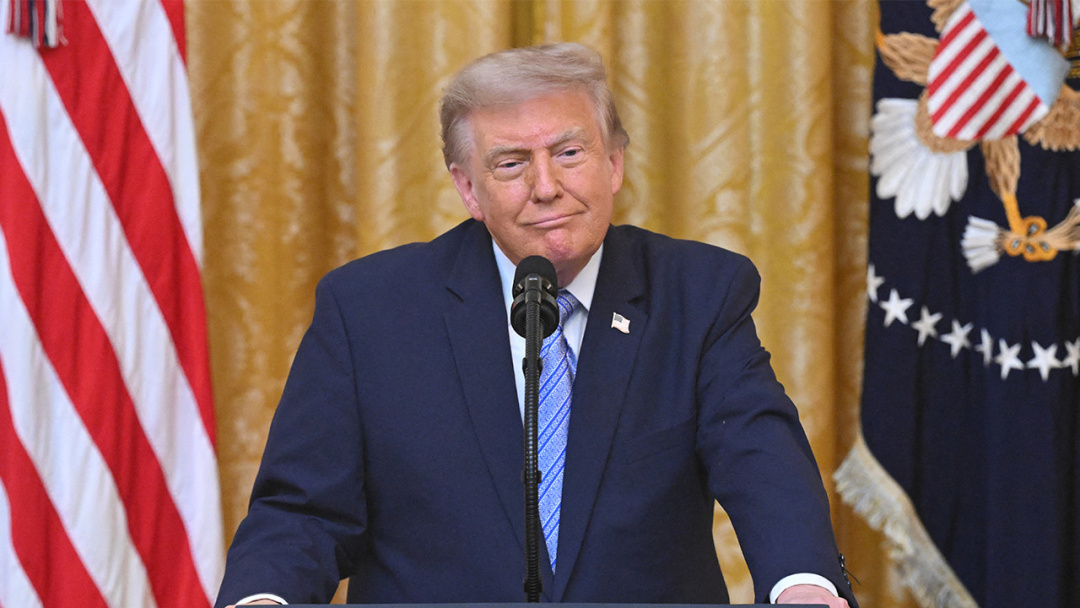
China has firmly rejected President Donald Trump's allegations that it sought to influence the outcome of the 2020 U.S. presidential election, labeling the claims as 'entirely fabricated.' In a primetime address, Trump asserted that intelligence reports indicated that China was working to sway the results of both the 2018 midterm elections and the 2020 presidential election. He referenced newly released documents that he claimed showed the Chinese Communist Party aimed to leverage various domestic and foreign elements to undermine his presidency.
Trump accused U.S. intelligence officials of operating a 'shadow government' by concealing evidence of China's alleged election interference. He stated that significant intelligence was withheld from his presidential briefings, citing an email from a National Security Agency analyst that suggested information was deliberately altered to avoid linking it to the election.
In response, China's Foreign Ministry spokesperson Lin Jian emphasized that the allegations were unfounded and aimed at vilifying China. He reiterated that Beijing has no interest in meddling in U.S. elections and called for the U.S. to cease politicizing the issue. When asked about the potential impact on an upcoming visit by Chinese President Xi Jinping to the U.S., Lin urged the U.S. to focus on improving China-U.S. relations.
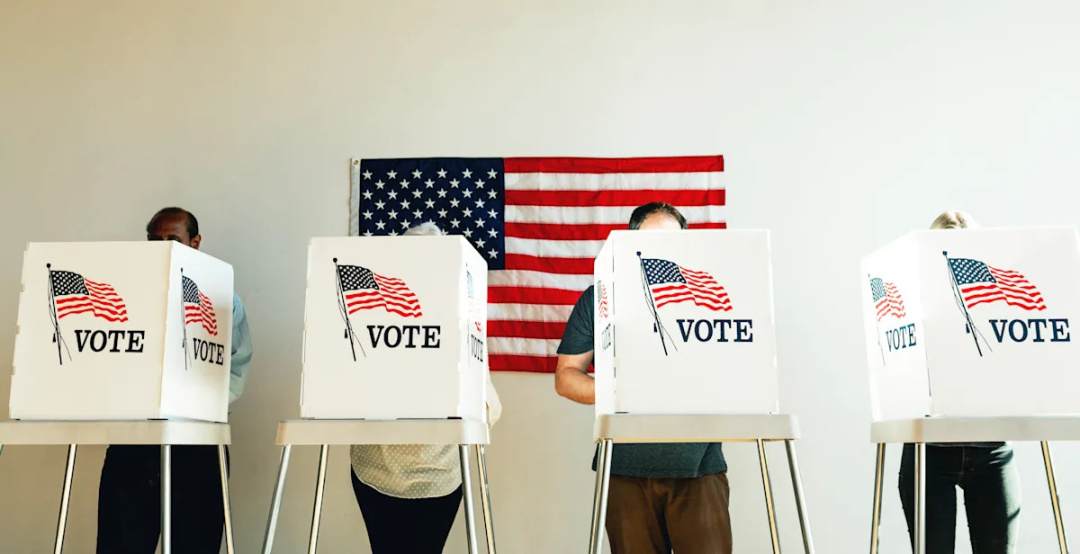
Trump did not assert that China changed votes or altered election results but claimed that it engaged in a campaign to influence public perception in the U.S. He used the allegations to advocate for the SAVE America Act, which aims to strengthen federal election rules ahead of the midterms. The act passed the House but stalled in the Senate earlier this year.
Additionally, the Trump administration announced a significant reduction in visa durations for foreign journalists, particularly cutting the length for Chinese journalists to just 90 days. China's Foreign Ministry criticized this move as discriminatory and stated that it would impact the operations of Chinese media in the U.S. Lin Jian indicated that China would consider reciprocal measures in response to these policy changes.