IDF Overhauls Military Intelligence Following October 7 Attack
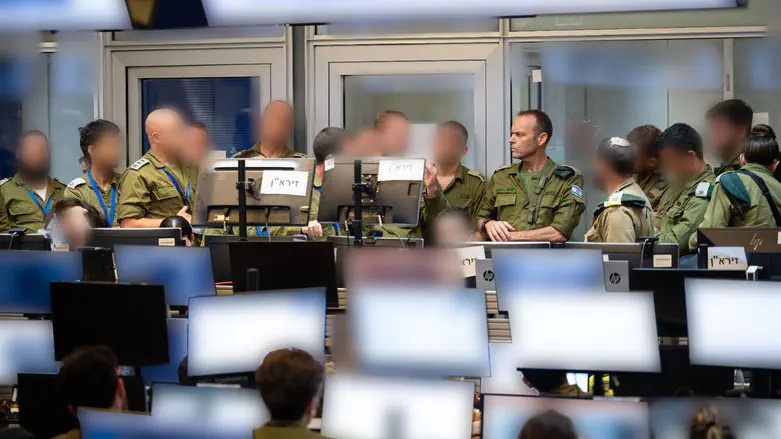
In the wake of the October 7 attack, the Israel Defense Forces (IDF) has initiated a comprehensive reform of its Military Intelligence Directorate (AMAN). This overhaul includes a significant increase in the number of intelligence officers at the battalion level, the establishment of forward intelligence units, and a focus on reducing the time required to engage targets. These changes are part of a broader transformation in the IDF's operational doctrine, particularly in military intelligence operations.
The reform is spearheaded by AMAN's Field Intelligence Department, which is tasked with enhancing the IDF's tactical intelligence capabilities for both wartime and routine operations. A key element of this reform is the creation of forward intelligence centers that are embedded with maneuvering forces, providing these units with real-time, continuously updated intelligence.
To realize this new vision, the IDF has undertaken a significant restructuring of its personnel. The number of intelligence officers assigned to each battalion has been doubled, and maneuvering brigades are now supported by dedicated intelligence specialists across various domains, including human intelligence (HUMINT), visual intelligence (VISINT), signals intelligence (SIGINT), and open-source intelligence (OSINT).
However, the influx of information to frontline units has raised concerns about information overload. The new system is designed to ensure that intelligence is processed and analyzed before reaching commanders, allowing for swift decision-making without inundating them with unfiltered data.
Additionally, the IDF is introducing advanced technological systems that will significantly shorten the time between target identification and engagement, a critical capability in modern warfare. The integration of AMAN with combat teams has already shown improvements in the effectiveness of proactive offensive operations.
Despite these advancements, Military Intelligence officials recognize that the true test of these reforms will come when the IDF faces unexpected challenges. They emphasize that technological upgrades alone will not suffice; a fundamental shift in mindset is necessary. The primary goal is to overcome the institutional overconfidence that previously led senior intelligence officials to overlook or dismiss clear warnings from field personnel, including junior intelligence officers and surveillance soldiers.
The ongoing changes within AMAN highlight the importance of humility, skepticism, and a willingness to listen to all ranks, especially those who may challenge established assumptions. This approach is deemed essential for preventing future intelligence failures and ensuring that the IDF is better prepared for any strategic surprises that may arise.