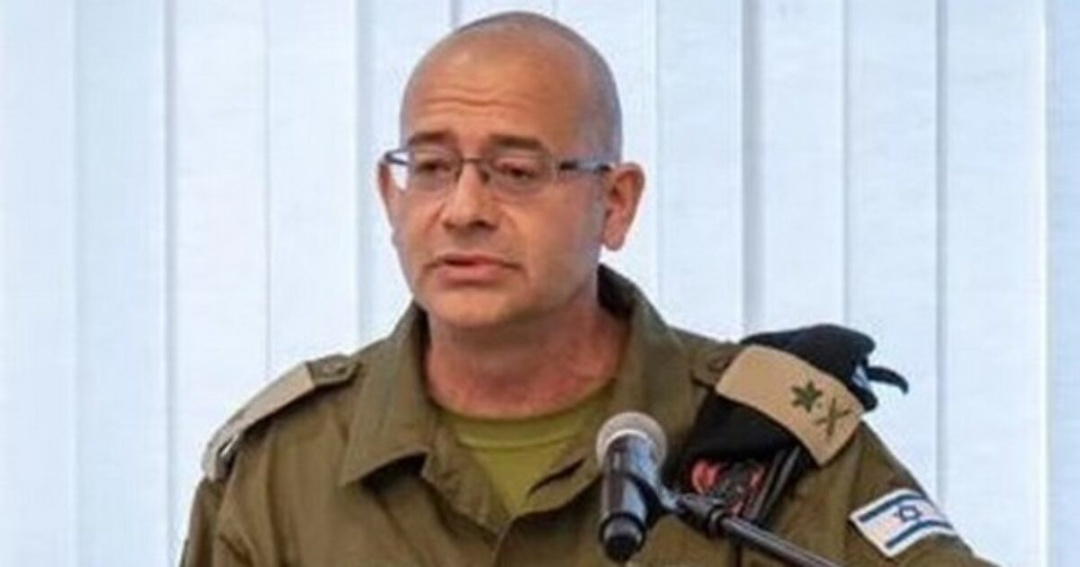
Mossad Director Advocates for Independent Israeli Strike on Iran
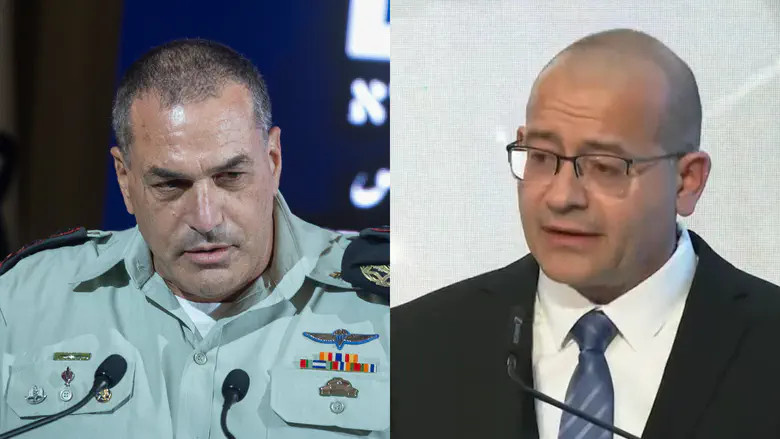
Mossad Director Roman Gofman has recently voiced his support for an independent Israeli strike on Iran if no other options remain, even in the absence of U.S. cooperation. This stance was reported during security discussions, where Gofman expressed concerns that further delays could enable Iran to advance its chemical weapons capabilities, complicating future efforts to neutralize the threat.
As Israel approaches elections, the U.S. has reportedly prepared for a potential strike on Iran, leading to heightened alert levels within Israel. However, IDF Chief of Staff Eyal Zamir has expressed opposition to initiating military action before the elections, emphasizing the need for careful consideration.
Gofman believes that if Washington is willing to collaborate, Israel should take the opportunity to act jointly. However, U.S. President Donald Trump later reversed his intention to launch a strike, resulting in a de-escalation of Israel's alert status.
Approximately three weeks ago, Gofman traveled to Washington to present new intelligence regarding Iran's chemical weapons program. During this visit, he aimed to promote joint action, noting that the timeframe for significantly damaging Iran's capabilities is limited.
Israel's Strategic Timeline for Action
Reports indicate that Israel perceives the swearing-in of Congress in about six weeks as a critical deadline for potential action, while the U.S. has yet to finalize its decision regarding a strike. Security sources reveal that both the IDF's Military Intelligence Directorate and the Mossad share a similar intelligence assessment, with Zamir also supporting a strike. However, he maintains that the threat is not immediate, allowing for a wait-and-see approach regarding U.S. decisions.
Approved for Dissemination
Gofman argues that Iran's advancements warrant consideration of independent action if a joint operation cannot be achieved. The IDF has stated that it would act alone if faced with an immediate existential threat, but current assessments do not classify the situation as such. The military is also weighing the implications of conducting a strike, including potential Iranian retaliation and the management of subsequent military campaigns.
There are concerns that Trump might prefer to limit military engagement after achieving specific objectives or might seek a diplomatic resolution, while Israel aims for a more extensive degradation of Iran's capabilities.