Costa Rica Blocks UN Rapporteur Albanese Over National Security Concerns
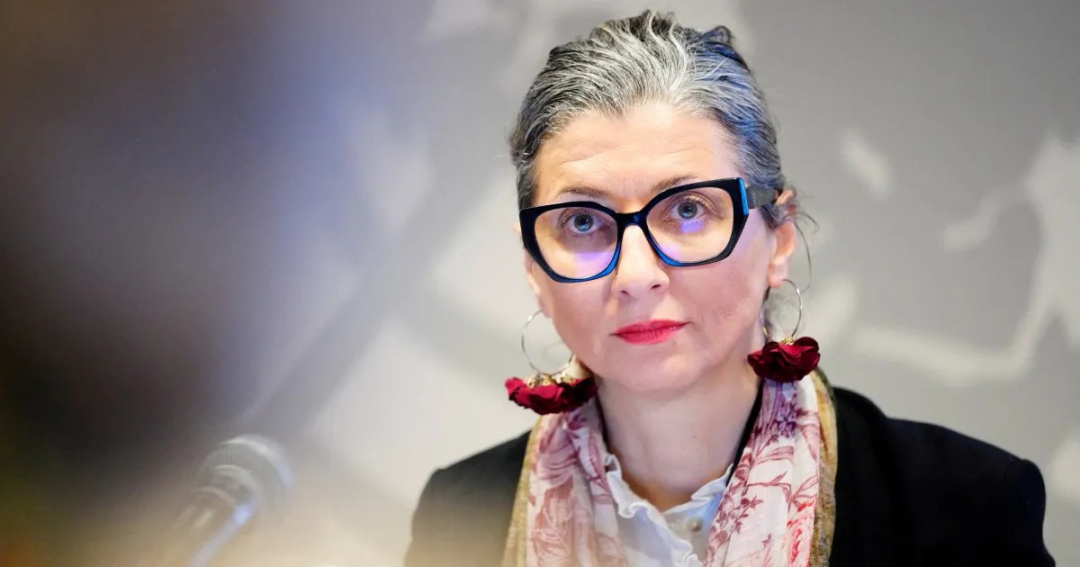
Costa Rica has barred Francesca Albanese, the United Nations Special Rapporteur on the Occupied Palestinian Territories, from entering the country, citing national security concerns. Albanese was detained at Juan Santamaria International Airport, where she expressed her outrage, calling the situation a disgrace. The director-general of Costa Rica’s immigration authority, Omer Badilla, announced in a social media video that Albanese was refused entry due to an international alert linked to terrorist acts, although he did not specify the issuing country.
Badilla emphasized that national security is a priority, stating that local police authorities strictly enforce legal provisions when such risks are present. Albanese, appointed by the UN Human Rights Council in 2022, was traveling to Costa Rica to receive an honorary doctorate from the University of Costa Rica in recognition of her academic and human rights contributions.
Her advocacy for Palestinians has drawn significant backlash from Israel and its allies, including the United States, particularly regarding her claims of genocide and war crimes committed by Israel. While detained, Albanese described her situation as appalling and criticized the implications of her detention, questioning Costa Rica's sovereignty in light of her name being on the US sanctions list.
She noted that the only country that had barred her entry was Israel, which labeled her as persona non grata in 2024. The US had previously imposed sanctions on her after she criticized its policies regarding Gaza. Costa Rican President Laura Fernandez, a close ally of former US President Donald Trump, has sought to strengthen trade relations with Israel since taking office in May.
International Politics and Human Rights Implications
Albanese's detention has sparked discussions about the influence of international politics on national sovereignty and the implications for human rights advocacy. Israel's ambassador to the UN, Danny Danon, praised Costa Rica's decision, asserting that those who misuse their UN roles to promote propaganda should face consequences.
Final Assessment
The incident raises questions about the intersection of national security and human rights advocacy. Albanese's work has often put her at odds with powerful nations, and her detention in Costa Rica highlights the potential repercussions for individuals who challenge dominant narratives regarding the Israeli-Palestinian conflict. As the situation unfolds, it remains to be seen how this incident will affect Costa Rica's international relations and its stance on human rights issues.
The refusal of entry to Francesca Albanese underscores the complexities of international diplomacy and the challenges faced by human rights advocates. As nations navigate their security concerns, the implications for individuals advocating for marginalized communities become increasingly significant. The response from Costa Rica and the international community will likely shape future discussions on the balance between national security and the protection of human rights.