China and US Espionage: The Implications of Nvidia's Leadership Drama
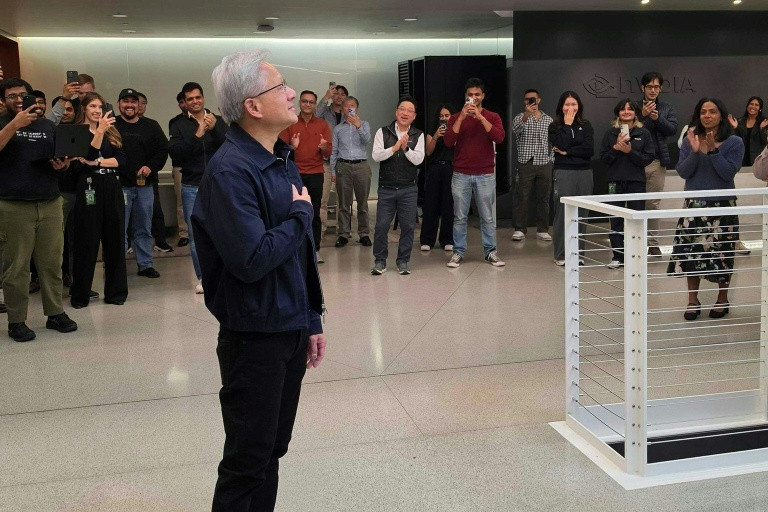
The reinstatement of Jensen Huang as CEO of Nvidia has ignited a debate about the implications for US-China relations and the ongoing technological Cold War. The intervention of high-profile figures like Trump and Musk in Huang's return has polarized opinions and raised questions about the effectiveness of US policies regarding China. Despite the drama surrounding Huang's leadership, the fundamental issues of espionage and technology access remain unresolved.
The situation has led to speculation about whether China will gain access to Nvidia chips, a concern that has not been adequately addressed. The complexities of international trade and the murky legalities surrounding US restrictions on China complicate the narrative. A third-party entity in Southeast Asia, Megaspeed, has emerged as a potential source for computing resources, raising further questions about the efficacy of US sanctions.
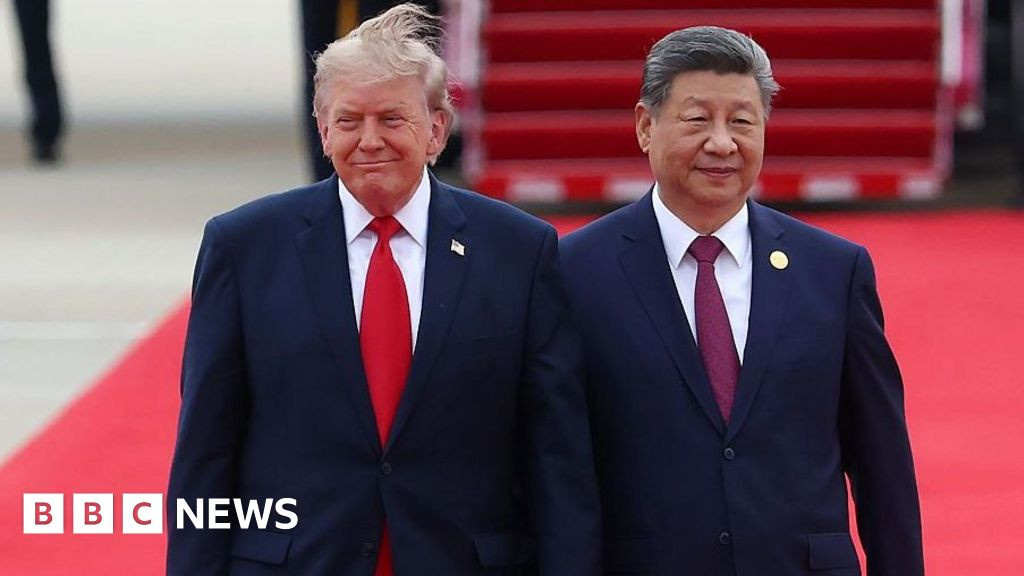
As the US grapples with its approach to China, the stark contrast in trade performance is evident. While US trade has seen modest growth, China's trade surplus has soared, indicating a shift in market dynamics. Analysts suggest that the US's attempts to isolate China through sanctions may be backfiring, as China expands its reach into other markets.
The geopolitical landscape is further complicated by the perception that US policies are outdated and ineffective. Experts argue that a more cooperative approach is necessary to address the challenges posed by China's technological advancements. The ongoing tensions highlight the need for a reevaluation of strategies that have proven ineffective in the past.
Assessing the Future of US Innovation
In this context, the question arises: how secure is US technological supremacy? The challenges posed by a brain drain and inadequate educational policies threaten the future of US innovation. As the world becomes increasingly interconnected through technology, the notion of containment may no longer be viable.
The Nvidia affair serves as a reminder of the complexities of modern espionage and trade. The inability to control technology flows and the potential for compromise in AI systems raise significant security concerns. The US must confront the reality that its current strategies may not be sufficient to maintain its position in the global technological landscape.
Final Assessment
As the US continues to navigate its relationship with China, the implications of the Nvidia situation extend beyond corporate leadership. The need for a strategic policy that acknowledges the realities of global trade and technological interdependence is paramount. The current trajectory suggests that without a shift in approach, the US risks falling further behind in the race for technological supremacy.
In conclusion, the ongoing drama surrounding Jensen Huang and Nvidia underscores the broader challenges facing US-China relations. The effectiveness of current policies is under scrutiny, and a reevaluation of strategies is essential for addressing the complexities of the technological Cold War. The future of US technological leadership may depend on a more nuanced understanding of the global landscape and a willingness to engage in meaningful dialogue with China.