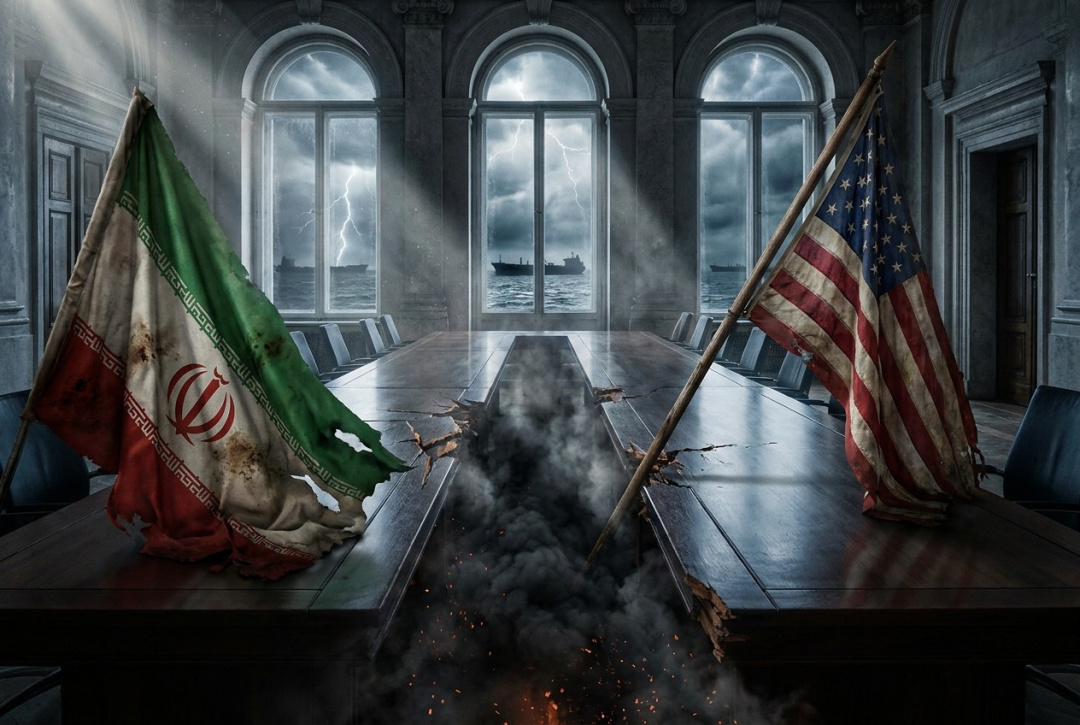
Iran's Cyberattacks and Assassination Plots Linked to Revolutionary Guard

Europe is enhancing security measures as it approaches the Christmas season, following a series of cyberattacks and threats that are believed to be linked to Iran. These incidents have disrupted operations at supermarkets, food processing plants, and blood banks, illustrating the spillover effects of Middle Eastern conflicts into daily life in Europe.
Among the alarming incidents is an alleged assassination plot targeting an Israeli citizen in Greece, alongside a wave of cyberattacks that have compromised refrigeration systems in France. Authorities are investigating potential connections between Iranian-linked hackers and threats that disrupted flights in November.
On November 10, the US Justice Department announced charges against three individuals, including Mohammad Baqer Saad Dawood al-Saadi, an Iranian-Iraqi national, and two others. They are accused of orchestrating nearly 20 attacks across Europe and the United States, including a plot aimed at RAF Fairford in the UK.
The US prosecutors claim these individuals directed their operations from Iraq, with the attacks in Europe attributed to Harakat Ashab al-Yamin al-Islamiya (HAYI), which is considered a front for Kata’ib Hezbollah. In a joint statement issued on June 10, 24 countries, including France, the UK, and the US, condemned the group's activities.
Arrests Linked to Assassination Plot
In a separate development, five individuals suspected of planning the assassination in Greece were arrested in North Macedonia. The alleged mastermind, Edris Jahangiri Mavaneh, is reported to have direct connections to Iranian intelligence.
The cyberattacks have caused significant disruptions, with around 700 French retail outlets experiencing failures in refrigeration systems. Initially thought to be technical issues, these disruptions were later attributed to Shahid Kaveh, a unit of the Islamic Revolutionary Guard Corps' cyber command. The attacks resulted in the disposal of large quantities of food and several fires.
Final Assessment
In Ireland, the hacking group Handala targeted medical technology company Stryker in March, erasing critical data from its systems. Additionally, on November 5, threats at European airports affected at least 28 flights, with the hacking group CyberAveng3rs, believed to operate under Shahid Kaveh's oversight, mentioned in connection with these incidents.
European authorities are also investigating how Iranian-linked groups recruit individuals for sabotage operations, drawing parallels to suspected Russian recruitment tactics in Europe. Analysts suggest that the choice of targets in the HAYI-linked attacks aims to intimidate Jewish communities and exert pressure on security services.