Britain Mobilizes Military Reservists Amid Rising Security Threats

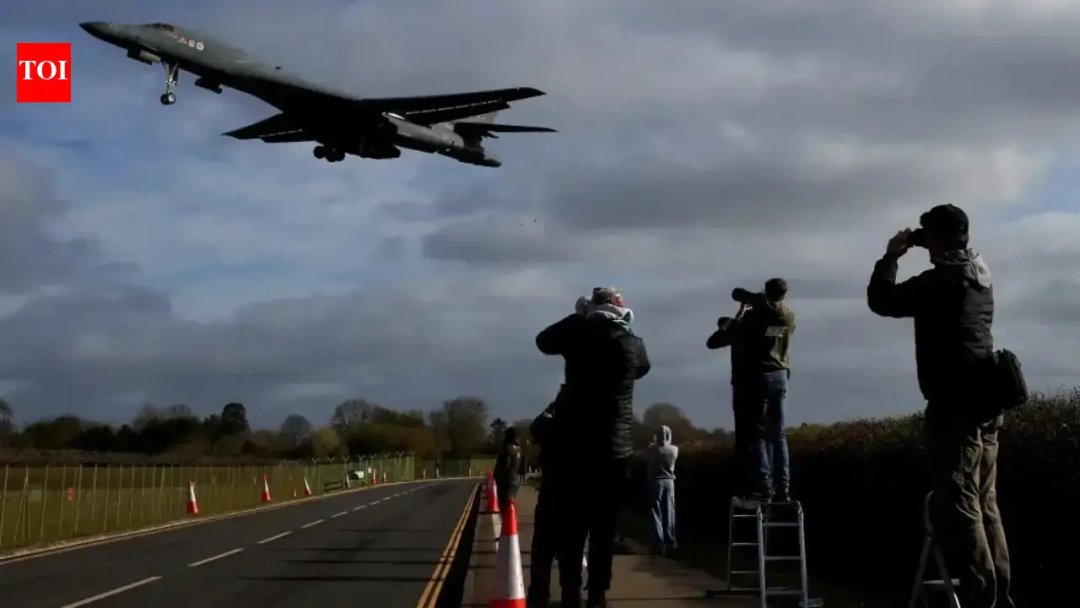
Britain is contacting around 100,000 military reservists in a major effort to enhance national security, marking the first large-scale mobilization since the Cold War. This initiative comes in response to the evolving security landscape in Europe, particularly due to Russia's ongoing war in Ukraine. The Ministry of Defence has begun reaching out to former military personnel to update their contact information and evaluate their current skills and employment status.
UK Defence Secretary Wes Streeting confirmed that the letters sent to reservists aim to clarify their recall obligations and assess the skills they have acquired since leaving military service. Streeting described this exercise as a "sensible, necessary precaution," emphasizing that it should be viewed as reassuring rather than alarming. He noted that the current security environment is increasingly dangerous, but this does not imply that Britain is on the brink of war.
The Ministry of Defence's initiative also seeks to improve mobilization arrangements and provide eligible veterans with opportunities to engage in voluntary training and military exercises. As part of this plan, Britain is preparing to invite up to 1,000 Strategic Reservists to participate in NATO's Exercise Steadfast Defender in spring 2027, with participation being voluntary and for short durations.
Historical Context of Strategic Reserve Mobilization
Historically, the last significant mobilization of Britain's strategic reserve occurred during Operation Granby, which was the UK's military contribution to the Gulf War in 1990-91. During that conflict, approximately 1,700 reservists were called up. Since then, the UK has not mobilized its strategic reserve on a comparable scale, although smaller-scale mobilizations have occurred, such as recalling personnel during the COVID-19 pandemic.
Approved for Dissemination
The current mobilization effort is set against a backdrop of heightened security concerns in Europe, where the threat from Russia is perceived as multifaceted, including potential cyberattacks and threats to critical infrastructure. The UK's strategic defence review has identified Russia as an immediate threat, prompting the government to prepare for scenarios that may require more military personnel than the regular armed forces can provide.
As Britain rebuilds its strategic reserve, the focus is on ensuring that trained manpower is available should tensions escalate into a broader conflict involving NATO. This proactive approach reflects a recognition of the changing nature of warfare and the need for readiness in the face of evolving threats.