Trump Administration Clears Jensen Huang of National Security Threat
The US Justice Department did not conduct a formal investigation into Jensen Huang before President Donald Trump advocated for his return as Nvidia's chief executive. This decision came despite ongoing probes into Nvidia's customers and allegations of Huang's affair with a woman linked to Chinese intelligence. Attorney General Todd Blanche found no evidence that Huang had violated any laws based on the investigations into two Nvidia clients, Super Micro Computer and Megaspeed International, which are suspected of smuggling advanced microchips to China.
Blanche's determination was pivotal in informing Trump and Vice President JD Vance that Huang did not pose a national security risk. This conclusion has sparked backlash from members of Congress, who argue that it is premature to dismiss concerns regarding Nvidia or its CEO's potential threat to national security. The lack of a thorough examination prior to Trump's intervention may lead to increased calls for further investigations on Capitol Hill.
Investigations into Nvidia's customers revealed no evidence that Huang acted as an agent for China or knowingly transferred sensitive technology. Nvidia was not a target of these investigations and cooperated fully, providing necessary documents and information that contributed to this conclusion. Additionally, there was no counterintelligence investigation specifically targeting Huang.
US intelligence agencies have gathered information on Alice Huang, a former executive at Megaspeed and alleged paramour of Jensen Huang, who is suspected of having connections to Chinese intelligence. However, officials stated that there was insufficient evidence to warrant an investigation into the Nvidia CEO himself.
The Justice Department's findings indicated that neither Nvidia nor Huang had committed any wrongdoing, and officials did not suspect Huang of being a national security threat. Trump and Vance communicated this assessment to Nvidia's board, which subsequently decided to reinstate Huang.
Justice Department's Findings and Implications
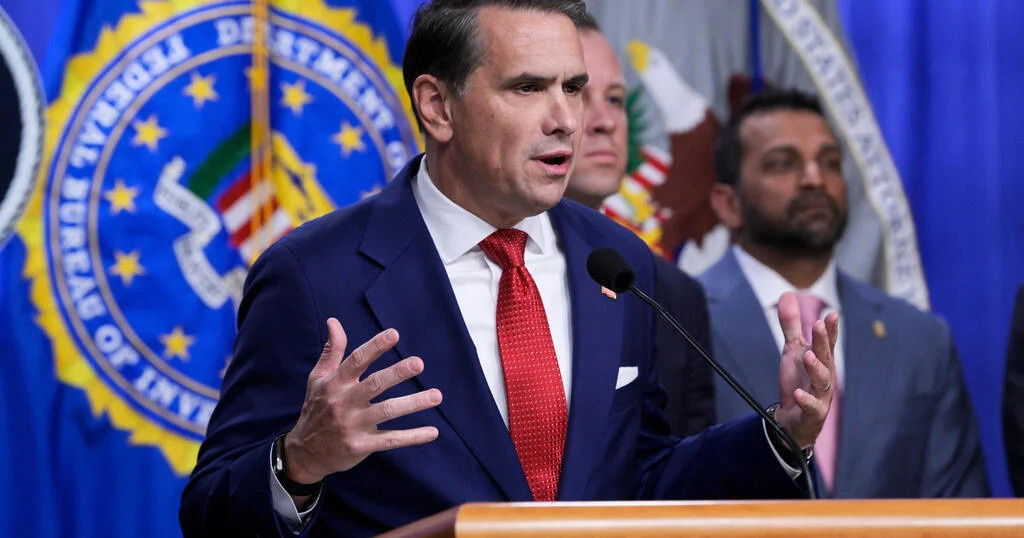
In a recent press conference, Blanche emphasized that he found no evidence of wrongdoing by Nvidia, stating, "I have no reason to stand up here and say Nvidia is anything other than a good corporate citizen." The Justice Department is also conducting antitrust reviews of Nvidia's business dealings unrelated to Huang's personal conduct.
Experts have expressed concern that federal officials may have bypassed standard counterintelligence protocols in their assessment. Steve Cash, a former CIA officer, noted the absence of a formal investigation into the national security allegations, describing it as alarming yet unsurprising. The FBI has provided Nvidia leadership with defensive briefings regarding Chinese espionage tactics, but it remains unclear whether these were standard security measures or specifically related to Alice Huang.
Final Assessment
Defensive briefings are typically aimed at protecting national security rather than building a case for criminal charges. They can lead to inquiries if companies ignore the warnings. The FBI's approach to Nvidia has raised questions about the adequacy of the investigations and the potential risks associated with Huang's reinstatement as CEO. As the situation develops, the implications for national security and the semiconductor industry remain a significant concern.
The Trump administration's decision to clear Jensen Huang has ignited a debate over the balance between corporate interests and national security. As investigations continue, the scrutiny on Nvidia and its leadership is likely to intensify, reflecting broader concerns about foreign influence in critical technology sectors. The outcome of these inquiries will be pivotal in shaping future policies regarding national security and technology exports.