Divisions Emerge Over Jensen Huang's Return to Nvidia Amid Security Concerns
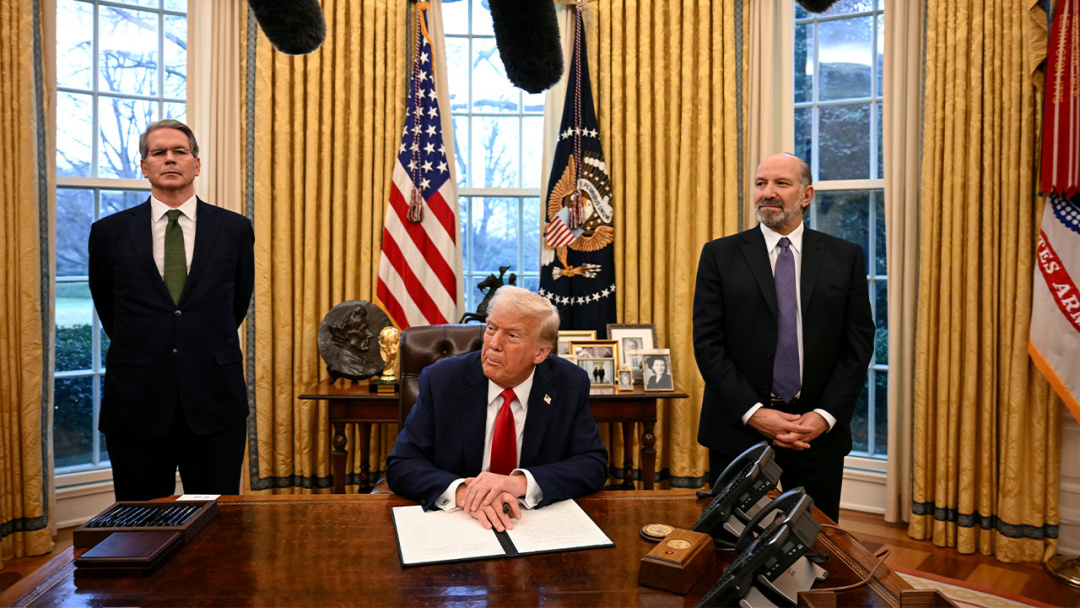
Jensen Huang's return to Nvidia has ignited divisions within the Trump administration, as national security concerns loom large. Following an affair scandal, Huang was reinstated with the backing of President Donald Trump and Vice President JD Vance. However, this move has reportedly put Commerce Secretary Howard Lutnick at odds with Treasury Secretary Scott Bessent, who is worried about Huang's ties to a woman allegedly connected to Chinese intelligence and the implications for U.S. chip exports to China.
Vance's intervention with Nvidia's board over the weekend was pivotal in securing Huang's position, while Secretary of State Marco Rubio has taken a more cautious approach, warning Trump about the potential risks associated with Huang's reinstatement. Despite assurances from senior officials that Huang's return would not pose a national security risk, ongoing federal investigations into his past relationship and the diversion of advanced U.S. chips to China have raised eyebrows.
The reinstatement has prompted Republican lawmakers to demand answers regarding what information was provided to Nvidia's board that led to their decision. The scrutiny intensified when the Commerce Department added Megaspeed, a Singapore-based company linked to Huang's former partner, to its trade blacklist, highlighting the administration's internal disagreements over how to handle the situation.
Director of National Intelligence Jay Clayton emphasized the need for ongoing investigations into Megaspeed and its connections to Huang. Trump has stated that the Attorney General confirmed there was no evidence of unlawful conduct by Huang, but questions remain about the administration's commitment to preventing chip diversion to China.
As the situation unfolds, lawmakers are pressing for clarity on the administration's rationale for Huang's reinstatement, with some expressing concern that it may undermine national security efforts. The congressional inquiry will focus on the company's handling of the controversy and the broader implications for U.S.-China relations regarding advanced technology and national security.
Concerns Over National Security and Chip Exports
The decision to reinstate Huang has sparked a debate about the administration's approach to China and the potential risks associated with Nvidia's technology. Critics argue that restoring Huang sends the wrong message at a time when the U.S. is grappling with national security challenges related to foreign espionage and technology transfer. The ongoing investigations into Megaspeed and Huang's past relationships underscore the complexities of balancing corporate interests with national security imperatives.
As the inquiry continues, Nvidia's leadership will face tough questions about its commitment to safeguarding U.S. technology and ensuring compliance with export controls. The outcome of these investigations could have significant implications for the future of Nvidia and its role in the competitive landscape of artificial intelligence and semiconductor technology.
Final Assessment
Lawmakers are set to question Huang and Nvidia's top legal counsel about the company's response to the national security concerns surrounding his return. The scrutiny reflects broader anxieties about the intersection of corporate governance, national security, and U.S.-China relations in an increasingly competitive technological landscape. As the situation develops, the administration's decisions will be closely monitored for their impact on both national security and the future of the semiconductor industry.