BMW to Unveil Electric M3 at CES 2027
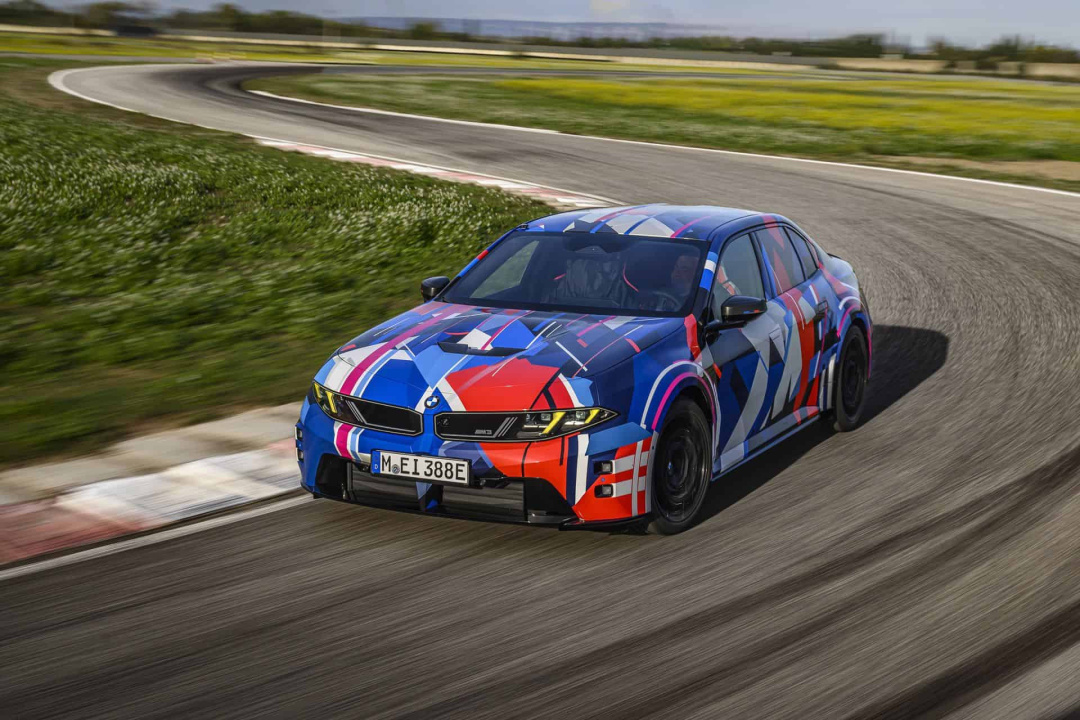
After years of anticipation, BMW is preparing to unveil its first fully electric M3 at the Consumer Electronics Show (CES) in Las Vegas in January 2027. This high-performance sedan, referred to internally as the ZA0, represents a major milestone for BMW as it transitions into electric vehicles. The electric M3 will debut before the next-generation combustion-powered M3, offering consumers a choice between electric and traditional inline-six models.
Production of the electric M3 is expected to begin at BMW's Munich plant in March 2027, just a few months after its official reveal. Deliveries are anticipated to start in Europe before the summer. Unlike previous M Performance electric vehicles, the ZA0 has been developed from the ground up as a true M car, ensuring it meets the performance standards expected from the brand.
The M3 ZA0 will be built on the Neue Klasse platform and will feature four independently controlled electric motors, one for each wheel. Preliminary specifications suggest a combined output of around 838 horsepower and 1,200 Nm of torque. This powerful setup will enable the electric M3 to accelerate from 0 to 62 mph in under three seconds. While BMW has not disclosed the curb weight, it is expected to be heavier than the current i3 50 xDrive, which weighs approximately 2,205 kilograms.
A dedicated battery pack with over 100 kWh of usable energy will power the electric motors, providing a targeted WLTP range of about 650 kilometers or approximately 300 miles on the EPA cycle. The vehicle will support DC charging at rates up to 420 kW, allowing for a significant range recovery in just 10 minutes under optimal conditions.
Innovative Features for Enhanced Performance
To enhance the driving experience, BMW is incorporating features that will make the electric M3 feel more like a traditional performance car. This includes simulated gear changes via steering-wheel paddles and six selectable driving modes. A dedicated rear-wheel-drive mode will also be available, allowing for a more engaging driving experience by disconnecting the front motors.
Importantly, the introduction of the ZA0 does not mean the end of the traditional M3. The current G80 model is expected to remain in production until 2027, potentially overlapping with the electric version for a short period. BMW has also updated the S58 3.0-liter twin-turbocharged inline-six engine to comply with Euro 7 emissions regulations, ensuring its continued availability in future models.
Final Assessment
The next-generation gasoline M3, referred to as the G84, will utilize an evolved version of the existing platform rather than the Neue Klasse architecture of the electric ZA0. Despite the differences, both models are expected to share similar exterior and interior designs, with the electric M3 providing a glimpse into the future of its gasoline-powered counterpart.
If reports are accurate, both M3 variants will also have wagon versions, with the electric ZA1 and gasoline-powered G88 expected to debut later this decade. The electric M3 Touring is likely to arrive before its six-cylinder counterpart, further expanding BMW's performance lineup in the electric vehicle market.