India-Israel Strategic Ties: Military Cooperation Amid Controversy
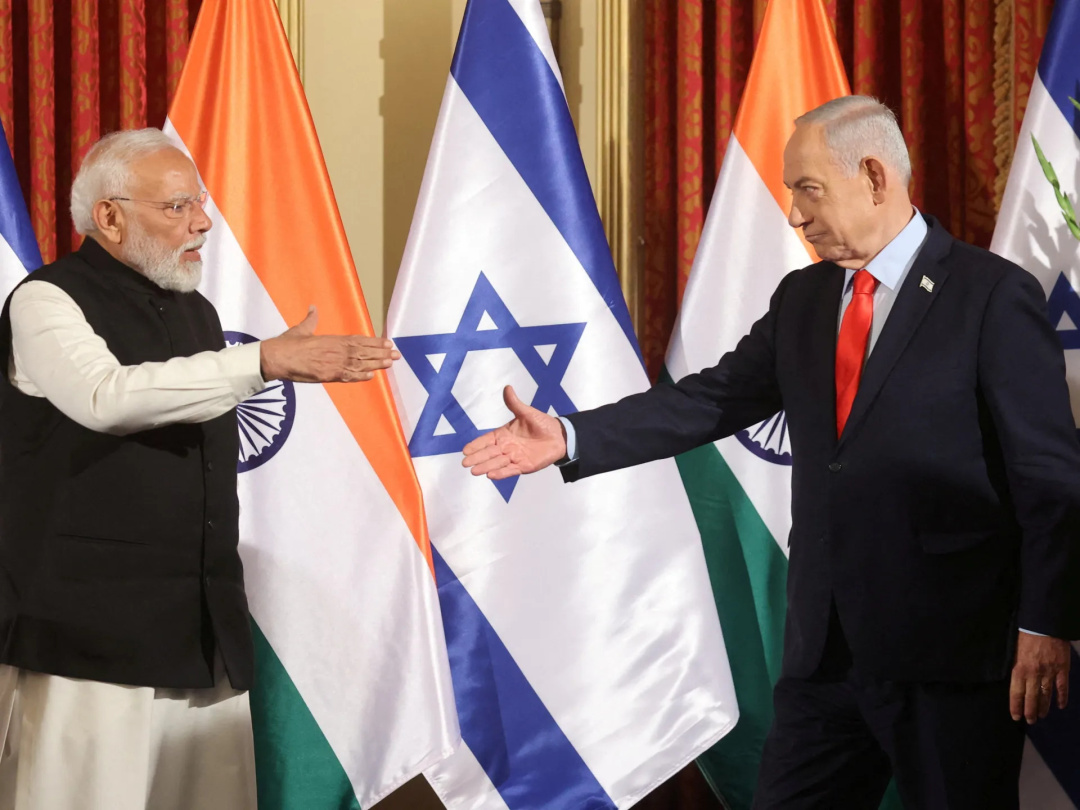
New Delhi, India – For the past three years, the Indian National Congress, India's main opposition party, has criticized Prime Minister Narendra Modi's government for its failure to condemn Israel's actions in Gaza, which they label as genocide. However, in a recent interview, Congress leader Rahul Gandhi expressed a nuanced stance, condemning the violence while advocating for a strong relationship with Israel, citing strategic interests such as acquiring advanced military technology.
This statement has drawn backlash from some allies within the Congress party, particularly from leftist factions. Analysts suggest that this reflects the complex and deepening strategic partnership between India and Israel, which has evolved significantly under Modi's leadership. This relationship is viewed as essential by both nations, transcending political changes and likely to endure beyond Modi's tenure.
India's collaboration with Israel encompasses various domains, including military procurement, surveillance, and intelligence sharing. An investigation by the Internet Freedom Foundation revealed that Home Minister Amit Shah bypassed regulations to facilitate the acquisition of phone-hacking technology from Israel. This follows previous incidents where Israeli spyware, such as Pegasus, was used against Indian journalists and activists, raising alarms about unauthorized surveillance practices.
Experts argue that India's reliance on Israeli technology for intelligence gathering and border management has become increasingly pronounced. The partnership has led to the adoption of Israeli methods in domestic policing and dissent control, with significant implications for civil liberties in India. For instance, Haryana's state police have implemented Israeli tactics, including the use of drones to disperse protests.
Adani Group's Role in Military Collaboration
The Adani Group, led by billionaire Gautam Adani, plays a pivotal role in this relationship, having established joint ventures with Israeli defense firms to manufacture military equipment in India. This collaboration has positioned India as a critical market for Israeli arms, with India accounting for a substantial portion of Israel's defense exports. The strategic ties are further solidified by India's willingness to indigenize production, aligning with Modi's Make in India initiative.
Despite the growing military cooperation, experts caution about the implications of this partnership. While Israel provides advanced technology without stringent conditions, concerns about accountability and the ethical ramifications of arms sales to a nation involved in alleged war crimes persist. Critics argue that India's arms transfers to Israel during ongoing conflicts raise serious questions about complicity in human rights violations.
Final Assessment
The ideological underpinnings of the India-Israel relationship are debated among analysts. Some argue that both nations share a civilizational narrative, while others view the ties as primarily transactional, driven by security needs. The historical context of India's diplomatic stance towards Israel, which has evolved from initial reluctance to a robust partnership, underscores the complexities of this relationship.
As India continues to navigate its strategic interests, the balance between military cooperation and ethical considerations remains a contentious issue. The evolving dynamics of this partnership will likely influence India's foreign policy and its stance on global human rights issues moving forward.