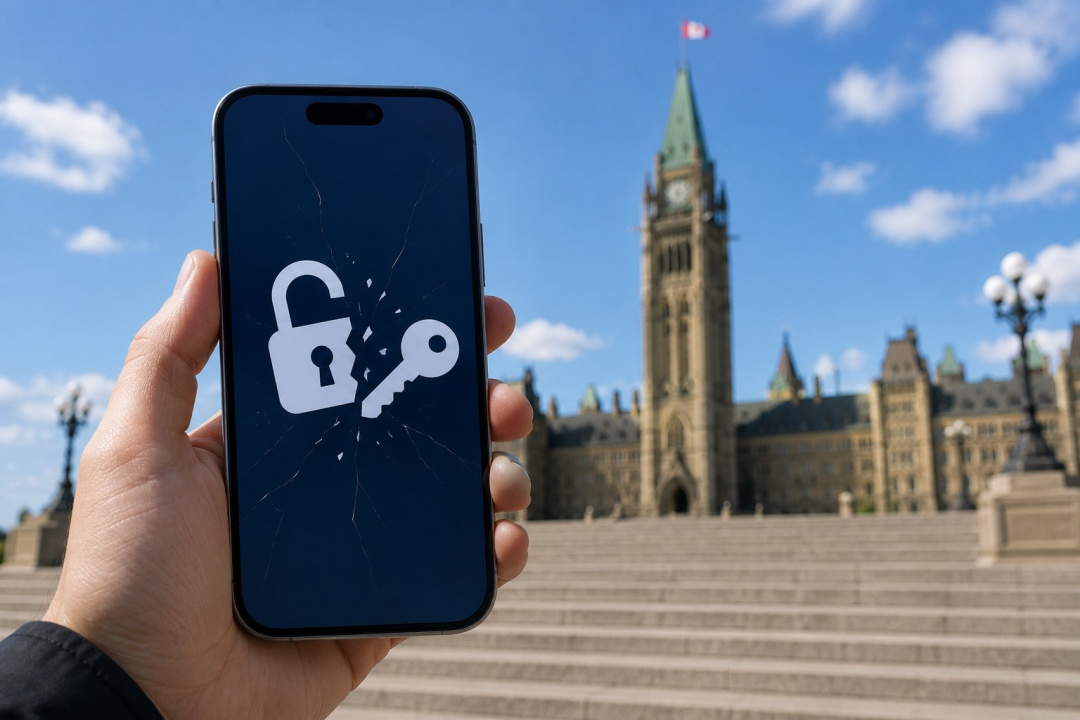
Apple and Google Warn Senators Against Encryption Backdoors in Bill C-22

Apple and Google presented their concerns to Canadian senators on November 23 regarding Bill C-22, which proposes lawful access laws that could compromise encryption. Apple stated it would not create backdoors in its encrypted products, warning that the bill could enable the government to mandate the weakening of end-to-end encryption. Google echoed these sentiments, cautioning that tools designed for lawful access could be misused against the very individuals they are intended to protect.
During the Senate's national security committee hearing, Erik Neuenschwander, Apple’s senior director of user privacy and child safety, emphasized that the changes made in the House of Commons were insufficient. He noted that Apple had complied with over 3,000 government requests from Canada, with more than 35% categorized as emergencies. Neuenschwander argued that compromising encryption for even one user poses risks to all users, advocating for explicit prohibitions against orders that would weaken encryption.
Senator Andrew Cardozo inquired whether Apple would withdraw its encryption features in Canada if the bill passed without amendments, referencing a similar situation in the UK. Neuenschwander did not confirm any plans to withdraw features but reiterated the company's focus on amending the bill to protect encryption.
Concerns Over Foreign Espionage Risks
John Hultquist, chief analyst at Google Threat Intelligence Group, raised concerns about foreign espionage, citing incidents where state-sponsored hackers targeted lawful access systems. He stated that Google had responded to over 3,000 Canadian production orders and emergency requests last year, highlighting the potential risks of retaining metadata for extended periods.
Approved for Dissemination
Jeanette Patell, Google Canada’s director of government affairs, criticized the proposed retention period for metadata, arguing that even a reduction from 12 months to six months would still require providers to log the online activities of Canadians not suspected of any crime. She also pointed out that secret orders from ministers would bypass judicial oversight, preventing transparency and accountability.
The Senate hearing was part of a broader campaign by major tech companies, including Apple, Google, and Meta, to influence the bill's direction. Meta has indicated that it may withdraw WhatsApp from Canada if encryption is compromised. The committee chair announced that senators would begin a clause-by-clause review of Bill C-22 on November 24, allowing for proposed amendments to be discussed.