U.S. Energy Strategy and Geopolitical Dynamics in South America
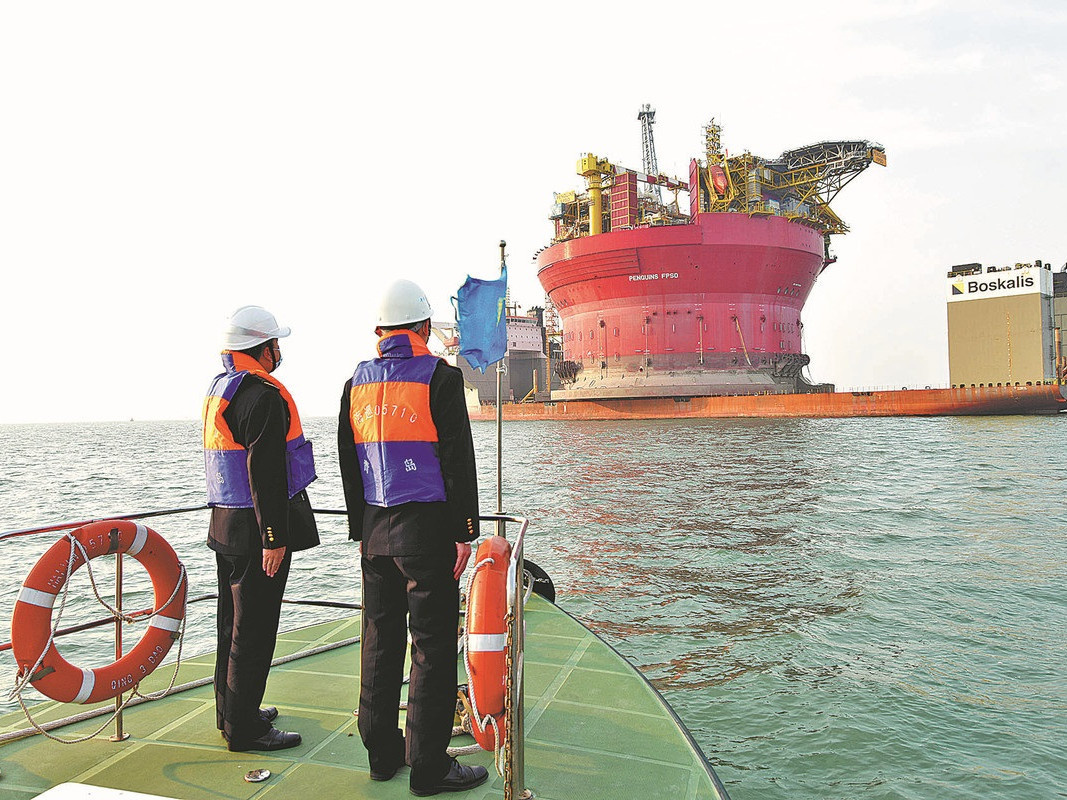
U.S. commercial crude inventories have seen an increase, reflecting broader trends in the energy market. In December of the previous year, President Donald Trump articulated a vision for a world divided into three major blocs, with Asia under China's influence and Europe potentially dominated by Russia or key European nations, depending on future conflicts. The U.S. aims to maintain its global dominance, particularly in the Americas, where energy resources play a crucial role in economic and political stability.
Following the U.S. intervention that led to the removal of Venezuelan President Nicolás Maduro on January 3, 2026, Venezuela's vast oil reserves became a focal point for U.S. interests. With approximately 303 billion barrels of oil, Venezuela's oil sector is in dire need of revitalization after years of mismanagement. In a significant move, the U.S. secured what has been termed the largest oil deal in history, allowing control over 65 billion barrels of Venezuela's proven reserves for a century. This deal positioned North American Blue Energy Partners as the second-largest private oil company globally, with the U.S. Department of War holding a substantial equity stake.
In addition to Venezuela, the U.S. is looking to Argentina and Brazil for energy opportunities. Argentina, under President Javier Milei, received a $20 billion lifeline from the U.S. in October 2025 to support economic reforms and attract foreign investment. The Reciprocal Trade and Investment Agreement signed in February 2026 aims to expedite U.S. investments in strategic sectors, including energy. U.S. companies are increasingly investing in Argentina's Vaca Muerta shale formation, which is gaining recognition for its potential similar to the Permian Basin.
Brazil's Strategic Role in Energy Production
Brazil, while not as favored by Trump as Argentina, remains strategically significant due to its status as a major emerging market and its increasing oil production. Currently producing around 4 million barrels per day, Brazil's oil sector is bolstered by investments from both Petrobras and foreign companies. However, challenges such as political interference and environmental regulations pose risks to its growth.
Filed & Cleared
In contrast, Guyana presents a more stable investment environment. The Guyanese government has honored its agreements with ExxonMobil and other partners, facilitating rapid development in the Stabroek Block. Following President Irfaan Ali's re-election in September 2025, the government has streamlined regulatory processes, leading to significant production increases. Guyana's oil production capacity has reached 1.1 million barrels per day, with projections to grow further.
The U.S. sees Guyana as a vital player in its energy strategy, with ExxonMobil's leadership emphasizing the country's potential as a key energy supplier. Despite its smaller reserves compared to its neighbors, Guyana's efficient production methods and favorable conditions make it an attractive prospect for U.S. energy interests. The ongoing developments in Guyana highlight the shifting dynamics of energy production in the region and the U.S.'s strategic positioning in South America.