Jensen Huang's Return to Nvidia Sparks Discussion on U.S.-China Relations
Jensen Huang's reinstatement as CEO of Nvidia has captured global attention, particularly in China, where it has become a trending topic on Weibo, the country's largest social media platform. Many users have expressed their approval of Huang's return, especially after he publicly declared his affection for China during a visit in May, which included videos of him enjoying local cuisine. However, his return is also viewed by some as a significant turnaround, potentially signaling a win for China in the ongoing geopolitical landscape.
The Chinese government has dismissed allegations that one of Huang's former associates was recruited by China's Ministry of State Security as a spy. State media has framed the espionage claims as a smear campaign by U.S. officials, with the Global Times labeling it a "witch hunt." Meanwhile, the White House, including President Trump, has stated that Huang does not pose a national security threat, although investigations into the allegations continue.
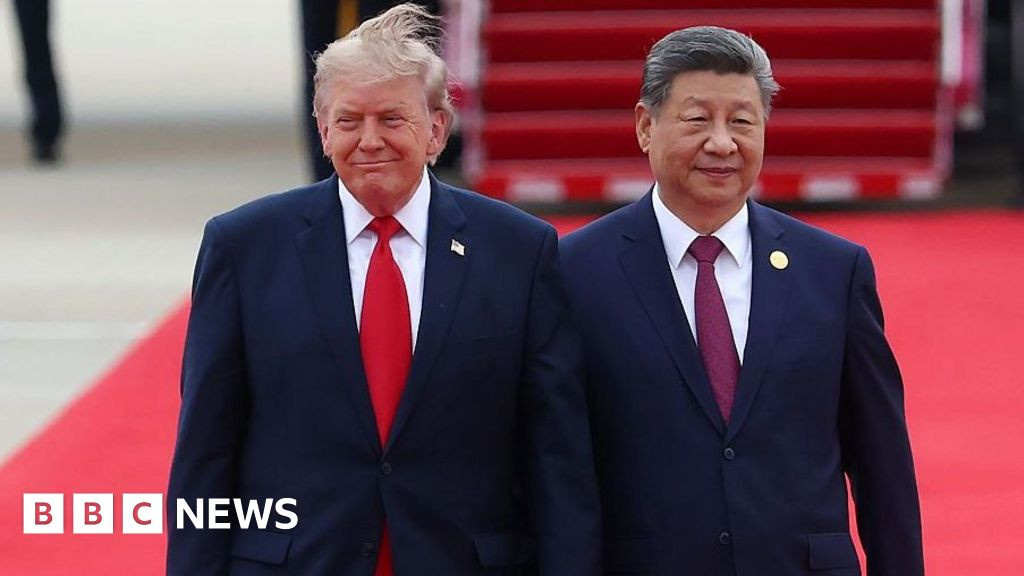
Huang's reappointment comes shortly after Xi Jinping's meetings with Trump, suggesting that direct engagement may be an effective strategy for influencing U.S. policy. Trump has mentioned that the two discussed Huang, although specifics were not provided. This incident has reinforced the perception among Chinese officials that there are factions within Washington: those advocating for restricting Chinese access to advanced technology and those who believe such measures will not deter China's ambitions.
Huang has consistently argued that U.S. export controls could compel Chinese companies like Huawei to develop independent alternatives, potentially isolating American firms from the lucrative Chinese market. However, his return to Nvidia does not guarantee an easing of tensions for Beijing. The sale of advanced chips remains a contentious issue, particularly as both nations strive to finalize a trade agreement ahead of a planned Trump-Xi meeting in December.
U.S. Tightens Chip Export Restrictions
In response to these dynamics, the U.S. Bureau of Industry and Security is tightening restrictions on the export of advanced chips to China and limiting Chinese firms' access to computing power in overseas data centers. These measures aim to close loopholes that might allow Chinese companies to acquire advanced Nvidia and AMD chips through cloud services in third countries.
As the situation develops, investors are closely monitoring for any retaliatory actions from China, which could impact U.S. equity markets. Xi Jinping may view the current climate as leverage, especially given Trump's concern for stock market stability, which has led to interventions in corporate governance decisions.
Cleared to File
China's control over rare earth metals has previously brought the U.S. to the negotiating table, and any restrictions on chip exports could trigger a cycle of retaliation that affects various sectors, including automotive and defense industries. The ongoing struggle for technological supremacy and resource control is now at the forefront of U.S.-China relations.
The unfolding narrative surrounding Jensen Huang is far from over. He is scheduled to testify before Congress next month, and with a Democrat-controlled Congress set to take office in January, scrutiny is expected to intensify. Some lawmakers, including Arkansas Senator Tom Cotton, have indicated that the Nvidia controversy is just the beginning of a larger issue that remains unresolved despite Huang's reinstatement. Huang's pivotal role in Nvidia's rise as a leader in artificial intelligence underscores the significance of this situation in the broader context of international relations and national security.