IDF Intelligence Leak Highlights Risks of Striking Iran
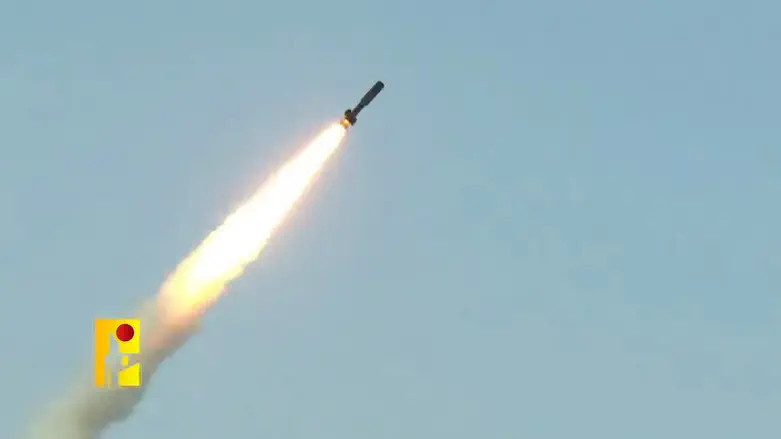
The recent leak of an IDF Military Intelligence assessment warns that a unilateral strike on Iran could ignite a multifront war across Lebanon, Syria, and Gaza. This assessment serves as an indictment of Israel's strategic posture over the past two years, confirming that campaigns against Hamas, Hezbollah, and the Islamic Republic were prematurely halted, leaving the situation dangerously unresolved.
Rather than paralyzing decision-makers, this intelligence warning should catalyze a clear strategic response. If Israel decides to strike Iran, it cannot afford a limited operation that merely manages escalation. A short, symbolic exchange would likely provoke significant Iranian retaliation. Therefore, any military action must aim for a decisive knockout blow.
The pressure from former President Trump for incremental ceasefires and partial agreements has led Israel's political and military establishments to grant its enemies the crucial resource of time. This miscalculation is evident in the remarks of Yashar party leader Gadi Eisenkot, who downplayed the urgency of Iran's military buildup, suggesting that Israel should focus solely on Tehran's unaccounted-for enriched uranium.
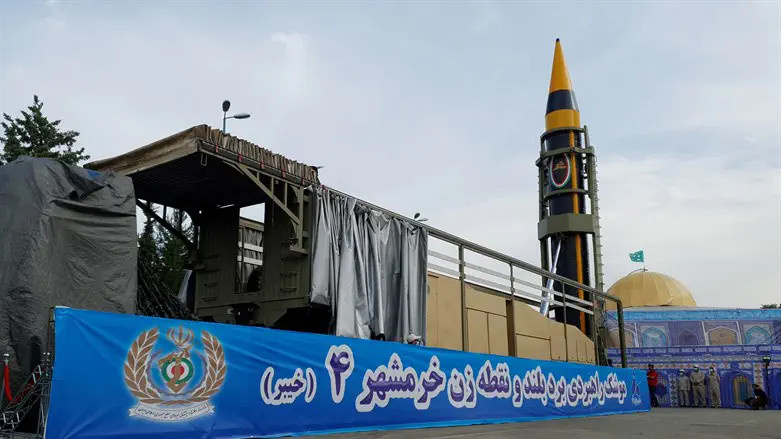
This perspective reflects a critical misunderstanding of modern deterrence. Iran's nuclear weapons program cannot be separated from its long-range ballistic missile capabilities. A nuclear warhead without a delivery system is ineffective; it is the combination of a robust missile arsenal with fissile material that poses an existential threat to Israel. Treating these issues as distinct is a strategic oversight.
A decisive campaign against Iran is not a distraction from border threats; it is a prerequisite for addressing them. An Israeli offensive aimed at crippling Iran's strategic infrastructure, energy sector, and missile production would significantly weaken the regional threat. Without Iranian support, the remaining terror infrastructure in Gaza and southern Lebanon would struggle to withstand sustained Israeli pressure.
Balancing Risks and Military Responses
Critics of such decisive action often raise concerns about potential regional devastation, warning that Iran might retaliate against Gulf oil fields and water desalination plants. While this risk is valid, it is essential to recognize that deterrence operates in both directions. Gulf states possess advanced military capabilities that could inflict substantial damage on Iranian infrastructure in response to any aggression.
Moreover, the United States would likely not remain passive in the event of a full-scale confrontation. If Iran were to attack regional energy supplies and American assets, the U.S. would be compelled to respond decisively, potentially dismantling Iran's military command structures and weapons arsenals.
Clearance Granted
The leaked IDF intelligence report should not intimidate Israel into inaction; rather, it should dispel the illusion of limited warfare. Half-measures will not deter a fanatical regime, nor can Israel secure its borders while leaving the sponsors of its enemies intact. The multi-front threat is already present and growing stronger with each month of inaction.
The critical question remains whether Israel will take decisive action on its own terms or wait until its adversaries are prepared to strike first.