Pentagon Limits Military Social Events with Canada Amid Trade Tensions
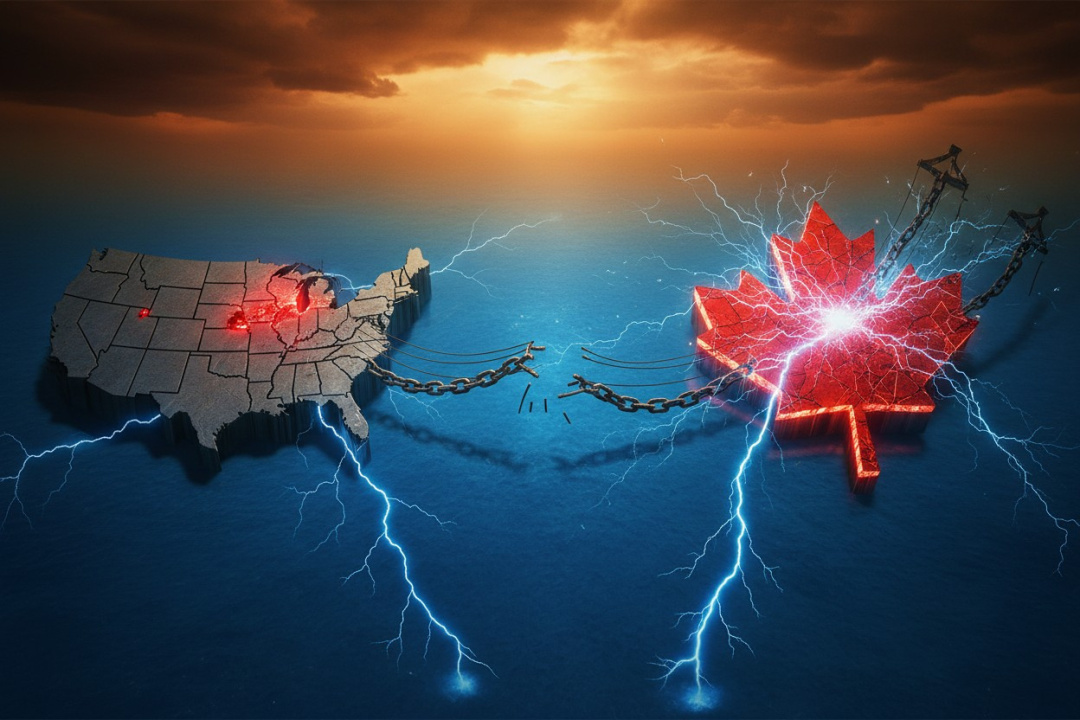
The Pentagon has issued a classified directive that restricts social interactions between U.S. military personnel and their Canadian counterparts. This decision comes amid rising trade tensions between the two countries, which have seen a series of retaliatory tariffs and diplomatic disputes. The directive, first reported by the Washington Post, aims to limit informal gatherings while maintaining formal military cooperation through existing frameworks like NORAD and NATO.
Senator Mike Rounds of South Dakota, who was briefed on the directive, clarified that the memo's impact is narrower than initially feared. He noted that while some social events involving military officers were curtailed, essential military operations and collaborations remain unaffected. The directive appears to be a strategic move to emphasize the importance of negotiating military agreements and cooperation before resuming social interactions.
Pentagon spokesman Sean Parnell reiterated that the guidance does not hinder defense intelligence cooperation or joint military operations. Canadian officials, including Defense Minister David McGuinty and General Jennie Carignan, have expressed that they see no significant changes in their military collaboration with the U.S. They continue to work together effectively, despite the social restrictions.
Cleared to File
The backdrop to this directive includes a series of provocative actions by U.S. President Donald Trump, such as renaming Lake Ontario and imposing significant tariffs on Canadian goods. These actions have contributed to a deteriorating relationship, prompting Canadian leaders to prepare for various contingencies, including military responses to potential U.S. aggression.
As tensions escalate, the implications of the Pentagon's directive extend beyond mere social interactions. It signals a shift in the dynamics of U.S.-Canada relations, with both nations reassessing their military and diplomatic strategies in light of recent developments. The ongoing trade war and its impact on military cooperation will likely continue to shape the future of U.S.-Canada relations.