Trump Links Vance to Nvidia Chip Export Policy
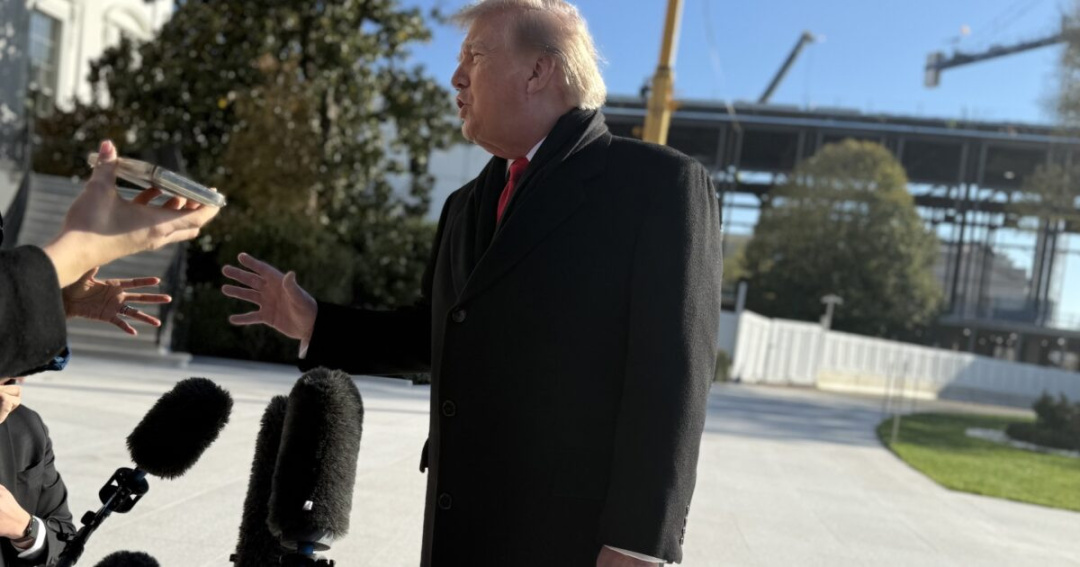
President Donald Trump recently indicated that Vice President JD Vance was involved in the administration's decision concerning Nvidia's AI chip exports to China. This policy, which regulates the amount of advanced American AI hardware that can be sold to Chinese customers, has sparked criticism from both political parties.
On November 23, 2026, Trump remarked that Vance had a significant role in the Nvidia decision, which directly relates to U.S. export controls on advanced AI chips destined for China. In December 2025, Trump had approved Nvidia's sale of its H200 AI chips to select Chinese clients, contingent upon a 25% revenue share going to the U.S. government from those sales.
However, the administration has not fully opened the market, as Nvidia's most advanced models, including the Blackwell and Rubin chips, remain under strict restrictions. This policy has drawn bipartisan criticism, reflecting a complex balance between supporting American chip manufacturers and safeguarding national security.
Vance's Defense and Trump's Financial Gains
Vance has actively defended the administration's stance on export controls. In a November 2026 interview, he acknowledged the potential risks associated with the diversion of chips to China. Trump's financial disclosures reveal that he purchased Nvidia stock valued between $1 million and $5 million prior to a significant policy shift in May 2025. By August 2026, the value of Trump's Nvidia holdings had surged to between $13 million and $62 million, raising concerns about possible conflicts of interest.
Filed & Cleared
The arrangement regarding the H200 chips is particularly noteworthy. The revenue-sharing agreement, which exists by executive approval, can be modified or revoked by the same authority, and may also face challenges from lawmakers. The bipartisan nature of the criticism surrounding this decision suggests that legislative responses could be more likely than if the objections were solely from one political party.
Vance's acknowledgment of the risks associated with chip diversion could resurface if any chips are misallocated, especially in light of Trump's assertion that Vance was involved in the decision-making process.