Netanyahu's Push for Military Action Against Iran Raises Questions
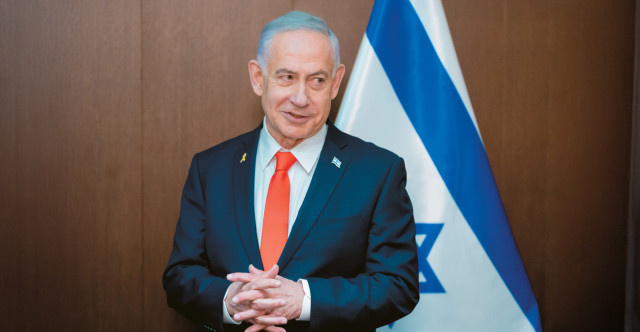
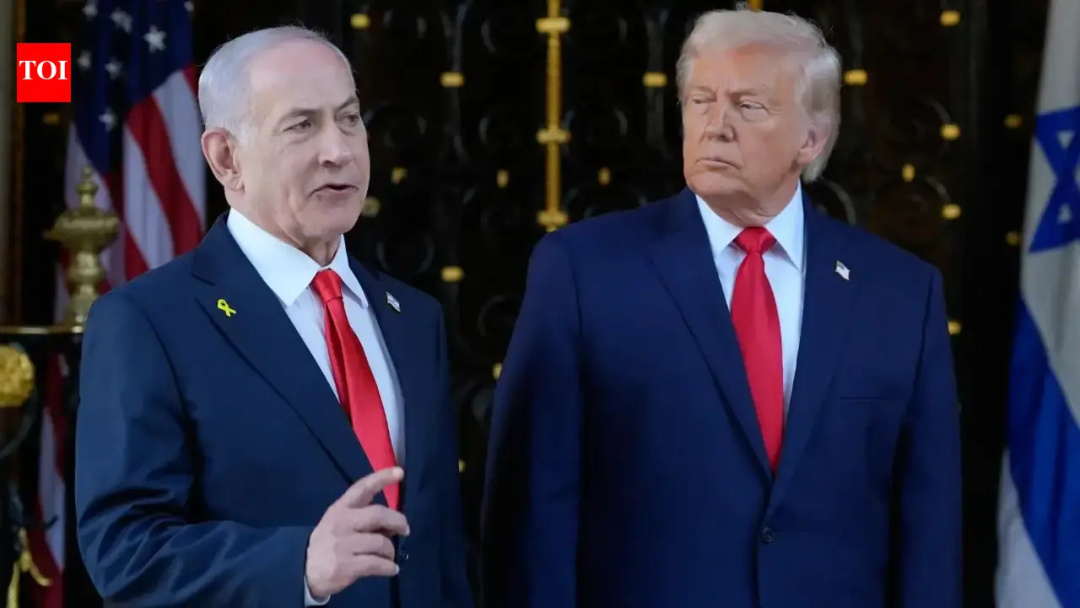
Israeli Prime Minister Benjamin Netanyahu has recently explained to US President Donald Trump his rationale for potentially striking Iran again. However, he has yet to clarify to the Israeli public what necessitates such an action in the coming weeks, what objectives he aims to achieve, and how far he is willing to go if Iran retaliates. The timing of this situation is particularly significant in Israel, as the mandate to form a new government rests with Gadi Eisenkot, the former military chief, until December 6. Eisenkot has pledged to end Netanyahu's tenure during the election campaign.
Reports indicate that Netanyahu personally raised the issue with Trump and dispatched envoys to meet with officials from the White House, the CIA, and US Central Command. Concurrently, Netanyahu has begun advocating for a national unity government, a shift from his previous stance prior to the October 27 election. The opposition perceives a connection between these two initiatives, although Netanyahu's office denies any political motivations, asserting that the threat does not adhere to a political timeline.
US involvement is crucial in discussions among Israeli leadership. Three Israeli security officials have indicated that military leaders advised Netanyahu that if Washington opts for a joint operation, Israel should capitalize on that opportunity. Conversely, regarding a unilateral strike, many senior commanders reportedly see no pressing need for immediate action, as such a move could jeopardize future collaboration with the US.
The Israeli government is also considering the political landscape following the upcoming congressional shift to Democratic control in January, which may complicate US participation in any military operations. This assessment contributes to the pressure on Trump, leaving open the question of what has changed in Iran to warrant an immediate military response.
Israeli military leaders are particularly concerned about intelligence related to an Iranian chemical weapons program, although it remains uncertain whether Tehran could deploy such weapons imminently. Discussions have also resurfaced regarding Iran's nuclear program and its stockpiling of ballistic missiles and drones. Raz Zimmt, an expert on Iran at the Institute for National Security Studies in Tel Aviv, notes that the sentiment for pre-emptive action is growing, yet he questions the necessity for immediate military intervention.
Political Maneuvering Amid Security Concerns
The opposition in Israel has secured 67 of the Knesset's 120 seats, including a significant number from predominantly Arab parties. Likud remains the largest party with 27 seats, while Eisenkot's Yashar party holds 21 seats. Netanyahu is leveraging this six-seat advantage to assert his claim to lead a broader coalition.
On November 7, Netanyahu called for Jewish parties in the Knesset to unite, citing the need to address the Iranian nuclear threat. He subsequently indicated that the largest party should lead the government, implying that Eisenkot would need to abandon his campaign promise to join a government led by Netanyahu.
A new military conflict could complicate Eisenkot's ability to refuse such an arrangement. Both leaders are aware of the historical context; after the Hamas attack on October 7, Eisenkot agreed to join Netanyahu's emergency government. He has since cautioned against conflating military timelines with political ambitions. Notably, two of his allies have already expressed divergent views on the proposed unity government, with former Prime Minister Naftali Bennett open to the idea, while Avigdor Lieberman has labeled it a trap.
Case Closed
For Trump, the implications of this decision extend beyond Israel's political turmoil. Previously, he obstructed a broader Israeli initiative to target Iranian oil infrastructure, which was linked to efforts to destabilize the regime. According to Israeli officials, this plan is under consideration again, with Tehran warning that any such action would provoke retaliation against civilian infrastructure throughout the region. US allies in the Gulf have already experienced attacks on critical facilities, and Iranian missiles have struck residential areas in Israel.
The opposition cannot definitively ascertain which motivations dominate Netanyahu's decision-making. However, they can question the necessity of committing to military action when military advisors suggest that Israel has the time to deliberate. With Eisenkot's deadline approaching, Netanyahu has yet to publicly justify the urgency of another strike on Iran before a new government is established.