Nvidia Reinstates Jensen Huang as CEO After Brief Resignation
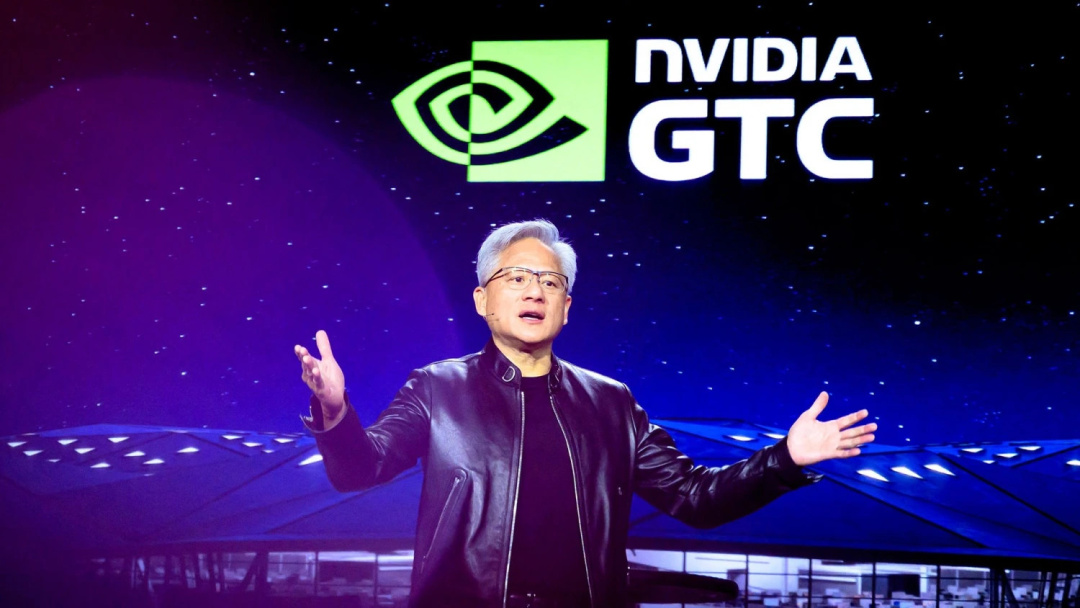
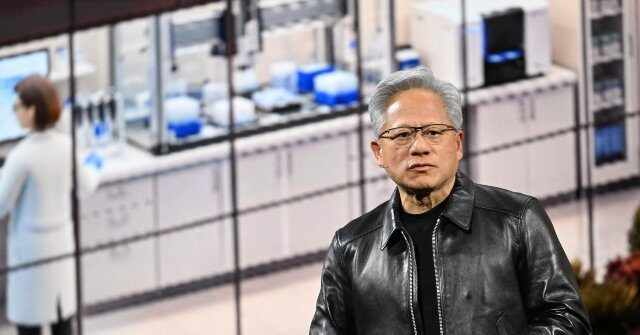
Nvidia has announced the reinstatement of Jensen Huang as its president and CEO, a position he briefly vacated just 11 days prior. Huang's resignation was prompted by a series of scandals, notably an alleged extramarital relationship with a woman identified as a suspected Chinese spy. The board's decision to reinstate him reflects a commitment to continuity in leadership during a tumultuous period for the company.
The allegations surrounding Huang have raised significant concerns regarding corporate governance and the potential implications for Nvidia's operations in the global market. Huang, who co-founded Nvidia in 1993, has been instrumental in the company's rise as a leader in graphics processing technology and artificial intelligence.
In the wake of these events, Nvidia's board has expressed confidence in Huang's ability to lead the company through these challenges. The reinstatement is seen as a strategic move to reassure investors and stakeholders of the company's stability and direction.
Huang's Strategy for Future Challenges
As Nvidia continues to navigate the complexities of the tech industry, the focus will be on how Huang addresses the fallout from the allegations and what measures will be implemented to prevent similar issues in the future. The situation underscores the delicate balance between personal conduct and professional responsibilities in high-stakes corporate environments.
Clearance Granted
The implications of Huang's reinstatement extend beyond Nvidia itself, as they may influence perceptions of leadership accountability in the tech sector. As companies face increasing scrutiny over executive behavior, the outcomes of such scandals can have lasting effects on corporate reputations and investor confidence.
Moving forward, Nvidia's leadership will need to focus on transparency and ethical governance to mitigate any potential damage from the recent controversies. The tech industry as a whole may also need to reflect on the standards it sets for its leaders, particularly in an era where personal conduct is under greater public examination.