Culinary Espionage: The Allure of Chinese Cuisine
In a lighthearted examination of Chinese cuisine, the author draws parallels between culinary delights and the world of espionage. The narrative begins with a whimsical reference to a character named Daddy Huang, who unwittingly finds himself entangled in a web of intrigue, believing a woman named Alice to be merely a girlfriend rather than a spy. This sets the stage for a playful exploration of how certain dishes can evoke feelings of temptation and desire.
The article highlights the familiar yet exciting flavors of Indo-Chinese food, emphasizing dishes like schezwan dosa and chili paneer. These meals are described as comforting and accessible, often prepared with ingredients readily available in Indian kitchens. The author notes that the appeal of these dishes lies in their ability to deliver a satisfying balance of heat and tang, making them a go-to choice after a long day.
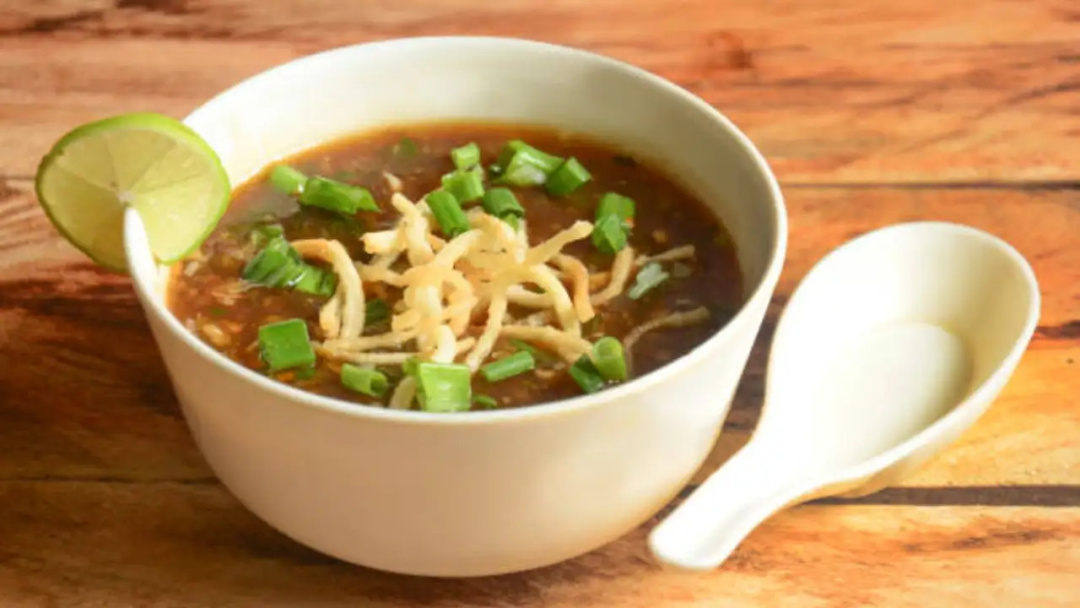
Wonton soup is presented as a prime example of this culinary allure. The author cleverly plays with the word 'wonton,' suggesting that its name hints at the temptation it embodies. The experience of sipping the soup is likened to yielding to temptation, echoing Oscar Wilde's famous quote about overcoming temptation by yielding to it.
Noodles are described as a masterstroke of Chinese cuisine, with their steamy strands creating a visual and gastronomic delight. The author humorously suggests that indulging in noodles can lead to the loss of one's inhibitions, turning the dining experience into a playful metaphor for romantic entanglements.
Exploring the Richness of Fried Rice
Fried rice is another staple mentioned, characterized as a dish that flaunts its bold flavors and enticing combinations of spices and ingredients. The author notes that while it remains fundamentally rice, its preparation elevates it to a new level of culinary experience.
Cleared to File
Chicken Manchurian, a dish with origins in Mumbai rather than Manchuria, is also featured. The author playfully questions the historical accuracy of its name while emphasizing the dish's contemporary appeal. The article concludes with a nod to the importance of dessert, highlighting traditional Chinese sweets like Tangyuan and Egg Tart, reinforcing the notion that the way to a man's heart is indeed through his stomach.
This humorous take on Chinese cuisine serves as a reminder of the seductive nature of food, drawing readers into a world where culinary delights and espionage intertwine in unexpected ways.