Ukrainian Sea Drones Attack Russian Corvette in Benghazi
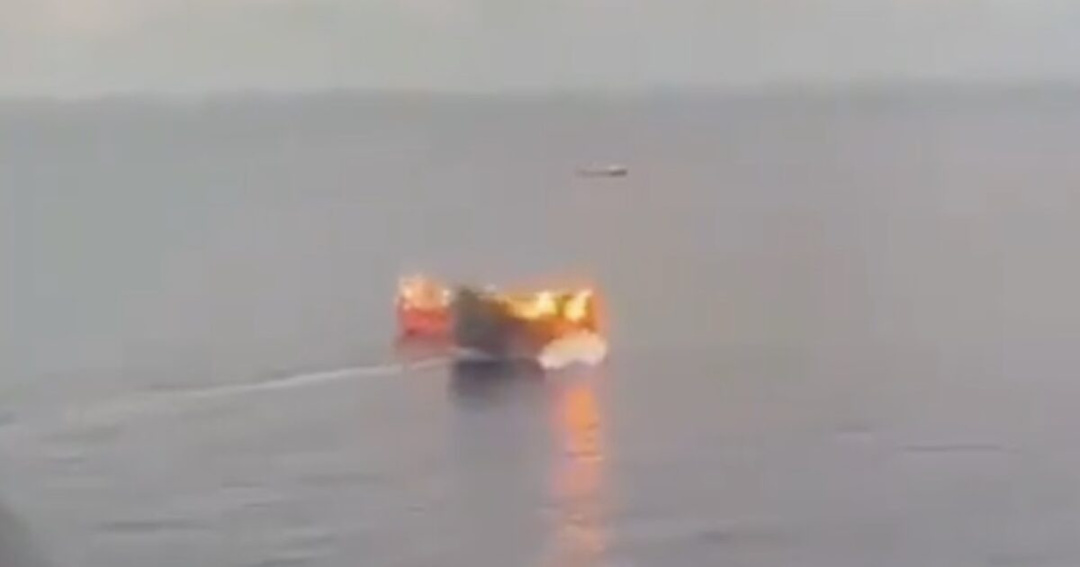
In a significant escalation of military tensions, suspected Ukrainian sea drones targeted a Russian Navy corvette at the Benghazi naval base in eastern Libya on November 22, 2026. The attack resulted in a massive explosion, causing the vessel to capsize and sink, as confirmed by Libya's eastern-based government and satellite imagery.
The corvette, identified as the Merkury, was reportedly docked in Benghazi to refuel and resupply during its return journey to Russia. Following the initial strike, which left the ship largely submerged, Libyan forces intercepted several drone boats in the area. Footage from a Libyan National Army Air Force helicopter captured the moment a Ukrainian surface drone hit a military-linked cargo vessel offshore.
Medical sources reported that ten individuals, including both Russians and Libyans, sustained minor injuries and were treated in Benghazi. The eastern government, aligned with General Khalifa Haftar's Libyan National Army, has called for an international investigation into the drone attacks, expressing concerns about the potential involvement of Ukrainian experts in the region.
Wider Implications of the Drone Attack
The incident has drawn attention to the broader implications of the ongoing conflict in Ukraine, as military operations appear to extend beyond Eastern Europe into North Africa. As the situation develops, the response from Russian authorities remains unclear, with no immediate public statements issued following the attack.
Intelligence Reviewed
The Libyan eastern government has formally requested an investigation from the UN General Assembly and Security Council, seeking clarity on the origins of the drone boats and the activities of any foreign personnel in the country. Prime Minister Osama Hamad emphasized the need for verification regarding the alleged presence of Ukrainian experts, highlighting the complexities of international military engagements in the region.
As tensions continue to rise, the incident underscores the potential for further escalation in military confrontations, raising questions about the future of regional stability and the impact of external influences on local conflicts.