DNI Jay Clayton Defends Trump's Relationship with Putin Amid Media Scrutiny
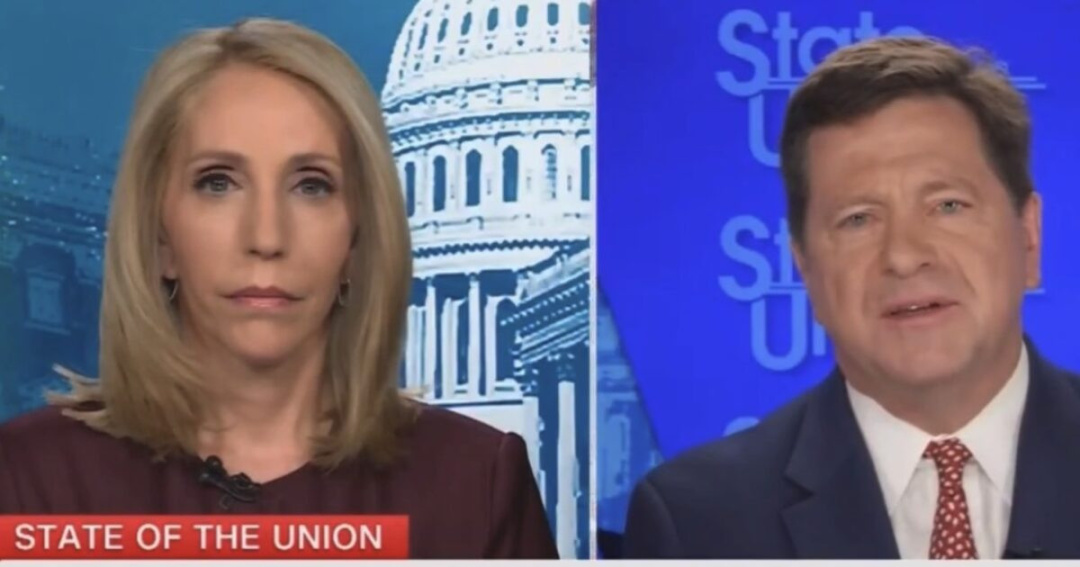
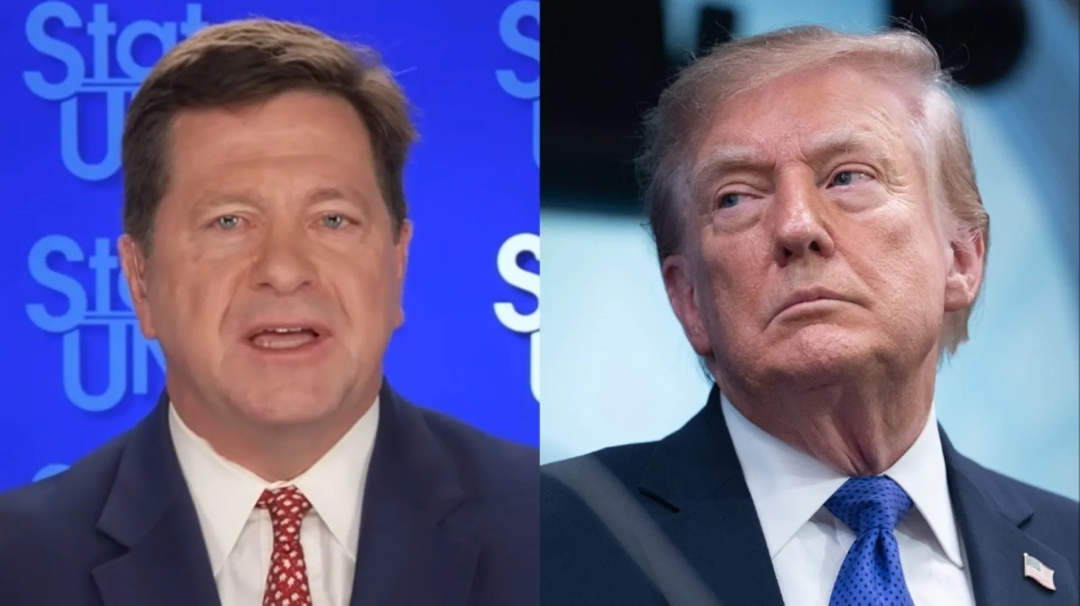
Director of National Intelligence Jay Clayton recently responded to media scrutiny regarding President Trump's relationship with Russian President Vladimir Putin. During appearances on CNN and ABC, Clayton defended Trump's characterization of Putin as a friend, particularly in light of a trilateral meeting involving the leaders of the United States, Russia, and China. This meeting underscored a mutual commitment to preventing nuclear conflict, a point highlighted by the White House.
Trump faced criticism for his friendly remarks about Putin during the APEC Summit in Shenzhen, China, where he met with both Putin and Chinese President Xi Jinping. In a light-hearted moment, Trump referred to Putin as a friend, stating, "We look forward to our meeting. We've had a great relationship for many years, and I think a lot of wonderful things can come out of this."
The backlash from Democrats was swift, with Senate Minority Leader Chuck Schumer condemning Trump's comments as "embarrassing" and "despicable." Schumer emphasized that Senate Democrats would continue to support Ukraine and oppose authoritarian regimes. This sentiment was echoed by various media figures who aligned with Democratic perspectives.
During a news conference, CNN's Kaitlan Collins pressed Trump on his friendly remarks about Putin, questioning whether he viewed Putin as a friend to America. Trump responded by referencing his past dealings with Putin, dismissing the media's portrayal of their relationship as part of a "rigged hoax" perpetuated by Democrats.
Defending Diplomatic Engagement with Russia
Clayton defended Trump's approach, stating that the president's ability to convene the leaders of three nuclear powers was a historic achievement. He emphasized that the language used by the president in this context was appropriate, given the importance of diplomatic dialogue in preventing escalation.
Cleared to File
In a similar vein, Jonathan Karl of ABC attempted to corner Clayton on the same issue, asking if Putin could be considered a friend of the United States. Clayton reiterated the significance of the summit and the commitment to peace among the nuclear powers, asserting that the term "friend" could be contextually appropriate.
Despite Clayton's defense, he acknowledged that Putin is not viewed as a friend in the context of the ongoing conflict in Ukraine. This nuanced position reflects the complexities of international relations and the challenges faced by U.S. diplomacy in a rapidly changing geopolitical landscape.