DNI Clayton Declares Putin Not America's Friend in Ukraine
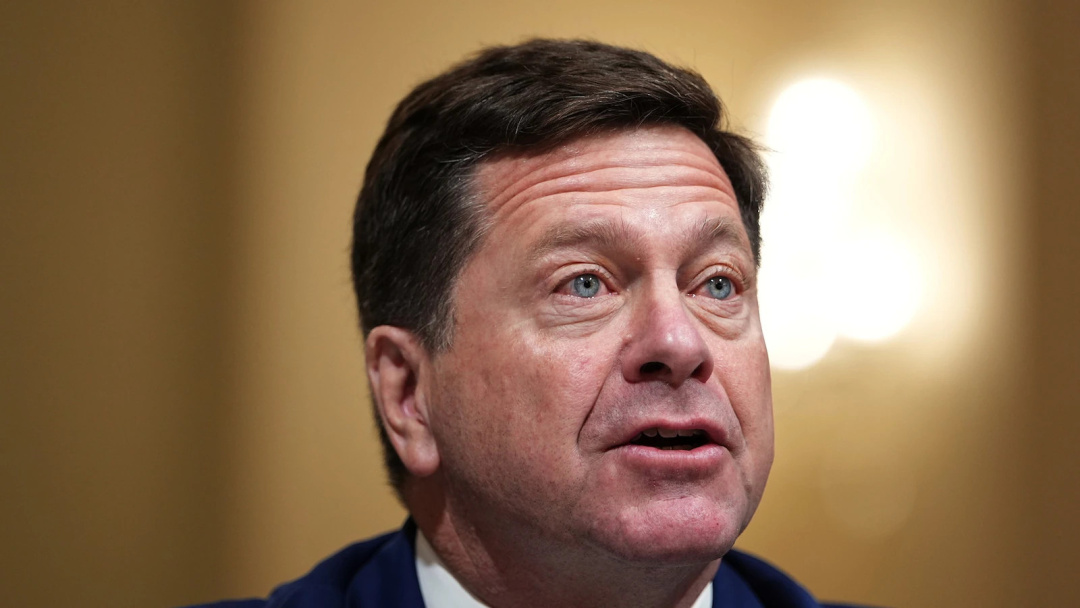
On ABC's "This Week," Director of National Intelligence Jay Clayton discussed President Donald Trump's characterization of Russian President Vladimir Putin as a "friend" during a recent summit. Clayton noted that this term was appropriate in the context of discussions among the three main nuclear powers, but he firmly stated that Putin is not America's friend in Ukraine. Clayton emphasized the importance of recognizing the geopolitical realities surrounding Ukraine and Russia.
When pressed by co-anchor Jonathan Karl about whether Putin is a friend to the U.S., Clayton reiterated his stance, asserting, "He is not America's friend in Ukraine. Not at all. Not at all." This statement comes amid ongoing tensions between the U.S. and Russia, particularly regarding Ukraine's sovereignty and security.
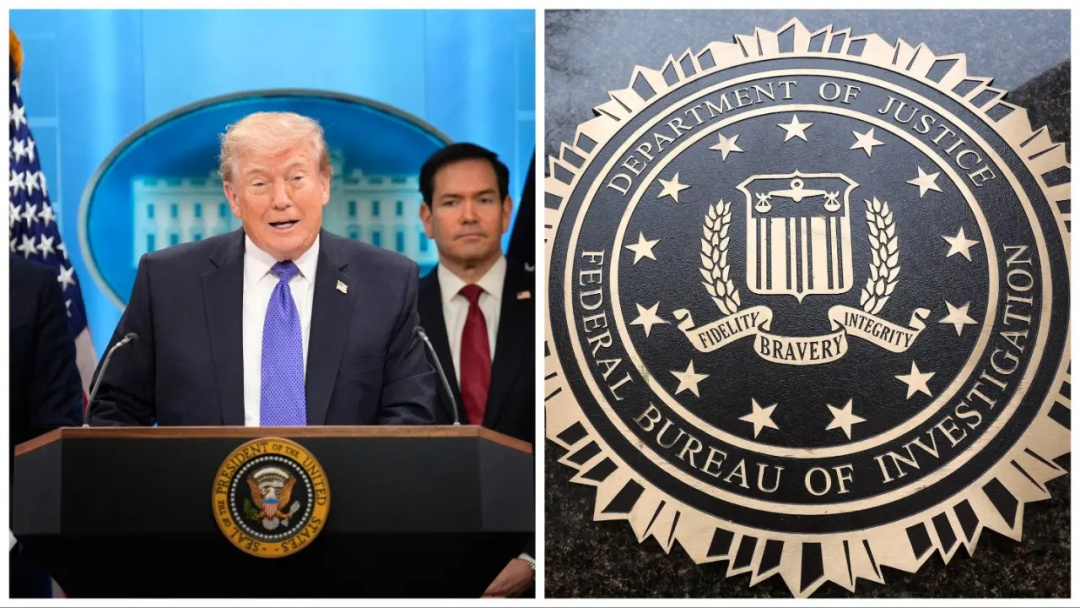
Clayton also addressed the recent cyberattacks that have targeted various U.S. agencies, including the FBI and the Department of Agriculture. He refrained from providing specific details about these incidents but assured viewers that the FBI has capable personnel managing both public and private sector cybersecurity issues. He highlighted the need for transparency and modernization of the U.S. digital infrastructure, which he described as outdated in the face of rapidly evolving technology.
Final Brief
The Director pointed out that the recent outages experienced by several agencies were not coordinated or state-sponsored attacks. He stressed that while there has been an increase in cyberattacks, this is a long-standing issue that requires ongoing attention and improvement in cybersecurity measures. Clayton's comments reflect a broader concern about the vulnerabilities in the U.S. digital landscape and the necessity for upgrades to safeguard against future threats.
As the Trump administration continues to navigate complex international relationships and cybersecurity challenges, Clayton's remarks underscore the critical need for a robust response to both geopolitical tensions and cyber threats. The conversation around these issues remains vital as the U.S. seeks to enhance its national security posture in an increasingly digital world.