House Approves SAVE America Act in National Defense Authorization Bill
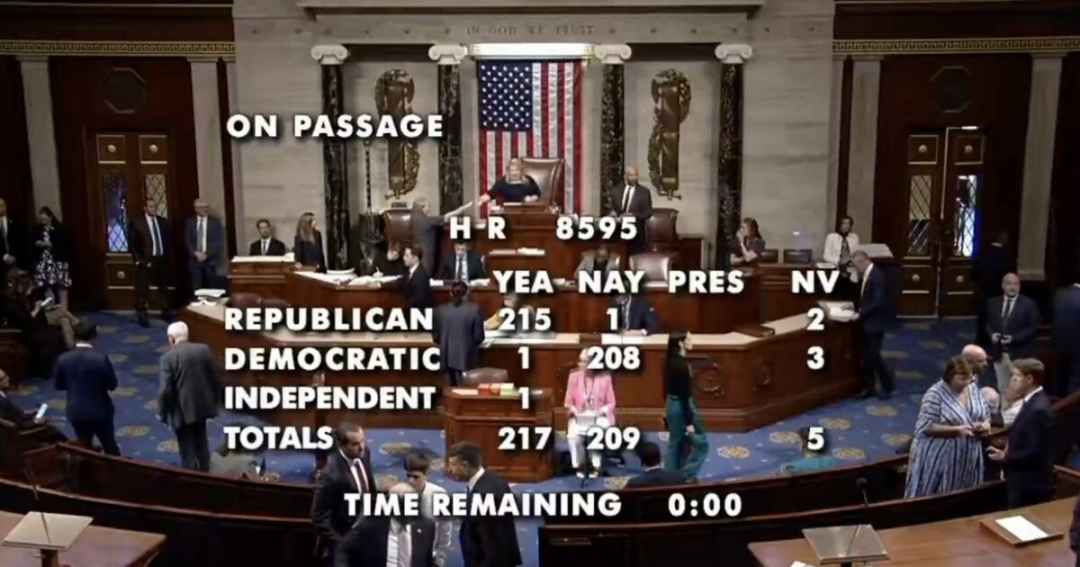
In a significant move for election integrity, the House of Representatives passed the National Defense Authorization Act (NDAA) on Wednesday, which includes the SAVE America Act. The legislation was approved by a narrow margin of 217-209, sending it to the Senate for further consideration. This act is part of President Donald Trump's ongoing efforts to mandate proof of U.S. citizenship for voter registration and to strengthen voter identification requirements in advance of the 2026 midterm elections.
The passage followed weeks of pressure from conservative lawmakers and grassroots activists who urged Speaker Mike Johnson to attach the SAVE America Act to essential legislation rather than allowing it to stall in the Senate. The House first approved a special rules resolution to incorporate the SAVE America Act into the NDAA, overcoming strong opposition from Democrats, all of whom voted against the procedural measure. Only one Republican, Rep. Randy Fine from Florida, joined the Democrats in opposition.
Supporters of the SAVE America Act argue that embedding this election-integrity legislation within must-pass national security legislation would complicate efforts for Senate leadership to disregard the issue. President Trump has consistently prioritized the passage of the SAVE America Act, emphasizing the need for stronger safeguards in federal elections before the next nationwide vote. He has also leveraged other legislative priorities to push for action on this bill.
In the recent vote, Democrat Rep. Jared Golden from Maine and Independent Rep. Kevin Kiley from California supported the measure, while Rep. Thomas Massie from Kentucky was the only Republican to oppose it. Massie is reportedly leading a bipartisan initiative to remove Section 219 from the NDAA, which focuses on integrating U.S. and Israeli defense technology.
As the bill heads to the Senate, Republicans are bracing for procedural challenges, with Senate Democrats already signaling their opposition. The pressure is mounting on Senate Republican leadership to navigate a path forward for this contentious legislation.