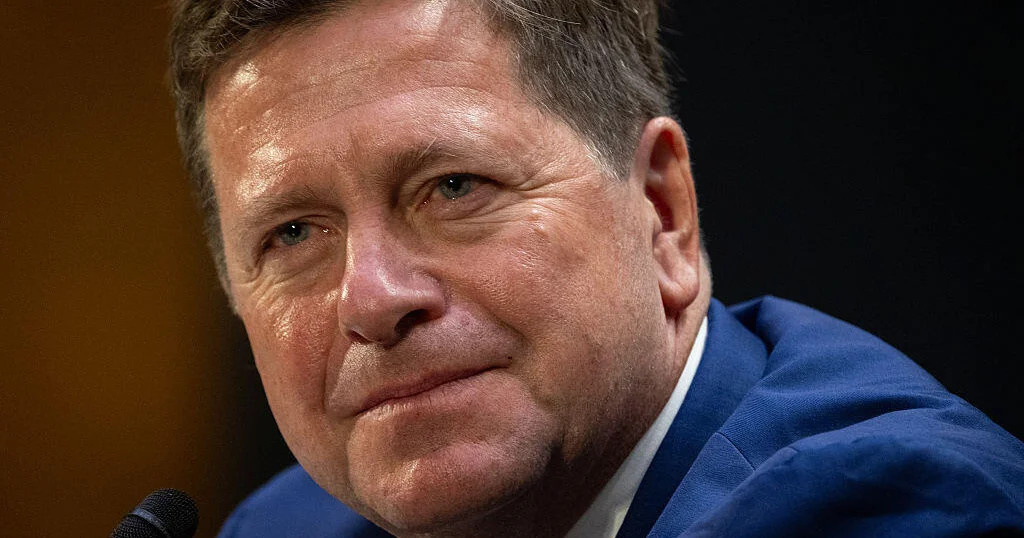
Intelligence Director Nominee Avoids Confirming Biden's 2020 Victory
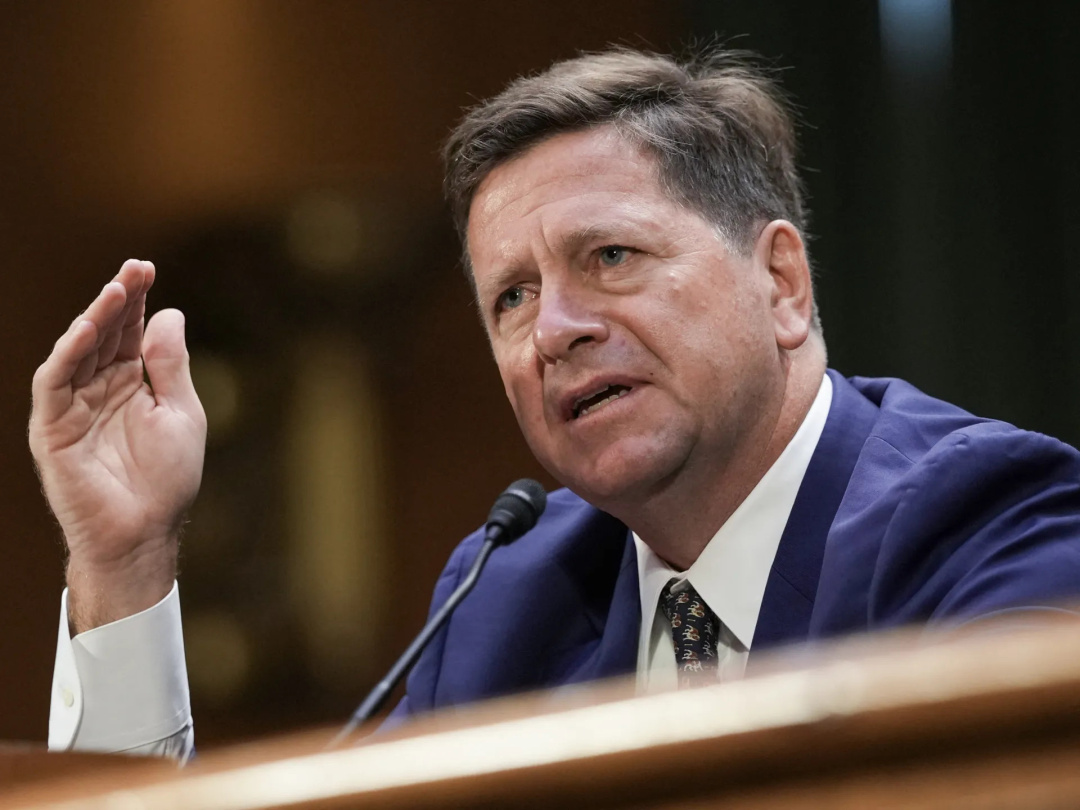
During his confirmation hearing before the Senate Intelligence Committee, Jay Clayton, nominated by President Trump to lead the United States intelligence community, faced intense questioning regarding the 2020 presidential election results. Although Clayton stated that Joe Biden was certified as the winner, he repeatedly avoided directly affirming that Biden won the election. This reluctance drew criticism from senators, particularly Democrats, who expressed concern over Clayton's ability to lead effectively in the intelligence sector amid Trump's persistent, unsubstantiated claims of election fraud.
Senator Jon Ossoff pressed Clayton to clarify his stance, emphasizing the importance of honesty in the confirmation process. Clayton responded defensively, asserting he had already answered the question. Senator Mark Kelly further challenged him, asking why Biden was certified as the winner. Clayton referenced the Electoral College system, stating that Biden had the most electoral votes, but he did not directly confirm that Biden won the election. This exchange highlighted the tension surrounding the issue, as Clayton's responses seemed to reflect a reluctance to contradict Trump, who has never acknowledged his loss in 2020.
Clayton's confirmation is seen as potentially contentious, especially given the backdrop of Trump's claims that the election was stolen. Despite the lack of evidence supporting these assertions, concerns linger that Trump may attempt to leverage federal agencies to promote his narrative. The final electoral count showed Biden with 306 electoral votes compared to Trump's 232, alongside a popular vote margin of over seven million.
Democratic senators voiced their apprehensions about Clayton's ability to maintain independence from Trump, with Senator Kelly arguing that nominees should prioritize U.S. law and ethics, even if it means disagreeing with the president. Senate Majority Leader Chuck Schumer echoed these sentiments, questioning how someone who cannot admit the election results could effectively lead the intelligence community. As the confirmation process unfolds, Clayton's responses may significantly influence his prospects for approval.