Mike Pompeo: U.S. Strategy on Iran Crucial for American Security
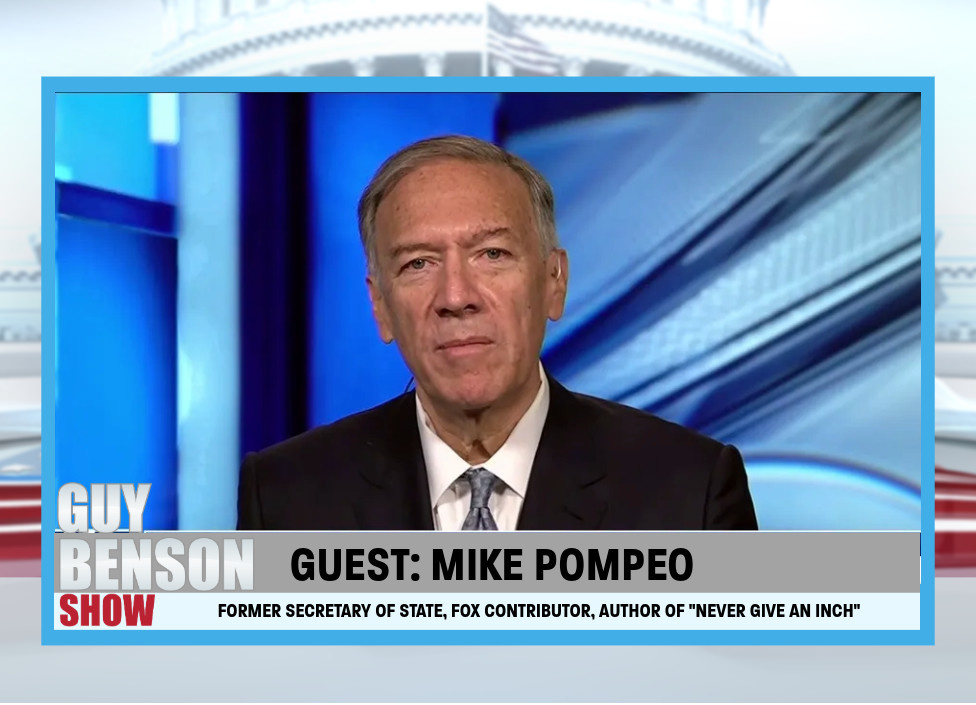
In a recent interview with Guy Benson, former U.S. Secretary of State Mike Pompeo discussed the critical importance of the United States maintaining a firm stance against Iran. He asserted that the current strategy of economic sanctions and diplomatic pressure is vital for the security of Americans and could lead to transformative changes in the Middle East. Pompeo highlighted that the U.S. must not only engage with adversaries like Iran but also ensure that its objectives are clearly communicated during such interactions.
Pompeo noted that President Trump’s approach to foreign leaders, including those from nuclear powers like China and Russia, is essential for advancing American interests. He emphasized that while dialogue is necessary, it is crucial to avoid any moral equivalence between the U.S. and authoritarian regimes. The former Secretary of State pointed out that the U.S. must be clear about its stance on issues that threaten its national security, particularly regarding Iran's nuclear ambitions.
The conversation also touched on the potential for military action against Iran, especially following the midterm elections. Pompeo indicated that while the U.S. and Israel may consider military options, any agreement with Iran must be substantive and not merely a superficial deal. He expressed confidence that President Trump would not accept any agreement that does not effectively prevent Iran from developing nuclear weapons.
Pompeo further elaborated on the economic pressures exerted on Iran, suggesting that the regime is at a crossroads where it must choose between military aggression or negotiating a serious deal. He reiterated that the U.S. must ensure that any agreement includes verifiable measures to prevent Iran from enriching uranium or developing nuclear capabilities.
Impacts of Military Strategy on U.S. Troops
As the discussion shifted to the broader implications of U.S. foreign policy, Pompeo acknowledged the real costs associated with military engagements in the region. He argued that a successful strategy against Iran could ultimately lead to a Middle East where American troops are not needed to fight and die in conflicts. He stressed the importance of maintaining economic sanctions and ensuring that other nations do not engage in trade with Iran that undermines U.S. efforts.
Intelligence Reviewed
Pompeo also addressed the ongoing challenges posed by Iran's actions in the region, including attacks on shipping and military facilities. He warned that Iran's aggressive behavior necessitates a strong response from the U.S. and its allies to reestablish deterrence. He emphasized that the U.S. must work collaboratively with Gulf states and other allies to counter Iran's influence and ensure regional stability.
In conclusion, Pompeo's insights reflect a commitment to a robust U.S. foreign policy that prioritizes national security and the prevention of nuclear proliferation. He remains optimistic that with the right strategies in place, the U.S. can achieve a lasting peace in the Middle East without further military interventions.