FBI Reports North Korean Hackers Steal Over $400 Million via Fake Video Calls
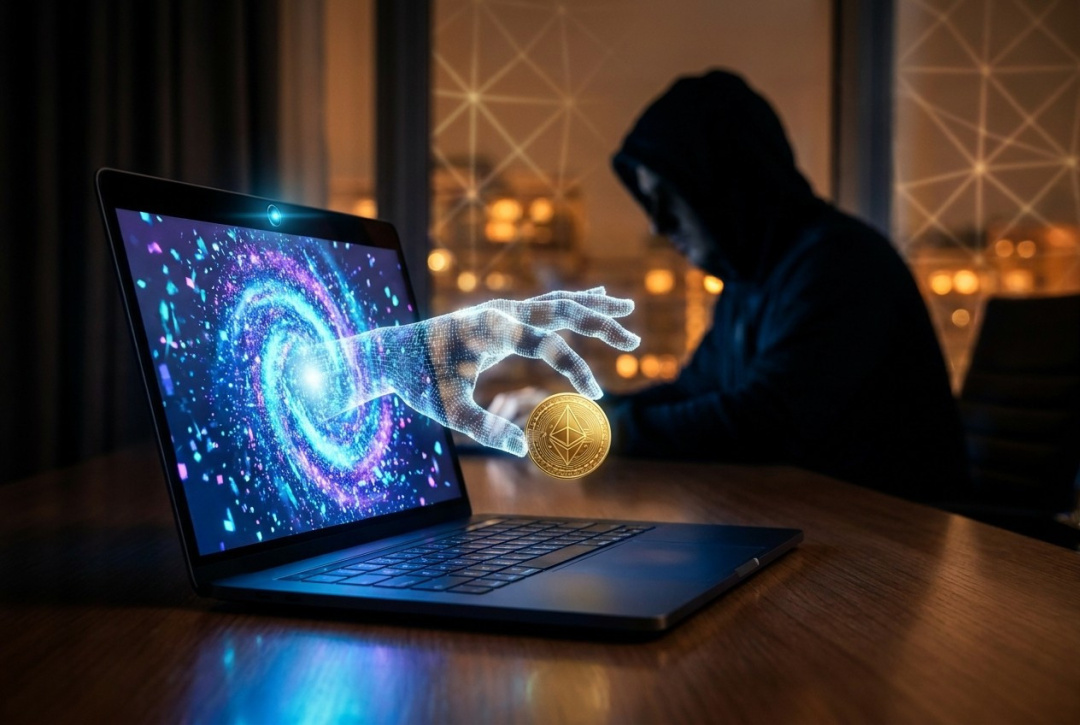
The FBI has attributed a significant cyber theft to a group of North Korean hackers known as Sapphire Sleet, or UNC1069. According to an advisory released on November 12, these hackers have stolen more than $400 million in cryptocurrency over the past 18 months by employing a scheme that involves secretly recording video images of individuals and using those images to target their contacts.
The advisory highlights that the North Korean regime relies heavily on proceeds from large-scale cryptocurrency theft to fund its illicit weapons programs, having stolen billions of dollars in recent years. An FBI cyber director noted that the FaceStealer scheme utilized highly tailored and hard-to-detect techniques against both companies and individuals within the cryptocurrency and Web3 industries.
Victims were lured into video calls from what appeared to be genuine contacts, whose social media and communication accounts had been compromised. The hackers recorded these individuals without their knowledge and then used their images to create a deceptive environment for further attacks.
The FBI detailed a process where targets were directed to video meetings hosted on imposter platforms controlled by the hackers, which included fake versions of popular video conferencing tools like Zoom. Once the hackers gained access to a victim's accounts, they would then use the stolen identities to approach the victim's contacts, perpetuating the cycle of deception.
Exploitation of AI in Cyber Deception
In connection with the investigation, the FBI identified and seized over 900 victim webcam videos. The hackers have increasingly turned to artificial intelligence to generate deepfake videos of well-known figures in the cryptocurrency and blockchain sectors, using these AI-generated videos to establish trust with their targets.
Final Assessment
The FBI's advisory emphasized the importance of being cautious regarding unsolicited or unusual video meeting invitations and links. The U.S. Department of Justice has stated that it disrupted a fake video call scheme used by North Korean hackers to steal substantial amounts of cryptocurrency.
This incident is part of a broader trend of North Korea-linked cyber thefts, with the FBI noting that North Korean hackers have been responsible for approximately 76% of global cryptocurrency hack losses in 2026. The advisory serves as a warning to individuals and companies in the cryptocurrency sector to remain vigilant against such sophisticated cyber threats.