Kirsten Davies Appointed as New U.S. Cybersecurity Chief Amid Tech Failures
The White House has appointed Kirsten Davies as the new cybersecurity chief of the United States, replacing Sean Cairncross, who was dismissed amid a backdrop of significant technology failures. This decision follows a series of widespread outages that disrupted air travel, banking, and national security systems, prompting scrutiny of the Trump administration's handling of these incidents.
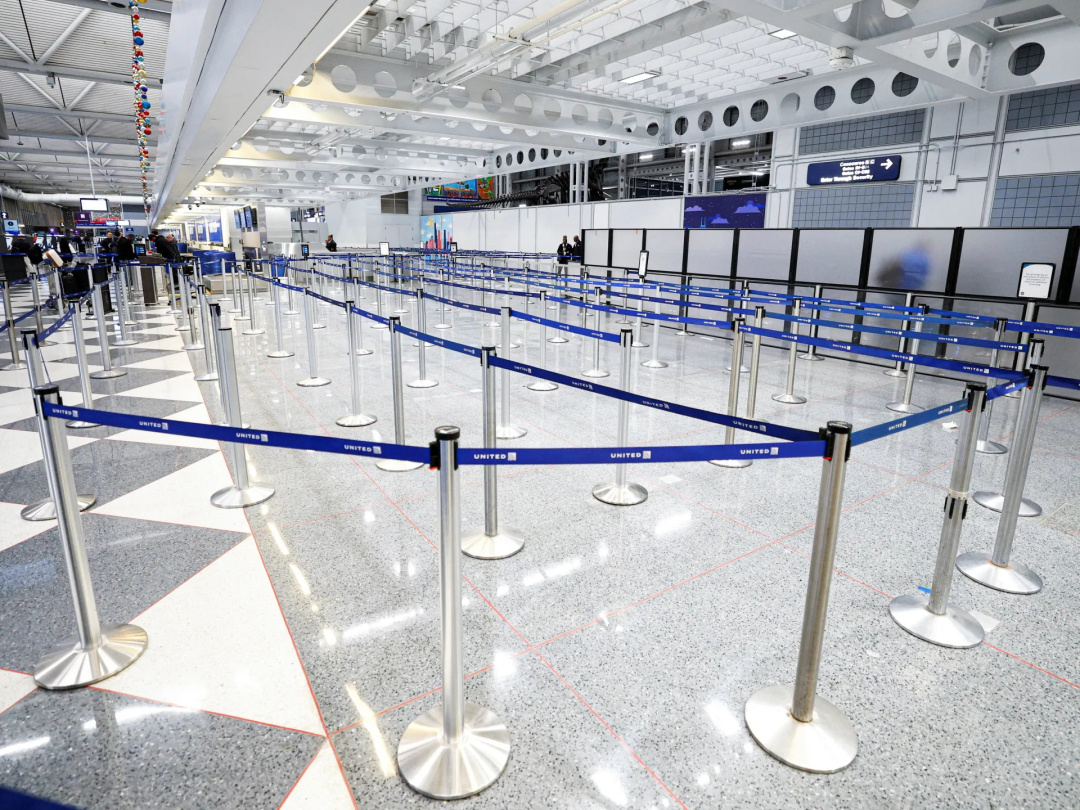
Davies, who previously served as the chief information officer at the Department of Defense, takes on this critical role as the nation grapples with the implications of recent disruptions. Notably, a communications failure grounded all flights in the U.S. for approximately four hours, leading to over 10,000 flight cancellations and an estimated loss of $1.9 billion for travelers, according to the Anderson Economic Group.
In addition to the aviation crisis, Microsoft faced backlash after server failures resulted in outages affecting governments, businesses, and individuals globally. Furthermore, customers of JPMorgan Chase reported issues accessing banking services due to a technical problem that impacted transactions with other banks. These incidents have reignited discussions about the vulnerabilities inherent in the nation's critical infrastructure, which increasingly relies on modern technology.
Davies' Vision for Cyber Defense Modernization
In a statement on social media, Davies emphasized the importance of modernizing the nation's cyber defenses and building resilience into the systems that underpin American life. She expressed optimism about the U.S. having the potential to dominate the cyber landscape for generations, contingent on efforts to enhance cybersecurity and cultivate talent in the field.
Filed & Cleared
Despite the chaos, U.S. officials have clarified that the outages were not the result of a cyberattack. Jay Clayton, the Director of National Intelligence, indicated that the disruptions were likely linked to organizations utilizing artificial intelligence for maintenance updates and security fixes. This perspective highlights the complex interplay between technological advancements and the security of critical infrastructure.
As Davies steps into her new role, the focus will be on addressing these vulnerabilities and ensuring that the U.S. is better prepared for future challenges in the cybersecurity domain.