UK Cybersecurity Operation Secures Thousands of Refrigeration Units
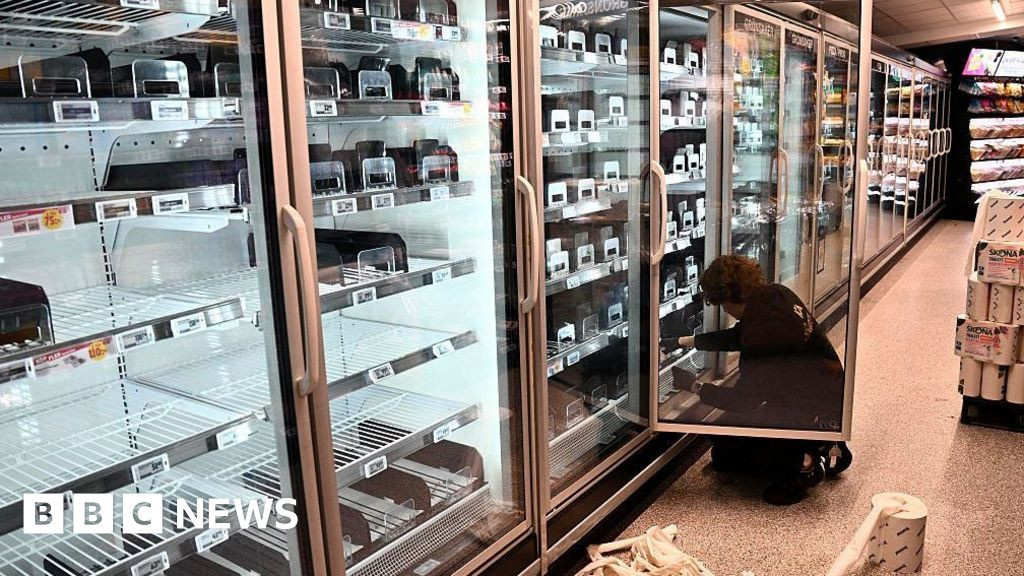
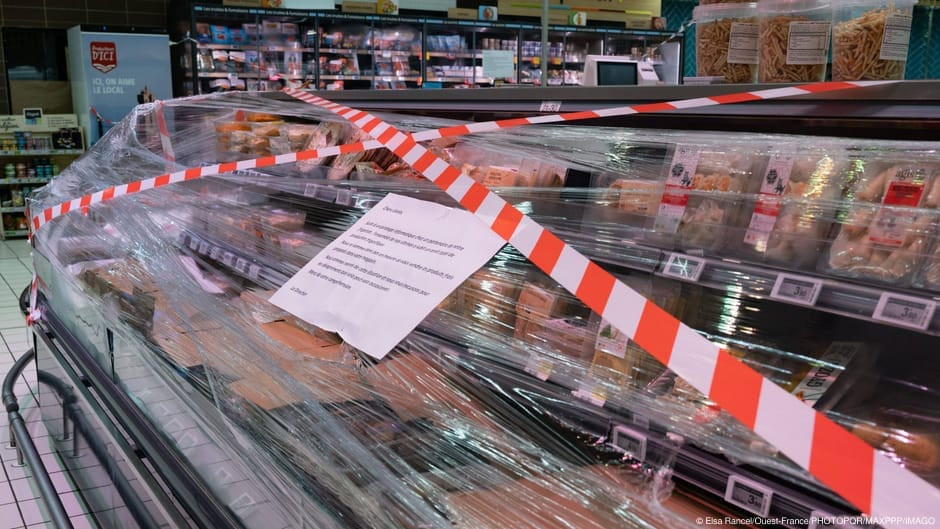
A covert cyber-security operation has been conducted to secure tens of thousands of fridges and freezers at major UK supermarkets, warehouses, restaurants, petrol stations, and stadiums from potential hacking threats. This initiative comes in response to recent waves of cyber-attacks in Europe that have led to significant food spoilage and financial losses, with France attributing some of these attacks to Iranian hackers, a claim that Tehran denies.
Initially, it was believed that the UK had largely avoided such cyber threats due to its reliance on different refrigeration devices. However, a significant vulnerability was identified that could have resulted in severe damage had it been exploited by hackers. In late October, security researchers uncovered a major flaw, prompting urgent action from various stakeholders in the industry.
The National Cyber Security Centre (NCSC), along with the Department for Environment, Food & Rural Affairs (Defra) and the Food Standards Agency (FSA), coordinated efforts to mitigate the risks. They organized industry conference calls and directed teams to contact companies that were at risk. Thousands of devices controlling refrigeration units were taken offline, either remotely or physically, with staff instructed to disconnect internet cables and monitor temperatures manually.
According to an employee from one major supermarket chain, the operation felt like a race against time, as they anticipated further hacking attempts. The employee noted that hundreds of devices were taken offline daily over the course of a week, emphasizing the potential devastation that could have occurred due to business interruptions and supply chain issues. The warehouses contained millions of pounds worth of food that could have been spoiled if hackers had exploited the vulnerability.
Background on Recent Hacking Incidents
The operation was prompted by three waves of hacks targeting refrigeration temperature controllers earlier in the year. An expert from Omega Solutions, a refrigeration consultancy, conducted a security examination of popular refrigeration controllers used in the UK, manufactured by Resource Data Management (RDM). While RDM disputes the severity of the vulnerabilities identified, they have been commended for their proactive response to address the concerns raised by security experts.
In addition to supermarkets, other sectors within the UK food and beverage industry, including convenience stores, petrol stations, and restaurants, were also alerted to the potential risks. Experts highlighted that the controllers had similar weak password issues as those involved in previous successful hacks, necessitating immediate action to prevent exploitation.
Filed & Cleared
RDM has stated that comparisons to the units attacked in mainland Europe are not entirely fair, as hacking their fridges and freezers would require physical access to the hardware. However, ethical hackers have pointed out that the necessary hardware could be easily obtained online. RDM confirmed that there was no evidence of malicious activity on their controllers and that they are continuing to collaborate with the NCSC and other authorities to monitor the situation.
The operation underscores the increasing focus on cybersecurity within the food supply chain, as the potential for cyber threats continues to grow. As retailers adapt to these challenges, the importance of securing critical infrastructure becomes ever more apparent.