MEA Dismisses US Court Summonses to NSA Ajit Doval as Baseless
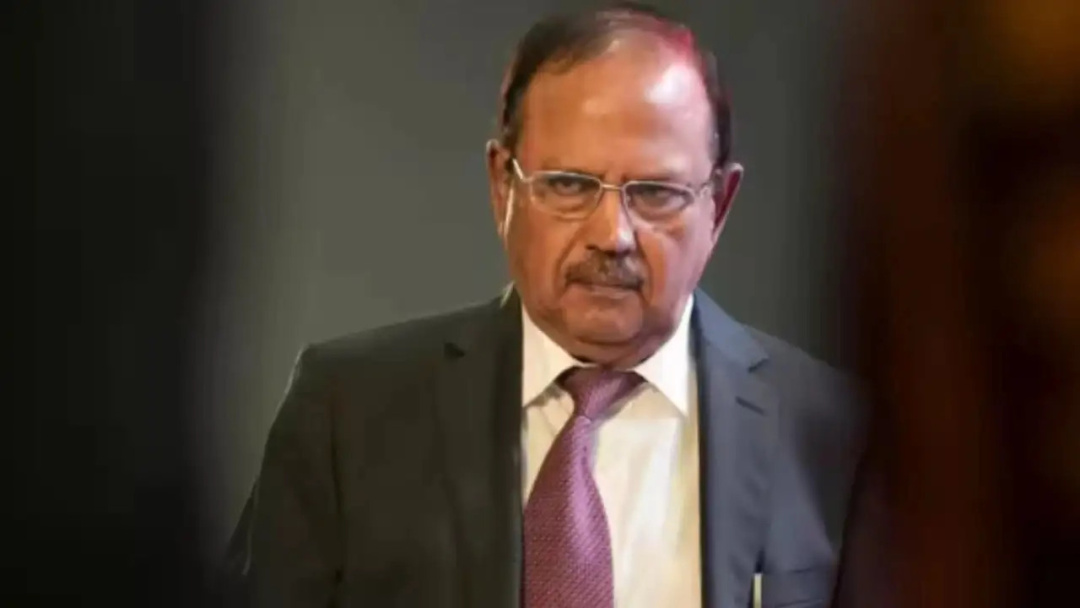
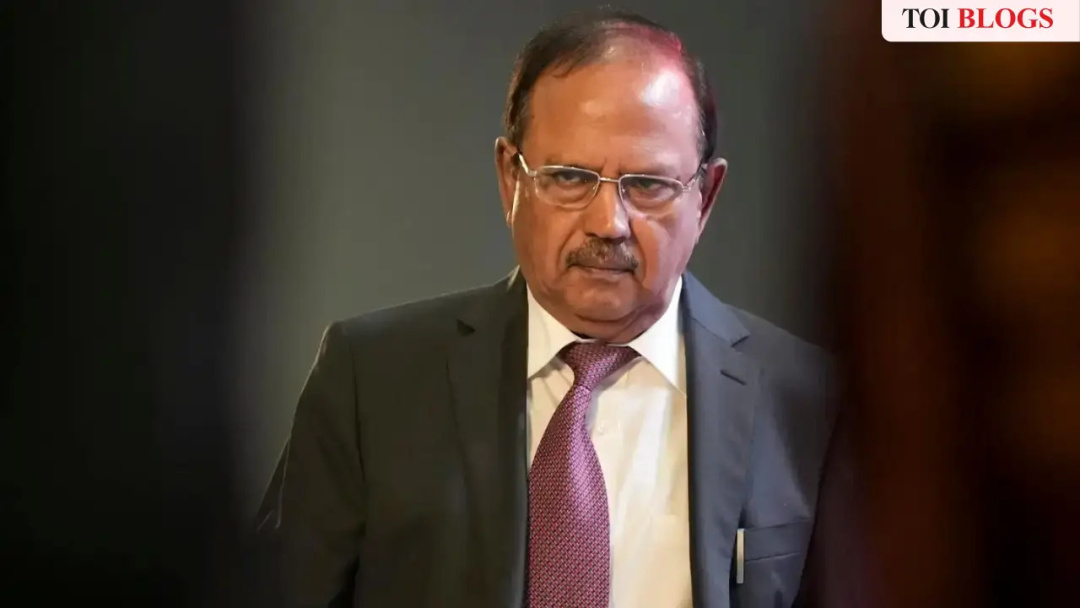
The Ministry of External Affairs (MEA) has firmly rejected US court summonses directed at National Security Adviser Ajit Doval and former Research and Analysis Wing (RAW) chief Samant Goel. This response comes in light of a civil lawsuit initiated by the pro-Khalistan organization Sikhs for Justice (SFJ). MEA spokesperson Randhir Jaiswal stated, "We reject such baseless lawsuits," emphasizing the lack of validity in the claims made against the Indian officials.
A US district court had attempted to serve these summonses through India's central authority under the Hague Convention, but the request was denied. Consequently, the court authorized alternative service methods, directing that the summonses be delivered through three district courts in Delhi: Patiala House, Dwarka, and Tis Hazari. The court's order, issued by Judge Katherine Polk Failla of the Southern District of New York, indicated that the documents could be sent via international mail or courier.
The MEA clarified that the summonses are not legally binding and characterized the court's actions as a routine procedural step. This is not the first instance of SFJ filing lawsuits against Indian political figures in the US; a similar case occurred in 2013 when former Prime Minister Manmohan Singh was served with a civil summons related to allegations of human rights violations during the 1984 anti-Sikh riots.
The MEA's dismissal of the summonses reflects India's stance on such legal actions, asserting that they are unfounded and lack substantive merit. The ministry's position underscores the complexities involved in international legal matters, particularly those that intersect with national security issues.
Legal Implications and International Relations
As the situation unfolds, it raises questions about the implications of such lawsuits on India-US relations and the broader context of international law. The MEA's rejection of the summonses highlights India's commitment to defending its officials against what it perceives as unwarranted legal challenges. This incident may also influence future interactions between the two nations, particularly in matters concerning national security and diplomatic immunity.
Final Assessment
In conclusion, the MEA's response to the US court summonses serves as a clear indication of India's position on the legal challenges posed by foreign entities. The ministry's firm stance reinforces the notion that such lawsuits will not deter India's national security apparatus from functioning effectively. As both countries navigate these complex legal waters, the outcome may have lasting effects on diplomatic relations and international legal precedents.