Sri Lanka's Immigration Bill Receives Parliamentary Approval
The Immigration Bill in Sri Lanka, aimed at modernizing the immigration system, has received approval from the Parliamentary Sectoral Oversight Committee on National Security, Justice, and Civil Security. This approval was granted with amendments as stipulated by the Supreme Court. The decision was made during a committee meeting chaired by Member of Parliament Mr. Najith Indika on November 18. The bill is set to repeal the Immigrants and Emigrants Act and the Passports and Exit Permits Act of 1971, establishing a new legal framework.
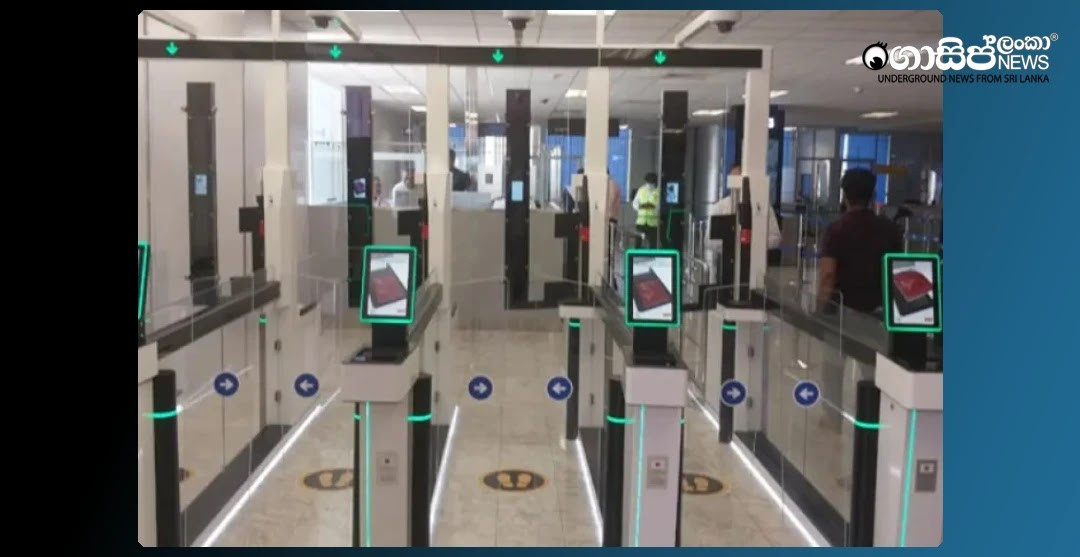
A significant feature of the bill is the introduction of an automated electronic gate system, known as 'E-Gates', which will facilitate immigration clearance without the need for physical passport stamping. Additionally, the bill includes legal safeguards for the collection and storage of biometric data, aligning with the Personal Data Protection Act.
During the committee meeting, officials confirmed that the amendments required by the Supreme Court, in response to legal challenges, have been incorporated into the proposed legislation. The bill also addresses visa provisions for foreign nationals married to Sri Lankan citizens.
Strengthening National Security Measures
The draft legislation proposes enhanced powers for national security, allowing members of the armed forces and the Coast Guard to prevent illegal entry into Sri Lanka when necessary. These powers can be conferred through a Gazette notification issued by the President upon the Minister's request.
Final Brief
Moreover, the new law permits legal action against individuals involved in human trafficking and organized crimes abroad, even if they have legally departed Sri Lanka. Trials for such offenses will be conducted in the High Court.
The bill also aims to update various official titles within the immigration system, replacing 'Controller' and 'Deputy Controller' with 'Controller General' and 'Additional Controller General'. The Sectoral Oversight Committee has approved the bill, contingent upon the necessary amendments being made during the parliamentary committee stage.