Concerns Raised Over Bill C-22 Amendments at Senate Committee Hearing

Michael Geist, a law professor at the University of Ottawa, recently testified before the Standing Senate Committee on National Security, Defence and Veterans Affairs regarding Bill C-22, the government's lawful access legislation. He expressed concerns about the balance between effective police powers and privacy rights, a topic he has engaged with for over two decades. Geist noted that while Bill C-22 has seen improvements, further amendments are essential to address ongoing issues.
One major concern is the provision for metadata retention, which was initially set at one year but later reduced to six months. Geist argued that this provision remains constitutionally vulnerable and lacks sufficient justification. He pointed out that while metadata does not reveal message content, it can provide significant insights into individuals' communications and activities. He referenced the Court of Justice of the European Union's stance that indiscriminate retention of such data is unjustifiable in the context of crime prevention.
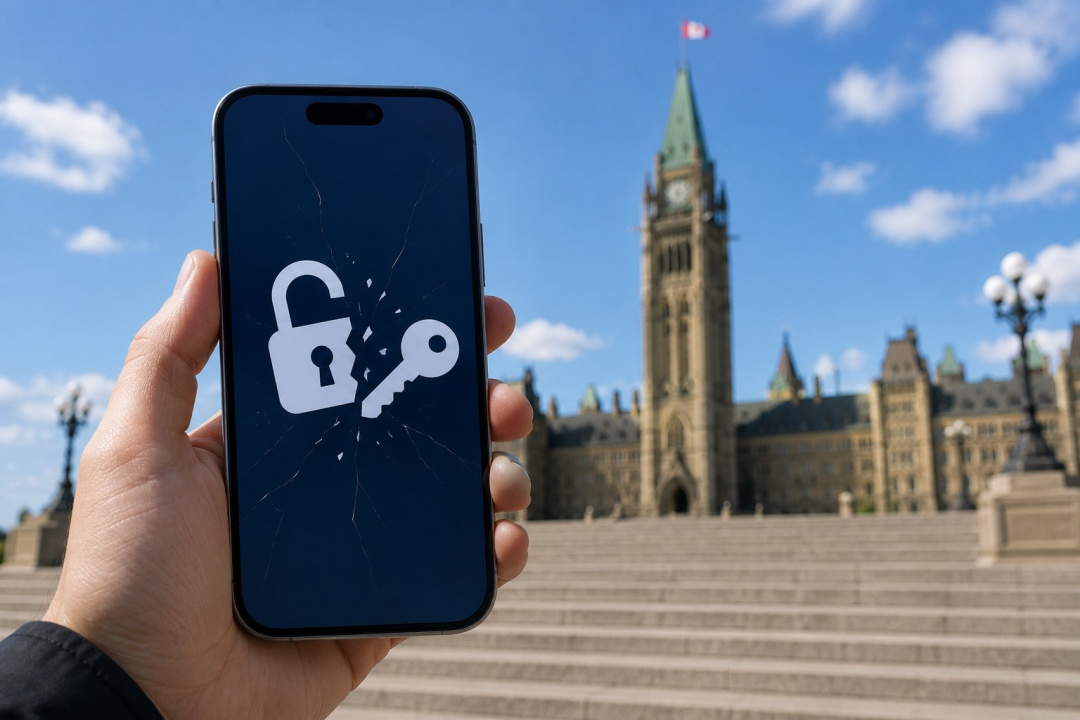
Another critical issue raised by Geist pertains to encryption. Although recent amendments have limited the technical capabilities that can be mandated, he warned that the current definitions could still allow for the weakening of encryption standards. He emphasized that compromising encryption could lead to broader security risks, as evidenced by past incidents like the Salt Typhoon hack. Geist urged that the bill should explicitly prohibit any regulations that would require service providers to weaken encryption.
Intelligence Reviewed
Geist concluded that the proposed changes would not hinder law enforcement effectiveness but rather ensure that privacy rights are respected and public trust is maintained. He looks forward to further discussions on these vital issues as the committee continues its review of the bill.