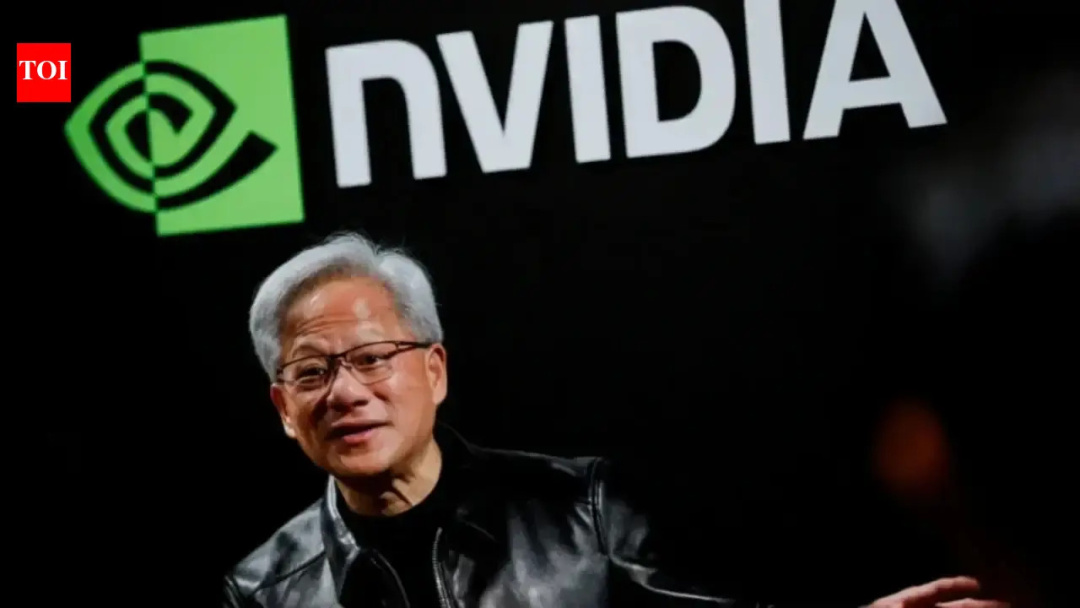
Nvidia Faces Leadership Crisis as CEO Resigns Amid Espionage Allegations

Nvidia's stock has experienced a significant decline, dropping over 30% following the abrupt resignation of CEO Jensen Huang on November 12, 2026. Huang's departure was linked to a scandal involving multiple extramarital affairs, including a reported relationship with a businesswoman suspected of having ties to Chinese espionage. This scandal has raised concerns about national security and the implications for Nvidia, a key player in the semiconductor industry.
The fallout from Huang's resignation has been swift, with Nvidia's shares experiencing a sharp decline, including a 12.75% drop in a single week. The rapid succession of events, from rumors of Huang's affairs surfacing on November 8 and 9 to his resignation just days later, left investors scrambling to reassess the company's value. As a result, Nvidia's market capitalization fell below $4 trillion for the first time since July 2025, erasing hundreds of billions of dollars in shareholder value.
In response to Huang's resignation, Nvidia's board appointed Colette Kress, the company's CFO since 2013, as interim CEO. Kress will oversee the company's operations while the board searches for a permanent replacement. The leadership change comes at a critical time, as Nvidia's next earnings report is scheduled for November 17, 2026.
Broader Impact on Semiconductor Supply Chain
The implications of Huang's resignation extend beyond Nvidia itself. The company's supply chain is closely linked to Taiwan Semiconductor Manufacturing Company (TSMC) and ASML, both of which have also faced selling pressure in the wake of the scandal. Analysts have noted that while the situation presents challenges, it may also offer opportunities for investors, as TSMC and ASML hold crucial positions in the semiconductor supply chain.
Case Closed
The national security aspect of the scandal adds further complexity to Nvidia's situation. Congressional scrutiny regarding the company's export controls and chip sales to restricted markets was already intensifying prior to Huang's resignation. The revelation of his personal relationship with someone suspected of espionage ties is likely to accelerate this scrutiny, raising questions about Nvidia's governance and oversight.
As Kress takes the helm, she will need to manage not only the company's financial performance but also its relationships with analysts and customers, all while navigating the board's succession process. The semiconductor industry is facing increased regulatory scrutiny, and Nvidia's leadership crisis may have lasting effects on its operations and reputation.