Equinor Faces Cyberattack Amid Rising Threats to Energy Sector
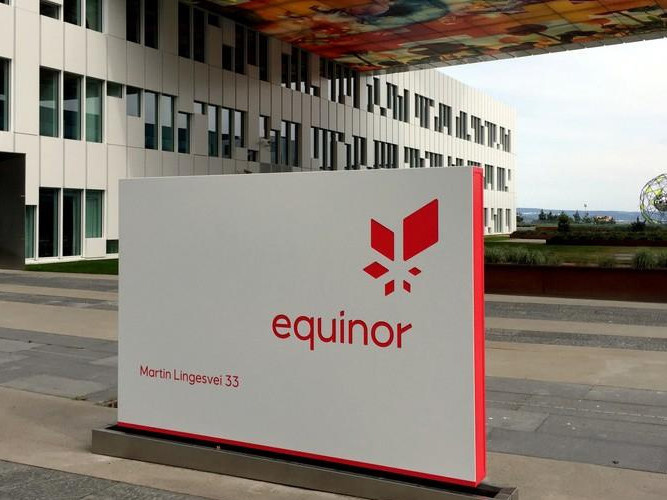
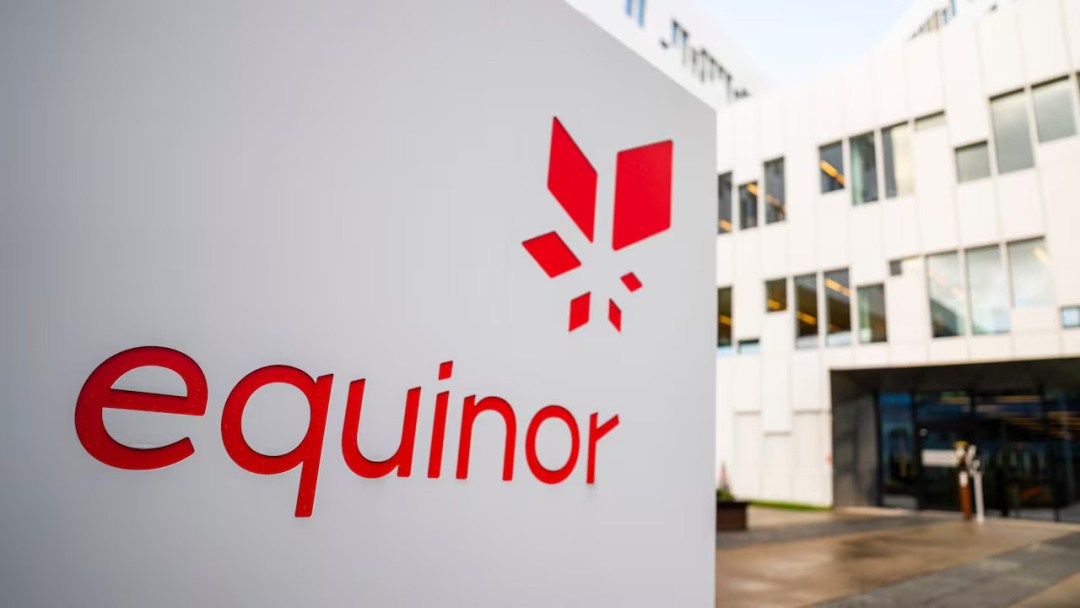
Equinor, the largest supplier of pipeline gas to Europe, is currently engaged in a battle against a cyberattack on its IT systems. This attack comes at a time when European gas prices are nearly triple what they were last year, exacerbated by the ongoing Hormuz crisis. The FBI recently issued a warning regarding state-aligned hackers and criminals utilizing AI-powered tools to infiltrate corporate networks in under three hours. In the past two years, hackers associated with Russia and Iran have executed various attacks, including opening a valve at a Norwegian dam and damaging controls at over 30 Polish wind and solar farms.
According to Check Point, there has been a nearly 70% increase in attacks on U.S. utilities in the first eight months of 2024 compared to the same period in 2023. By May, U.S. energy and utility companies were reportedly facing around 1,755 attacks weekly. Dragos has identified 119 ransomware groups targeting industrial companies, a significant rise from 80 the previous year.
Equinor announced that it has identified the method of the attack and the systems affected. The company clarified that this is not a virus and cannot propagate further. Fortunately, there has been no data theft or impact on oil and gas production, although it remains uncertain how long it will take to restore its systems.
Norway's National Security Authority raised its cyber threat level to the second-highest tier in October, indicating that hackers have already infiltrated the country's energy infrastructure. In April 2025, pro-Russian hackers took control of a hydropower dam in Norway, opening a valve for four hours, as reported by the head of Norway's domestic intelligence service.
In December 2025, hackers linked to the Russian state targeted Poland's energy system, attacking multiple wind and solar farms and a significant combined heat-and-power plant. The Polish national cyber emergency team, CERT Polska, attributed this attack to the Russian group Berserk Bear, while ESET and Dragos connected it to Sandworm, a military unit responsible for previous attacks on Ukraine's power grid.
Pro-Russian hacktivist groups have also targeted energy infrastructure across the West. In December 2025, 26 Western security agencies warned that groups such as Cyber Army of Russia Reborn and Sector16 had breached poorly secured industrial equipment in various sectors, including energy and water. The U.S. Justice Department has indicated that the Kremlin financially supports Cyber Army of Russia Reborn's DDoS-for-hire services.
Iran's Role in Cyber Threats to Energy
Iran has been implicated in cyberattacks through both state units and criminal hackers. U.S. agencies have reported that Iranian state hackers are targeting internet-connected controllers used by U.S. water and energy providers. Some attacks have involved rewriting controller logic to disable critical safety functions. Additionally, hackers suspected of being linked to Iran have breached gas station tank gauges across several U.S. states, altering fuel readings.
Criminal gangs have also targeted energy companies for financial gain. The Qilin ransomware group claimed to have stolen nearly a terabyte of data from Romania's oil pipeline operator, although the company stated that oil transport was unaffected. The Gentlemen group encrypted systems at Romania's largest coal-fired power producer in December 2025, highlighting the lucrative nature of access to energy companies on criminal forums.
The International Monetary Fund has warned that AI is making cyberattacks more efficient and dangerous. The FBI reported that an AI tool known as ARTEX has been used against multiple sectors since at least August. Recent reports indicate that hackers are employing AI agents to identify vulnerabilities and launch attacks autonomously, marking a significant shift in cyber warfare tactics.
Filed & Cleared
Despite the increasing sophistication of these attacks, many have exploited existing vulnerabilities. Weak passwords and poorly secured systems have been identified as significant factors contributing to the success of these cyber intrusions. Experts have noted that the barriers to executing such attacks have diminished, with time becoming the primary constraint for adversaries.
Equinor continues to collaborate with Norway's national security authorities to manage the ongoing cyberattack, the source of which has not yet been disclosed. As the threat landscape evolves, the energy sector remains on high alert for potential future attacks.