DNI Jay Clayton Confirms Recent Service Outages Not State-Sponsored Attacks
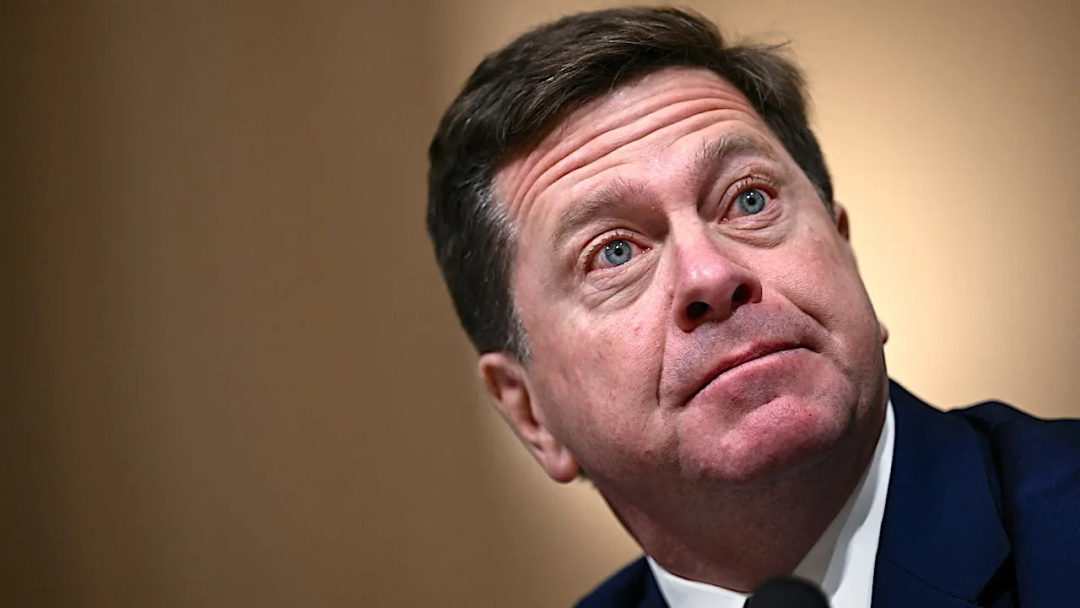
Director of National Intelligence Jay Clayton addressed the House Homeland Security Committee, clarifying that recent service outages affecting U.S. systems were not the result of coordinated foreign cyberattacks. Instead, he attributed these disruptions to routine technical and maintenance issues. Clayton's testimony came during a hearing focused on national security threats, where he also highlighted the increasing sophistication of cyber threats due to advancements in artificial intelligence.
Clayton stated, "Based on what we know today, after a great deal of digital diligence, these are separate service outages associated with maintenance and technical changes. They are not a coordinated or state-sponsored attack." He acknowledged the public's concerns regarding the timing of these outages but reassured lawmakers that intelligence reviews indicated no foreign interference.
In response to questions from Rep. Dan Goldman, D-N.Y., Clayton reiterated that there was no evidence linking the outages to state-sponsored actors. He noted that the rapid evolution of computing technology is creating challenges for legacy systems, which may struggle to keep pace with current demands.
Ongoing Vigilance Against Cyber Threats
The intelligence community remains vigilant, monitoring for any malicious cyber activity targeting U.S. networks. Clayton emphasized the need for continued vigilance in the face of evolving threats, particularly as artificial intelligence reshapes the cybersecurity landscape.
Case Closed
He warned that advancements in AI are fundamentally altering the digital battlefield, increasing the speed and sophistication of both offensive and defensive cyber operations. Clayton urged Congress to maintain critical surveillance authorities, such as Section 702 of the Foreign Intelligence Surveillance Act, which he described as essential for early warnings about foreign threats.
As the hearing concluded, Clayton's remarks underscored the importance of preparedness in an era where technology and national security are increasingly intertwined. He called for ongoing collaboration between government and private sector cybersecurity experts to address the challenges posed by emerging technologies.