NSA Communications Network Disruption Amid Cyberattack on Major Websites
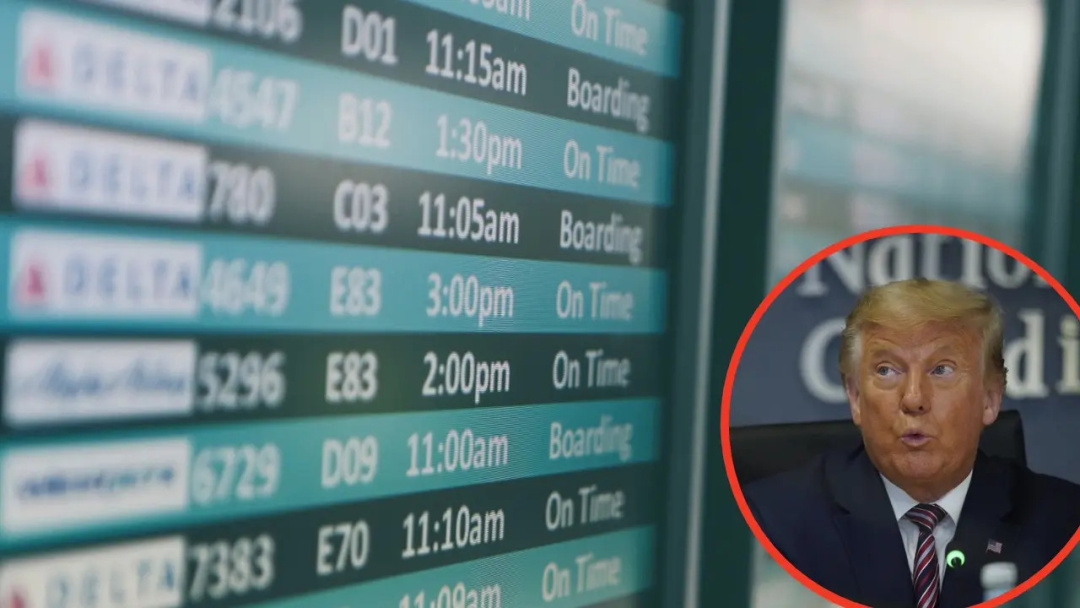
On November 17, a highly classified internal communications network utilized by the National Security Agency (NSA) went offline, prompting the agency to stagger employee arrivals as officials investigated the disruption. This outage occurred against a backdrop of separate technology failures affecting various sectors, including banks and airlines, although investigators have found no evidence linking these incidents.
The network, known as NSANet, is crucial for agency personnel to exchange classified information, including intelligence on threats to national security. Employees were instructed to stagger their arrivals due to what sources described as a heightened security threat. The agency is working to restore service, but a definitive cause for the outage has not been publicly identified.
A White House spokesperson stated that there is no evidence suggesting this incident was a cyberattack, assuring the public that there is no crisis for Americans to worry about. Reports indicate that the outage may have resulted from a software update intended to patch the system, and that the interruption is expected to be temporary. However, this account has not been independently confirmed.
During the outage, officials maintained that redundant systems were in place to ensure that urgent intelligence could still reach President Trump, who was traveling in Asia at the time. Current and former officials confirmed that multiple backup networks remained operational, allowing for the continuation of critical communications.
Broader Cyber Campaign Unfolds During Outage
The disruption coincided with a broader cyber campaign that reportedly inserted malicious code into tools used by 178 organizations, including major websites like CNN, Zoom, and others. This malicious code was designed to steal cryptocurrency payments and capture credit card details, raising concerns about the security of sensitive information across various platforms.
As the NSA worked to restore its classified network, officials emphasized that the outage did not compromise urgent presidential communications or the intelligence-sharing capabilities of the Five Eyes alliance, which includes the United States, the United Kingdom, Canada, Australia, and New Zealand. However, the simultaneous occurrence of multiple infrastructure failures has drawn scrutiny and concern from various stakeholders.
Final Assessment
In light of these incidents, Homeland Security Secretary Markwayne Mullin suggested that advanced artificial intelligence systems might be overwhelming infrastructure not designed for their speed. He recounted a conversation with a technology professional who attributed cascading failures to the rapid changes introduced by AI systems. Despite these concerns, no evidence has been found linking AI to the NSA network outage or other recent disruptions.
As the situation develops, officials continue to monitor the security landscape and work to restore confidence in the integrity of national security communications. The NSA's efforts to address the outage reflect the ongoing challenges faced by government agencies in safeguarding critical infrastructure against evolving cyber threats.