Daniel Hoffman Discusses Iran's Threats and Cybersecurity Concerns
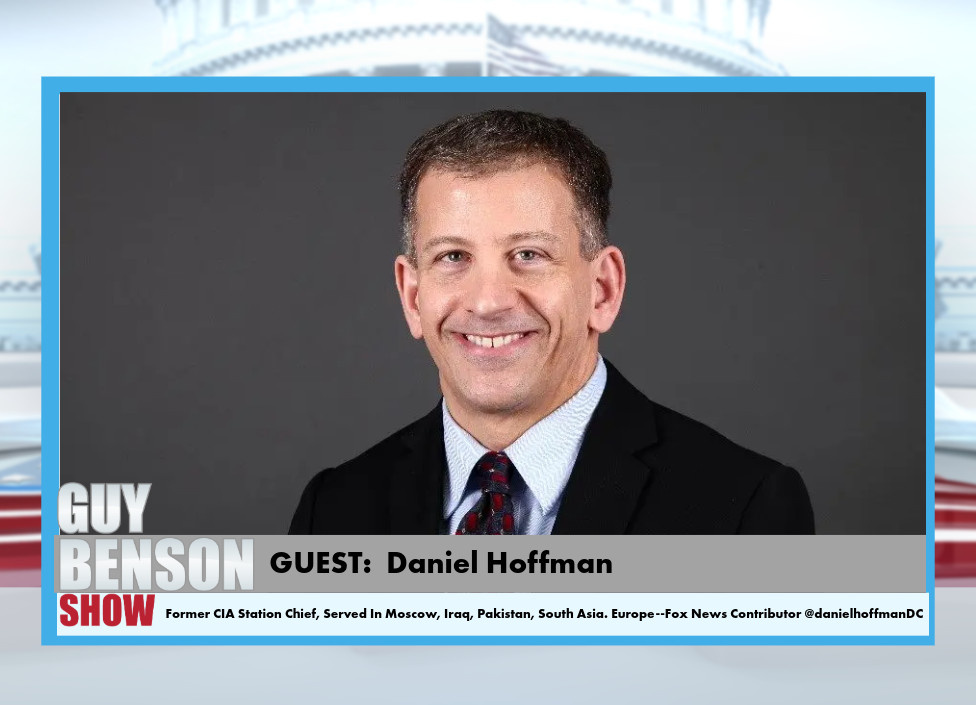
In a recent interview, Daniel Hoffman, a former CIA station chief, discussed alarming U.S. intelligence reports suggesting that Iran is developing plans to potentially detonate a dirty bomb in Washington, D.C. This information, which has sparked concern among officials, indicates that while Iran may be considering such actions, it remains unclear whether they have the capability or intent to execute these plans. Hoffman highlighted the ambiguity surrounding the intelligence, noting that it is crucial for the public to be informed about potential threats to national security.
Hoffman pointed out that the timeline of these plans is unknown, which raises questions about the immediacy of the threat. He noted that Iran has a history of targeting U.S. officials and has been involved in various plots against American interests. The former CIA officer stressed the need for the Director of National Intelligence to provide clear, unclassified information to the public to alleviate concerns and prevent speculation.
The discussion also touched on recent cybersecurity outages affecting major entities, including Microsoft and the FAA. Hoffman remarked that these organizations face constant cyber threats from adversaries such as Iran, Russia, and North Korea. He expressed skepticism about the explanations provided by these entities regarding the outages, suggesting that they may be indicative of deeper security issues.
The Need for Intelligence Transparency
Hoffman emphasized the importance of transparency from intelligence agencies, arguing that a lack of information can lead to public panic and conspiracy theories. He called for the Director of National Intelligence to address the American people directly, providing insights into the nature of the threats and the government's response.
Intelligence Reviewed
As the conversation progressed, Hoffman also mentioned the potential implications of artificial intelligence in cybersecurity, noting that adversaries could exploit AI to enhance their attacks. He cautioned against overreacting to these threats, suggesting that such reactions could play into the hands of adversaries like China, who may seek to undermine U.S. technological advancements.
In conclusion, Hoffman underscored the ongoing conflict with Iran and the necessity for vigilance in the face of evolving threats. He reiterated the need for clear communication from intelligence officials to ensure that the public remains informed and prepared for potential risks.