SEC Launches Investigation into Nvidia Following Jensen Huang's Resignation
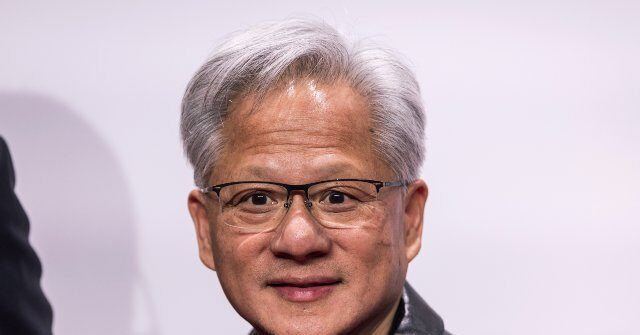
The Securities and Exchange Commission (SEC) has opened a civil investigation into Nvidia, examining whether the company misled investors in its disclosures. This inquiry follows the resignation of CEO Jensen Huang, who stepped down amid revelations of extramarital affairs, including one reportedly with Alice Huang, a suspected Chinese spy. Internal sources indicate that the specific focus of the SEC's inquiry is not yet clear.
Since Huang's departure, Nvidia's shares have plummeted by over 10 percent. Earlier this year, the company denied any unusual relationship between Jensen Huang and Alice Huang, who was an executive at Megaspeed, a Singapore-based data company. U.S. intelligence officials suspect that Alice Huang has ties to China's intelligence services.
In response to the scandal, Nvidia shareholders have filed a lawsuit against the company. The law firm Schall, Brown & Schwartz was the first to investigate Nvidia regarding the allegations. Subsequently, a class-action lawsuit was filed by the Rosen Law Firm, claiming that Huang and Nvidia misled shareholders about the national security implications of his relationship with Alice Huang. The lawsuit alleges that this misinformation artificially inflated Nvidia's stock price, leading to significant losses for investors.
Megaspeed, which utilized Nvidia chips to build AI data centers across Southeast Asia, is suspected of diverting Nvidia products to China. The Commerce Department has been investigating the company since late 2024, and the Justice Department is currently leading multiple investigations involving Alice Huang.
Nvidia Adjusts Sales Practices Amid Scrutiny
In light of these events, Nvidia has altered its disclosure practices regarding international chip sales, removing detailed breakdowns of sales to Singapore, where Megaspeed is located. This change has prompted calls from Congress for further investigations into Nvidia's business operations in Asia.
Concerns have also been raised by Treasury Secretary Scott Bessent, who questioned whether Nvidia knowingly sold powerful chips to China to inflate its earnings. He has demanded answers from the company within the next ten days, emphasizing the need for clarity regarding Nvidia's sales practices.
Clearance Granted
In a statement addressing the scandal, Huang acknowledged his shortcomings, stating, "I did not live up to the standards expected of everyone at Nvidia. I created problems for the Board that I deeply regret. I own my mistakes completely." Despite his resignation, Huang expressed willingness to return to lead Nvidia if the Board of Directors deems it appropriate.
The entanglement of Jensen Huang with a potential spy has become a central issue in the ongoing fallout from his resignation, raising significant questions about Nvidia's corporate governance and its implications for national security.