Recent Disruptions Raise Concerns Over US National Security Systems
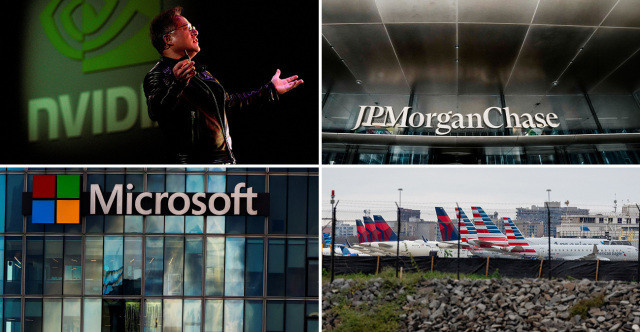
In recent weeks, the United States has faced a series of significant disruptions that have raised concerns about the resilience of its critical infrastructure. The situation began with Nvidia, a key player in the artificial intelligence sector, facing allegations of foreign espionage. This was followed by widespread disruptions in digital communications, grounded flights, and issues with banking transactions, culminating in problems with the National Security Agency's classified internal network on November 17.
Over a 20-day period from October 29 to November 17, various incidents unfolded, particularly intensifying in the final week. The NSA's internal network outage, known as NSA Net, was particularly alarming, as it is used for exchanging classified information. Initial reports did not indicate a cyberattack, and the full impact of the outage remains unclear. However, the incident has prompted questions about the agency's ability to maintain secure communications.
On November 12, Jensen Huang, Nvidia's CEO, resigned amid revelations of personal misconduct that had national security implications. Colette Kress was appointed as interim CEO. Reports suggested that Huang misled executives about his relationship with a Chinese businesswoman, raising concerns about potential espionage. Nvidia has stated that it believes its secrets and national security were not compromised.
The Federal Aviation Administration (FAA) experienced a significant technical issue on November 13, leading to a nationwide halt in flight departures for nearly five hours. The FAA attributed the problem to aging equipment and a surge in connection attempts, but there was no evidence of malicious activity. This incident highlighted how technical failures can disrupt critical infrastructure.
Further Disruptions in Major Airlines and Tech
United Airlines also faced delays on November 16 due to system issues, although the airline reported no cybersecurity concerns. Additionally, Microsoft services experienced outages affecting businesses and public entities, which were attributed to a technical failure during an upgrade.
Case Closed
As these disruptions unfolded, U.S. officials took precautionary measures to protect senior figures amid reports of Iranian threats. On November 13, U.S. Treasury Secretary Scott Bessent was moved to a military base for safety. Reports also surfaced regarding potential Iranian plots against U.S. officials, including threats involving a 'dirty bomb.' While these claims have not been confirmed, they add to the atmosphere of uncertainty surrounding national security.
The incidents occurring over this period illustrate the interconnected nature of corporate governance and national security. As critical functions are concentrated among a few providers, failures can have far-reaching consequences. The U.S. government now faces the challenge of addressing these vulnerabilities while navigating complex geopolitical tensions and ensuring the integrity of its critical infrastructure.