New Export Regulations on Semiconductors Target China, Exempt TikTok's Parent
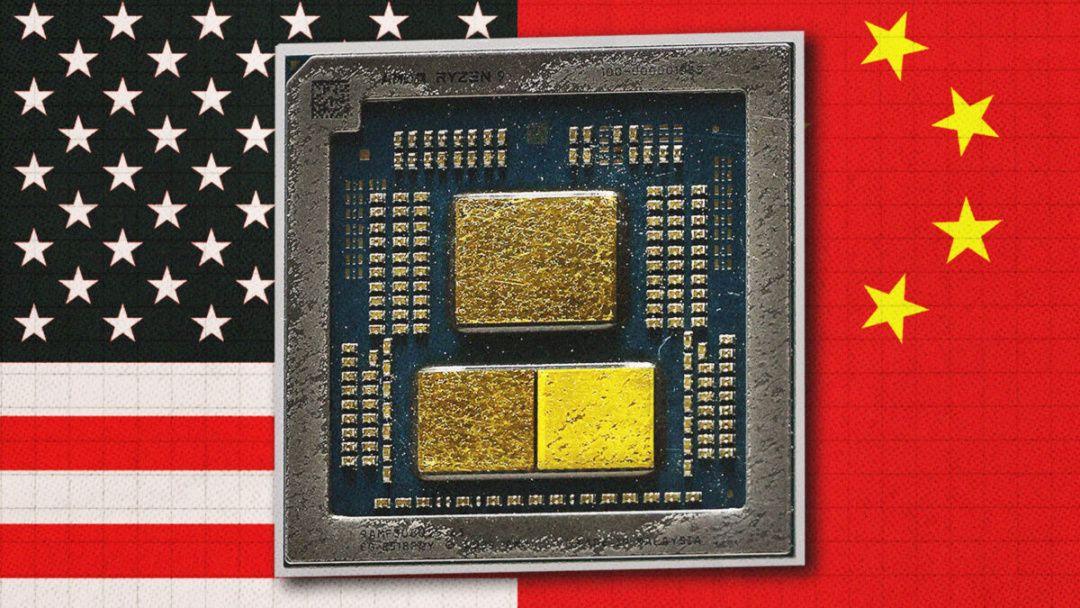
On November 16, the Commerce Department's Bureau of Industry and Security (BIS) announced an interim final rule that establishes new restrictions on the export of advanced semiconductor chips. This rule, directed by the Treasury Department and the National Security Council, aims to limit the ability of countries like China to access critical technology that could enhance their artificial intelligence capabilities.
The new regulations require licenses for exports, reexports, or transfers of semiconductor chips to data centers in countries identified as posing a national security risk, specifically those in Country Group D:5 and Macau. This group includes nations under U.S. arms embargoes, and the rule mandates that any company providing significant computing power to entities in these regions must obtain a license.
Despite the intention to curb China's technological advancements, the rule has drawn criticism for exempting certain commercial recommender systems from licensing requirements. This exemption could allow companies like ByteDance, which owns TikTok, to continue operating without the same scrutiny as other firms, raising questions about the effectiveness of the new regulations in protecting national security.
The BIS believes that the new rule will hinder companies in countries of concern from training AI models using American-made chips. However, previous export controls have largely failed to prevent transshipments to restricted markets, indicating that enforcement may be challenging.
New Compliance Requirements for Exporters
Under the new framework, data centers and chip exporters must conduct thorough due diligence on their customers, particularly regarding ownership or control by individuals from the designated countries. The rule also introduces a presumption of denial for exports to these regions, contrasting with a presumption of approval for countries with more favorable relations with the U.S.
Case Closed
The implications of these regulations extend beyond just semiconductor exports. They reflect a broader strategy by the Trump administration to address national security concerns related to technology and foreign influence. However, critics argue that the complexities of international trade and the interconnected nature of the semiconductor industry could complicate enforcement and compliance.
As the U.S. government seeks to tighten its grip on advanced technology exports, the balance between national security and economic interests remains a contentious issue. The effectiveness of these new regulations will depend on the commitment of both the government and private companies to navigate the evolving landscape of international trade and technology transfer.