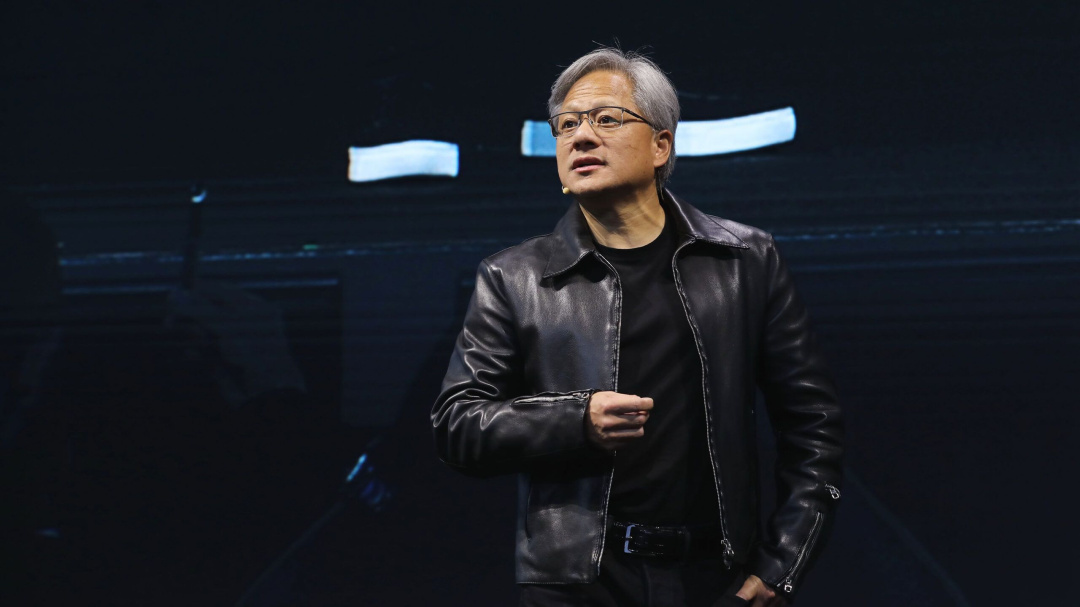
Nvidia's Jensen Huang Allegedly Manipulated Graphics Card Availability
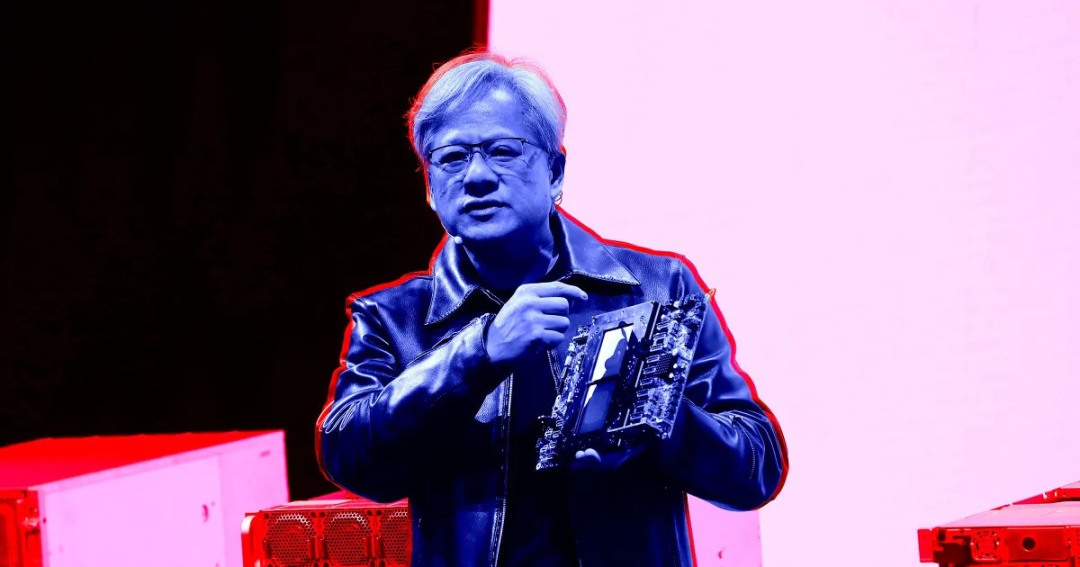
Nvidia CEO Jensen Huang has come under scrutiny as reports suggest he may have manipulated the availability of graphics cards to maintain high prices. Despite an impending surplus of chip components, major cloud providers found Nvidia's hardware increasingly unaffordable, prompting them to seek alternatives. In response to this crisis, Huang reportedly intensified financing deals with smaller cloud providers to build a loyal customer base and manage the growing inventory.
The situation has led to speculation that Nvidia may have artificially inflated its chip prices rather than reducing them as supply increased. This practice, known as artificial scarcity, involves creating an illusion of shortage to justify higher prices and limit competition. Critics have pointed out that Nvidia could be holding a significant amount of its chip sales in warehouses, which raises questions about the company's pricing strategies and market control.
The implications of Huang's actions extend beyond pricing. Economists are concerned about the circular financing practices within the AI industry, where funds are reinvested in ways that benefit Nvidia, potentially inflating its stock prices. As Nvidia continues to dominate the AI chip market, the company faces accusations of monopolistic behavior, leaving customers with few alternatives.
Case Closed
Huang's recent personal scandal, including allegations of infidelity and connections to a Chinese spy, adds another layer of complexity to the situation. Following his announcement of resignation, Nvidia's competitors saw a surge in their stock prices, indicating a potential shift in the market dynamics. Analysts suggest that this could lead to increased competition and a diversification of the supply chain, ultimately benefiting customers in the AI sector.
As Congress prepares to investigate Huang's actions and Nvidia's business practices, the outcome may reshape the landscape of the AI industry. The hearings could provide further insight into the company's operations and the ethical implications of its pricing strategies. Investors and industry observers are closely watching how these developments will unfold and what they mean for the future of AI technology and competition.