Trezor Addresses Security Flaws in Hardware Wallets Following Spy Chip Discovery
Trezor, a prominent hardware wallet manufacturer, has taken drastic measures to enhance security after discovering malicious implants capable of stealing cryptocurrency recovery phrases from devices sold through a third-party distributor. On November 12, the company announced that it had reduced its reseller network by approximately 80% following the identification of compromised Trezor Safe 5 wallets purchased from the Southeast Asian reseller CryptoBilis.
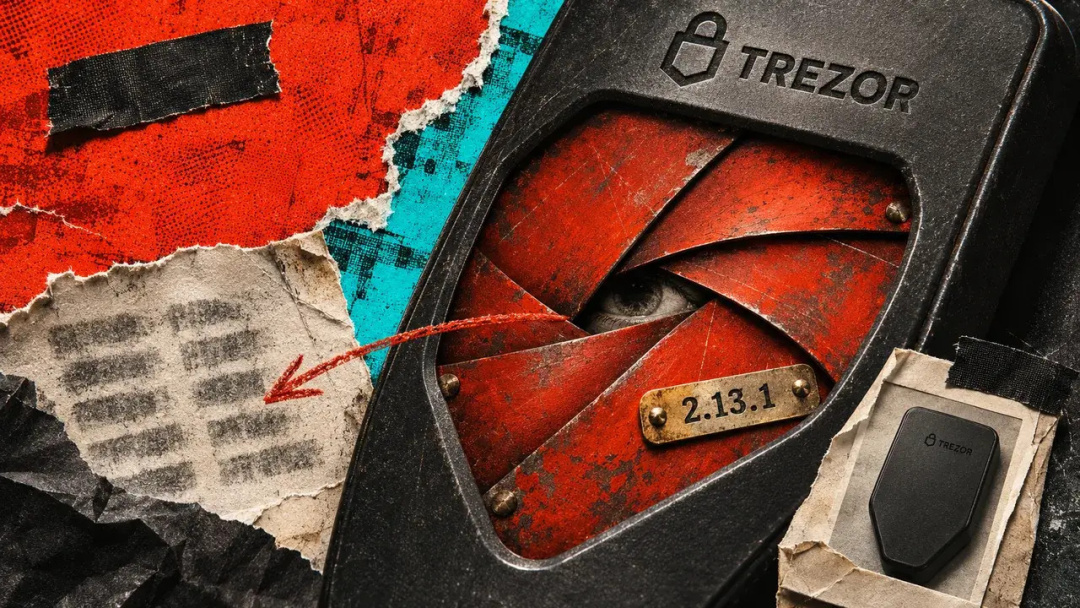
The investigation revealed that three Trezor Safe 5 wallets contained hidden electronic components designed to capture sensitive information and transmit it to attackers. In response, Trezor released firmware version 2.13.1 on November 11, which disables the identified implants. However, the company cautioned that customers whose recovery phrases may have been compromised must transfer their assets to newly created wallets to ensure their security.
This incident follows a supply-chain security breach involving CryptoBilis and Ledger hardware wallets, which has been linked to cryptocurrency thefts exceeding $86 million. Blockchain analytics firm Bitquery traced approximately $102 million in losses across 335 wallets on six different blockchains. While Ledger confirmed the presence of a malicious hardware implant in one of its devices, investigators have not definitively established that the implant was responsible for all reported losses.
The vulnerabilities exposed in this case highlight the risks associated with hardware wallet distribution, where attackers can modify genuine devices before they reach consumers. Trezor identified three compromised Safe 5 devices purchased between August 20 and September 23 through CryptoBilis's online storefronts and direct sales. The company's security team physically examined one device and identified the other two based on photographs provided by their owners.
The attackers had installed an additional circuit board between the wallet's main board and display, allowing the implant to monitor information displayed on the screen without altering the firmware or Secure Element. Trezor's latest firmware update prevents these implants from capturing further data, but it does not invalidate any recovery credentials that attackers may have already obtained.
Trezor's Customer Guidance and Security Measures
As a precaution, Trezor has advised customers who purchased a Trezor from CryptoBilis since March 2026 to create a new wallet with a different recovery phrase and move their funds. The company is also offering eligible customers replacement devices or refunds. During the investigation, Trezor reported that 48 CryptoBilis customers had reached out, but none of the three confirmed implant owners reported losing funds. Investigators found no evidence of similar tampering in devices examined from other resellers.
In light of these events, Trezor is tightening its requirements for how its remaining distributors source, store, and handle devices. The company is collaborating with the cryptocurrency security response group SEAL 911 to further investigate the compromises. The unresolved risk remains for those whose recovery phrases were captured prior to the firmware update, as customers whose credentials were exposed remain vulnerable until they transfer their cryptocurrency to wallets secured by entirely new recovery credentials.
Final Assessment
Trezor's firmware assurance applies specifically to the identified implants, but the diagrams provided do not confirm that every buyer's seed was captured, nor do they prove losses or show completed customer migration. A new seed must accompany the movement of funds to ensure security. The malicious component could capture recovery phrases during wallet setup or restoration, as well as passphrases displayed on the device. It encrypted the information and transmitted it through a mobile network to a server controlled by the attacker. If connectivity was unavailable, the implant stored the data and attempted to transmit it later.
This attack underscores a critical vulnerability in cryptocurrency self-custody; anyone who obtains a wallet's recovery phrase can restore control over its assets without needing the original hardware. Trezor's latest firmware update prevents the identified implants from collecting additional information, but it cannot invalidate recovery credentials that may have already been compromised. Consequently, the manufacturer continues to urge affected customers to take immediate action to secure their assets by creating new wallets with fresh recovery phrases and transferring their funds accordingly.