US Sanctions Bill Targets Major Buyers of Russian Energy with High Tariffs
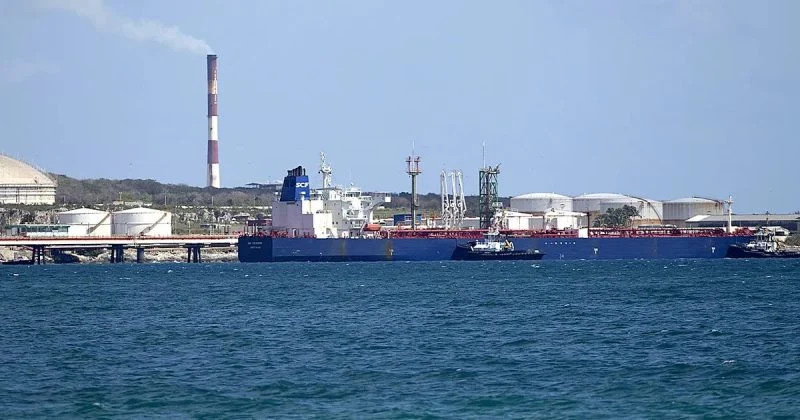
On July 14, a bipartisan group of US senators introduced legislation that could significantly impact global energy markets by imposing tariffs of up to 100% on the top five purchasers of Russian oil and gas, with China and India at the forefront. These two countries collectively accounted for approximately 84% of Russian crude oil purchases as of early 2025, making them critical players in Russia's energy revenue stream.
The proposed tariffs would effectively double the cost of Russian energy for these nations. Previous versions of similar legislation had suggested even higher tariffs, reaching up to 500%, making the current proposal appear more moderate in comparison. In addition to the tariffs, the bill includes measures to penalize entities that facilitate sanctions evasion, targeting shipping companies, banks, and intermediaries that assist in routing Russian oil to market.
This legislation marks a significant escalation from the existing sanctions framework, which has primarily relied on price caps, import bans, and secondary measures since Russia's invasion of Ukraine in 2022. The bipartisan support for this bill reflects a continuation of efforts initiated during the Trump administration, with notable contributions from the late Senator Lindsey Graham, who advocated for punitive measures against nations that continue to support Russia through energy purchases.
Should the bill pass and succeed in deterring purchases of Russian crude by China and India, the global supply dynamics could shift dramatically. A reduction in Russian oil flowing to its largest customers would compel these nations to seek alternative sources, likely intensifying competition for available oil and potentially driving prices higher.
The implications for the cryptocurrency market are also noteworthy. Previous sanctions against Russia have already led to increased activity in digital assets and decentralized finance, as individuals and entities seek to move value outside traditional banking systems. Stricter enforcement against those facilitating sanctions evasion may lead to heightened regulatory scrutiny of cryptocurrencies, possibly resulting in new compliance requirements for exchanges and decentralized finance protocols.
Investors should also be aware of the potential for retaliatory actions from China and India. It is unlikely that these nations will accept 100% tariffs without a response, which could include counter-tariffs, trade restrictions, or accelerated efforts to reduce reliance on the US dollar in international trade.