US Seismologist Detained in China on Espionage Charges
Youlin Chen, a 54-year-old naturalized US citizen and seismologist, has been detained in China for nearly two years on espionage charges. His family recently made his situation public, revealing that he was arrested in Beijing in November 2024 during a personal visit to relatives. Chen's alleged offense involves analyzing seismic data to detect North Korean nuclear tests, work that was publicly funded and contracted by the US State Department.
His family disclosed his detention in July 2026, indicating he has been held for approximately 20 months and is nearing trial. The US State Department has labeled him as 'wrongfully detained,' activating a diplomatic strategy aimed at securing his release. In response, China has maintained that Chen's arrest is in accordance with its domestic laws.
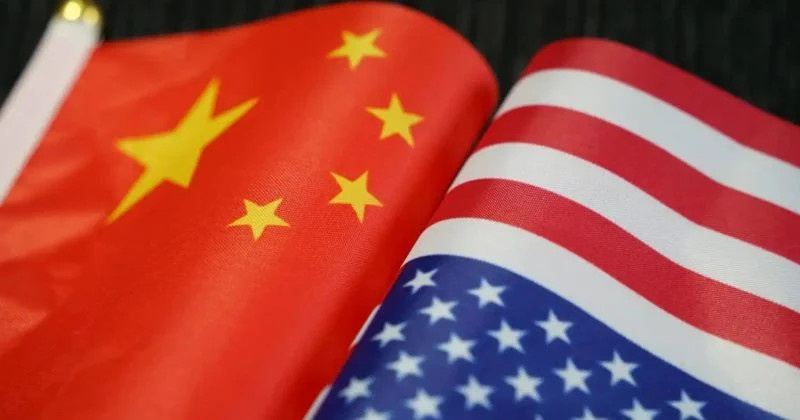
Chen's case reflects a broader trend in which both the US and China increasingly regard scientists and researchers as potential threats to national security. The US previously implemented the 'China Initiative' under the Department of Justice, targeting academics with connections to Chinese institutions. Concurrently, China has tightened its national security laws, making foreign-linked research activities susceptible to espionage allegations.
The involvement of US lawmakers and hostage advocacy groups in advocating for Chen's release underscores the gravity of the situation. His case also raises critical considerations for investors, particularly in the cryptocurrency sector. The potential for governments to detain individuals, freeze assets, or impose restrictions based on evolving definitions of national security highlights the appeal of decentralized financial alternatives.
While China has long prohibited crypto trading and mining, the US is still developing its regulatory framework. Both countries are actively pursuing central bank digital currencies, competing for dominance in the future of digital finance. The implications of Chen's detention extend beyond individual rights, reflecting the complexities of international relations and the evolving landscape of global finance.