IAF Chief Discusses Espionage Threats Including Honeytraps and Cyber Attacks
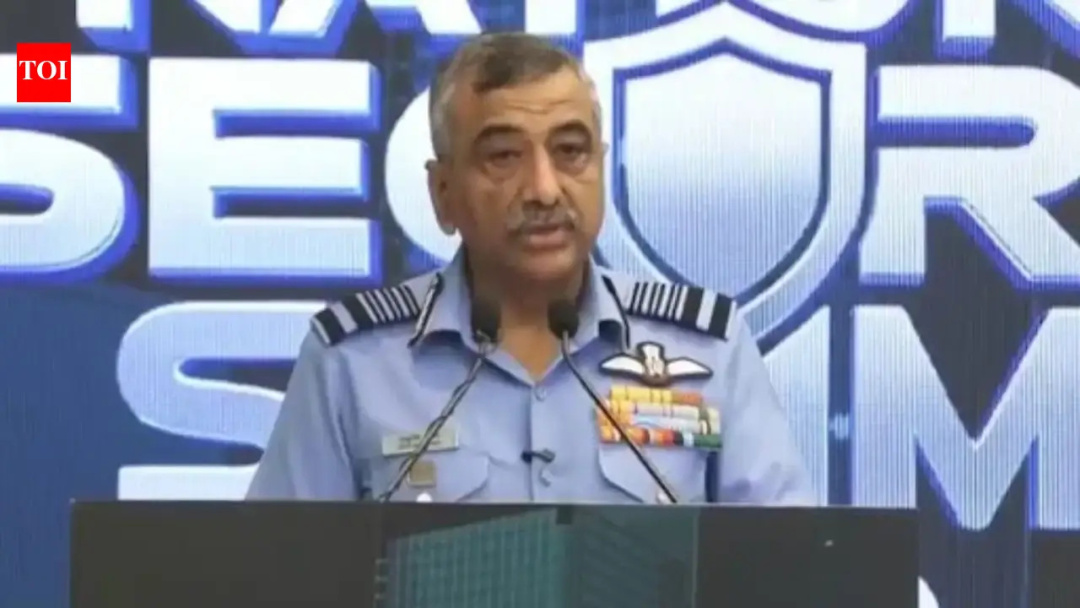
Air Chief Marshal Ashutosh Dixit recently spoke at the ANI National Security Summit, addressing the evolving landscape of espionage threats facing the Indian Air Force (IAF). Following a recent incident involving a senior air force officer targeted by Pakistan-based operatives, Dixit clarified that the issue extends beyond honeytraps to encompass broader cyber espionage concerns. He noted that while honeytraps are a tactic used by foreign intelligence, the primary threat lies in cyber means and other enticing methods aimed at defense personnel.
Dixit explained that the IAF is aware of various threats, including multi-level marketing schemes and loan sharks, which are also active in the espionage arena. He assured that the IAF is closely monitoring these activities and implementing systemic efforts to mitigate risks. The chief highlighted that the IAF's core military communication networks are air-gapped, meaning they are physically isolated from the public internet, which reduces the risk of direct cyber attacks. However, he acknowledged that foreign intelligence operatives are increasingly targeting human operators to exploit vulnerabilities.
In discussing the IAF's technological advancements, Dixit provided updates on the induction timelines for advanced versions of the Tejas fighter aircraft. He stated that the LCA Mark 1A will soon join the IAF, with plans for the LCA Mark 2 to roll out next year. The development of the Advanced Medium Combat Aircraft (AMCA), India's fifth-generation stealth fighter jet, is also underway, with significant efforts being made to overcome the challenges involved in aircraft development.
Clearance Granted
Dixit emphasized the collaborative nature of the Tejas program, noting the involvement of numerous research and development centers across India, including IITs and various laboratories. He mentioned that the IAF has contributed one LCA aircraft from its inventory to aid in the development of the upgraded Mark 1A variant, which is nearing completion in several key areas, including the integration of new weapons developed by the Defence Research and Development Organisation (DRDO).
As the IAF continues to navigate the complexities of modern warfare and espionage, Dixit's insights underscore the importance of vigilance and innovation in maintaining national security.