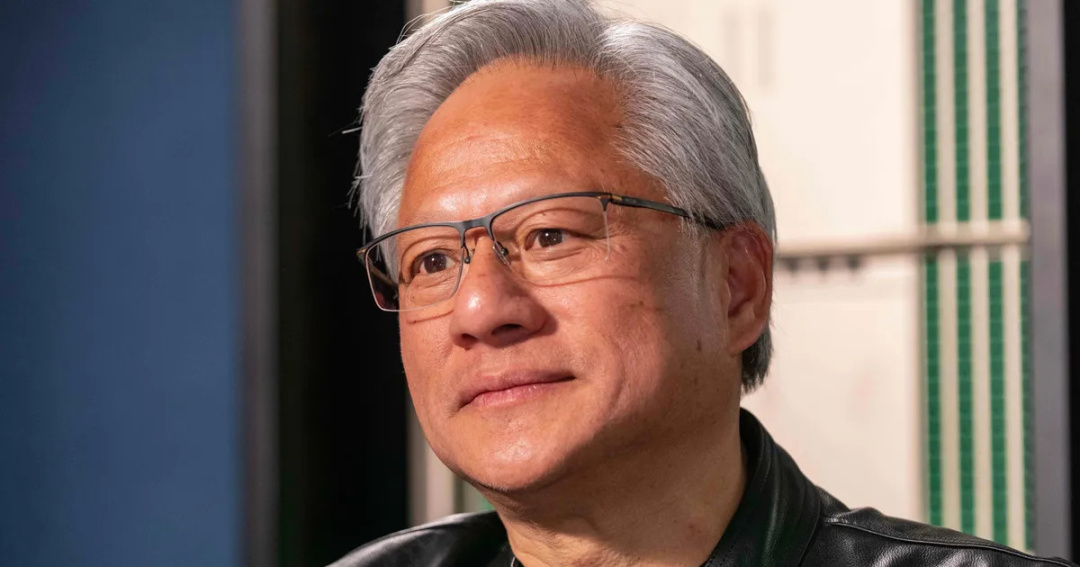
The Rise of Jensen Huang: Nvidia's Journey in AI Technology
Jensen Huang, the co-founder of Nvidia, has become a central figure in the artificial intelligence landscape, shaping the technology that drives modern communication and computing. His journey began in Taiwan, where he was sent to the United States at the age of nine. After a challenging upbringing that included time in a religious reform school, Huang eventually reunited with his family and pursued engineering at Oregon State University and Stanford. His career took off when he founded Nvidia in 1993, aiming to cater to the needs of gamers seeking better graphics.
Nvidia's early days were marked by struggles, including a near-bankruptcy situation after the launch of their first product, the NV1. However, a crucial partnership with Sega allowed Huang to pivot the company towards success. By focusing on graphics processing units (GPUs) rather than traditional CPUs, Nvidia carved out a new industry that would later become integral to AI development. The introduction of the GeForce 256 in 1999 marked a significant turning point, as it allowed for parallel processing, which is essential for rendering complex graphics.
Huang's foresight in recognizing the potential of GPUs beyond gaming led to the development of CUDA in 2006. This software platform enabled programmers to harness the power of GPUs for a variety of tasks, including scientific calculations and AI training. The shift towards AI was gradual, but it gained momentum with the advent of deep learning technologies, particularly after the success of AlexNet in 2012, which utilized Nvidia's GPUs.
Clearance Granted
As AI technology advanced, Nvidia's chips became indispensable for developers and researchers. The company's valuation skyrocketed, reaching $5 trillion by late 2025, making it the first publicly traded company to achieve such a milestone. This success not only transformed Nvidia but also enriched its employees, with many becoming millionaires as a result of the company's growth.
However, Huang's personal life has also come under scrutiny, raising questions about the intersection of his professional and personal decisions. As Nvidia continues to lead in the AI race, the implications of Huang's choices may have broader consequences for the company and its future direction. The narrative of Huang's rise is not just about technological innovation but also about the complexities of leadership in a rapidly evolving industry.