Texas Governor-Elect Gina Hinojosa Plans to Reverse CAIR's Terrorist Designation
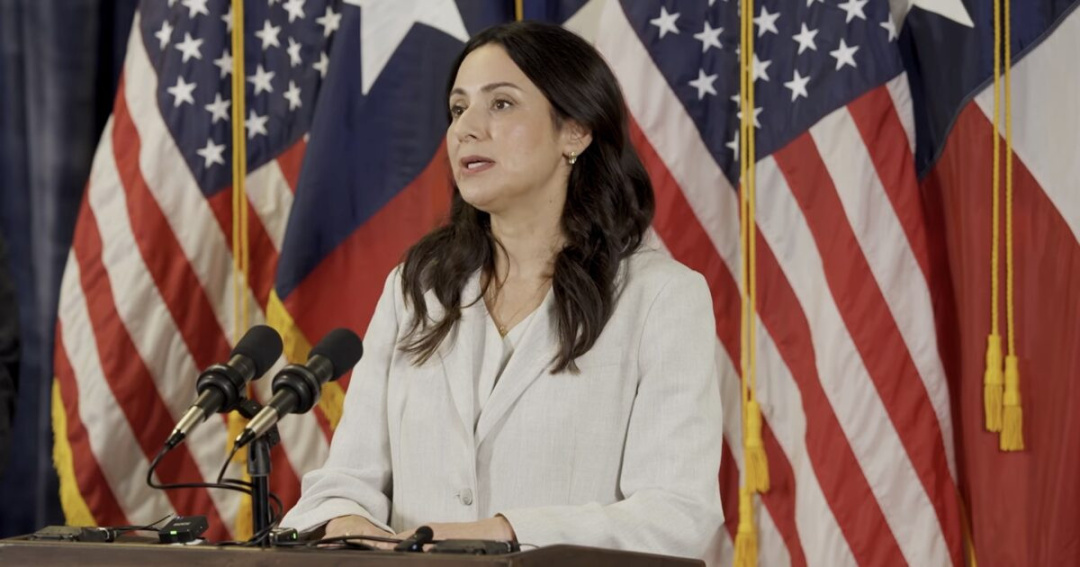
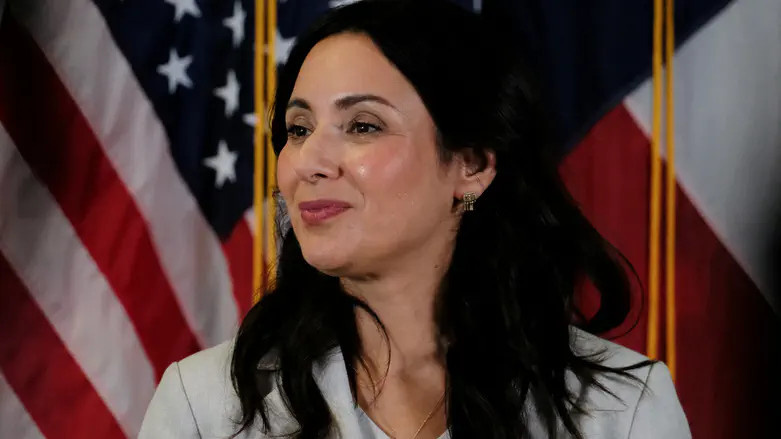
Texas Governor-elect Gina Hinojosa has made it clear that she intends to reverse outgoing Governor Greg Abbott's designation of the Council on American-Islamic Relations (CAIR) as a terrorist organization under Texas law. In a recent interview with The Washington Post, Hinojosa confirmed her plans to remove this controversial designation.
On November 18, 2025, Governor Abbott issued a proclamation that classified both CAIR and the Muslim Brotherhood as foreign terrorist organizations and transnational criminal organizations. This designation enabled law enforcement to implement stricter measures against these groups and imposed limitations on their property acquisition in Texas. Abbott stated at the time that "these radical extremists are not welcome in our state," referencing the Holy Land Foundation terrorism-financing case, where CAIR was identified as an unindicted co-conspirator.
The implications of Abbott's designation were significant, as it authorized enhanced law enforcement actions against CAIR and its affiliates. Texas Attorney General Ken Paxton further escalated the situation by filing a lawsuit aimed at preventing CAIR and the Muslim Brotherhood from operating within the state.
Clearance Granted
Following the recent elections, CAIR's political action committee endorsed Hinojosa as their preferred candidate, indicating a close relationship between the organization and the incoming governor. CAIR and its Texas chapter congratulated Hinojosa and Democrat Senator-elect James Talarico on their victories, signaling a potential shift in policy direction in Texas.
Hinojosa's stance on CAIR is not new; she previously voted against Senate Bill 1900 in 2023, which aimed to expand Texas' legal tools for combating foreign terrorist organizations. CAIR has also challenged Abbott's proclamation in federal court, arguing that it infringes on their constitutional rights. As Hinojosa prepares to take office, her proposed policy changes could significantly alter the landscape of how such organizations are treated under Texas law.